
Vandaag of morgen in huis

Kwaliteit gegarandeerd

Welkomstaanbiedingen ontgrendelen: GRATIS bezorging | Tot 80% korting | Gratis 30 dagen JoyPlus-proefperiode
Download de app
Coconut water is available as pure coconut water, coconut drink, coconut juice and value packs. On the label, many products look similar, but the ingredients and how you use them can differ significantly. If you only look out for words like “natural”, “tropical” or “with electrolytes”, you can end up paying for a product that doesn’t suit your needs.
With this practical guide, you’ll know what to check: the ingredients list, nutritional values, packaging and contents. That way, you’ll find it easier to choose coconut water without added sugar, a handy portion pack, or coconut water in bulk for a family, office or professional kitchen.
A product name may mention coconut water while also containing cane sugar, fructose, water, flavouring or stabilisers. According to the product information, Bamboo Tree Coconut Water contains 98.5% coconut water and cane sugar. Vita Coco is described as containing 99% coconut water and a little fructose.
If you want 100% coconut water, check that the ingredients list only says “coconut water”. Grace 100% Coconut Water and FOCO Coconut Water 12x330 ml are offered as 100% coconut water according to the product information. A nutritional value of around 21 to 22 kcal per 100 ml doesn’t on its own mean no sugar has been added: coconut water naturally contains sugars.
Coconut water with electrolytes is often promoted for sport and recovery. Potassium, sodium, calcium, magnesium and phosphorus can occur naturally in coconut water. According to the product description of FOCO, the drink contains five named electrolytes. That is a product specification, not a guarantee of a medical or sports-related effect.
So compare the label per 100 ml. Pay particular attention to salt, carbohydrates and sugars. For most everyday situations, the taste and composition matter more than a general claim on the front.
A 1-litre carton may seem practical, but once opened, coconut water must be kept refrigerated and used within the period stated on the pack. For one person, 330 ml packs of coconut water can be more convenient. For a family, office or catering venue, coconut water in bulk can actually mean less waste and fewer individual orders.
When looking at a value pack, check the total volume, the number of individual cartons and the shelf life. Work out the price per litre rather than just looking at the price of the box.
First, make a distinction between these types:
A concrete difference: Grace 1 litre states 0 grams of fat, 5 grams of carbohydrates and 5 grams of sugars per 100 ml. Bamboo Tree states 5.6 grams of carbohydrates and 4.5 to 5.6 grams of sugars per 100 ml, along with cane sugar in the ingredients list. According to the product information, FOCO Coconut Juice contains sugar and has 8.5 grams of sugars per 100 ml.
Choose the size based on when you’ll use it:
Unopened UHT or aseptically packaged products can generally be stored outside the fridge according to the product information. Once opened: seal, refrigerate and follow the period on the pack. This period varies by product; FOCO, for example, states around three days, while IF Thailand mentions 48 hours.
None of the coconut water products mentioned list any of the 14 major EU allergens. However, always check the current label, especially with blended drinks and coconut milk. Coconut water and coconut milk are naturally dairy-free, but the recipe and production information on the pack remain the deciding factor.
For vegans, a product without dairy ingredients is relevant. Aroy-D Original Coconut Milk and the Coconut Milk Tetra Pak are described as suitable for vegan applications. These products are intended for curries, soups, desserts and smoothies, not as a light thirst-quencher: the Tetra Pak variant contains 18% fat according to the product information.
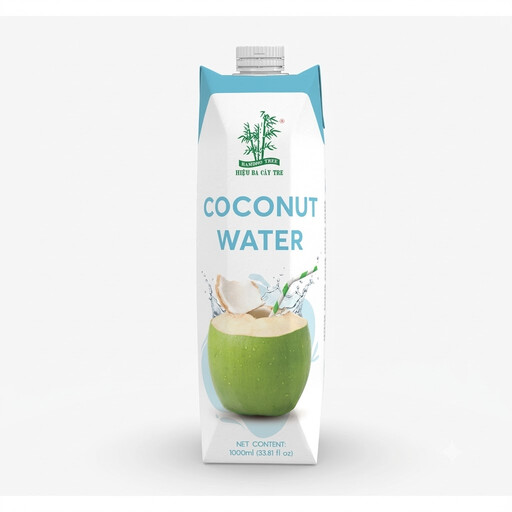
Why this fits the profile: A 1-litre carton is an easy way to try coconut drink at home and use it in smoothies or mocktails.
The ingredients are clearly stated: 98.5% coconut water and cane sugar. This means the sweeter taste is obvious from the start.
1 litre content, gluten-free according to the product information and free from artificial colours.
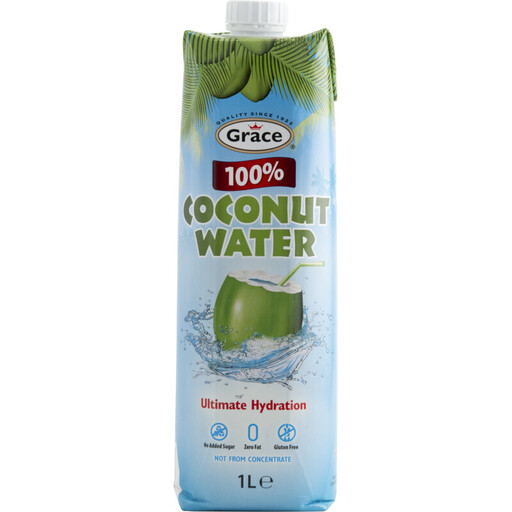
Why this fits the profile: Ideal for those who value a short ingredients list and a neutral base for everyday use.
The product information lists only coconut water and no added sugars or pulp.
100% coconut water, 22 kcal per 100 ml and 0 grams of fat according to the stated nutritional values.
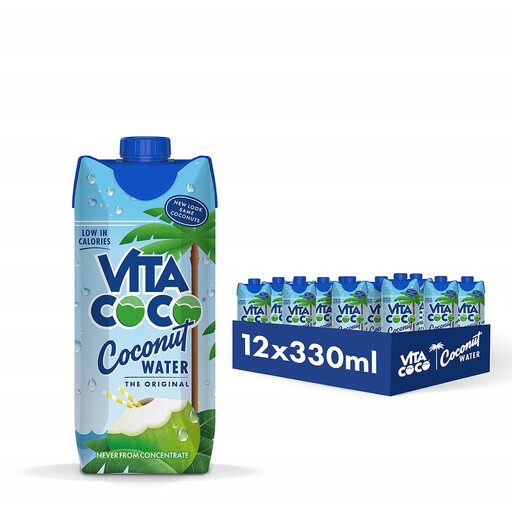
Why this fits the profile: 330 ml portions are practical for sports bags, lunch fridges, offices and families who don’t want to open a litre carton each time.
The portion pack limits the storage issue after opening. The description states 99% coconut water and a little fructose, so the composition is verifiable.
12 packs of 330 ml, according to the product description with naturally occurring electrolytes and vitamin C.
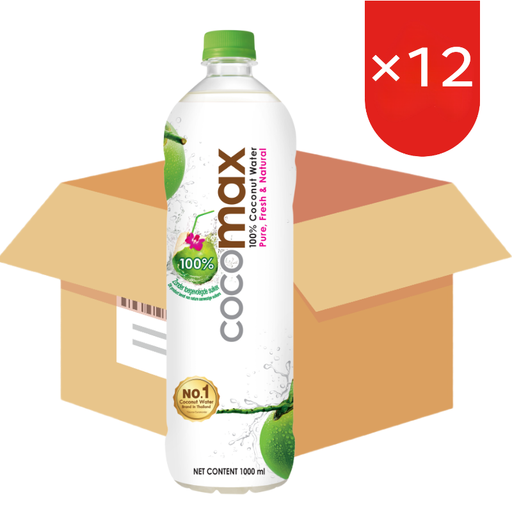
Why this fits the profile: A box of twelve 1-litre cartons suits locations where multiple portions are served or used daily.
The listing states 100% coconut water and no added sugar. Check the current packaging for the final ingredients information.
12 × 1 litre, according to the product information suitable for drinking chilled, mixing or using in smoothies.
We’ve put together a full, up-to-date list of products that fully meet these strict selection criteria and comply with current European safety regulations.
No. Coconut water is the liquid from the coconut and typically contains very little fat. Coconut milk is made from coconut flesh or coconut extract and has a much creamier texture. According to the product information, Aroy-D Original Coconut Milk contains 70% coconut extract and 19 grams of fat per 100 grams. So use coconut milk mainly for curries, sauces and desserts.
Store opened coconut water in the fridge and follow the period on the pack. This can vary by brand. In the product information provided, for example, 48 hours, 72 hours or “within the stated period” are mentioned. Seal the pack well and do not use it if the packaging is damaged or the drink smells or tastes unusual.
No. Coconut water naturally contains sugars. “No added sugar” means that no extra sugar has been added according to the ingredients list. So check both the ingredients and the nutritional value per 100 ml. Grace, for example, states 5 grams of naturally occurring sugars per 100 ml, despite having no added sugar.
