
Vandaag of morgen in huis

Kwaliteit gegarandeerd

Welkomstaanbiedingen ontgrendelen: GRATIS bezorging | Tot 80% korting | Gratis 30 dagen JoyPlus-proefperiode
Download de app
Buying coconut water might seem straightforward, until you start comparing labels. One pack says 100% coconut water, while another contains coconut water with added sugar or fructose. Terms like “natural hydration” and “rich in electrolytes” only really mean something once you’ve checked the ingredients list and nutritional information.
For athletes, families, offices and hospitality businesses, the size, shelf life and price per litre also matter. Below, you’ll find out what to look for and which packs suit different situations.
Coconut water naturally contains sugars. That’s different from a product that has had cane sugar, fructose or flavourings added. Always check the ingredients list.
With coconut water with no added sugar, you’ll usually see just “coconut water” listed. If cane sugar, fructose or flavourings appear on the label, it’s not purely coconut water. A higher sugar content per 100 ml can also be the result of added ingredients.
A coconut water multipack of 12 x 1 litre might seem practical, but it won’t suit every household. Once opened, the pack needs to be kept in the fridge and used within the time stated on the packaging. For one person, 330 ml or 500 ml packs can help reduce waste.
So compare the price per litre, but also think about how much you’ll actually drink. For an office, sports club or catering business, buying coconut water in bulk can make sense. For occasional use, a smaller pack is more flexible.
Thai coconut water is often described as naturally sweet, while Vietnamese coconut water can have a different flavour profile. That doesn’t mean one origin is right for everyone. The taste can also differ due to processing, filtration and any added ingredients.
Also look out for words like “roasted”. FOCO Roasted Coconut Water contains 99.2% coconut water according to the product information, along with sugar and flavouring. This is a flavoured option, not a product that is purely 100% coconut water.
First, choose between three types:
Then compare the nutritional information per 100 ml. Products in the range vary from around 2.2 to 5.5 grams of sugar per 100 ml, for example. Those sugars can be naturally occurring, but some varieties also have sweeteners or sugar added.
Coconut water is an electrolyte drink because it naturally contains minerals such as potassium, sodium, magnesium and calcium. The amounts vary by brand. Vita Coco, for example, lists 196 mg of potassium and 6 mg of vitamin C per 100 ml. KARA lists 180 mg of potassium per 100 ml.
This makes coconut water a possible hydrating drink for daily use or around exercise. It doesn’t automatically replace a full sports drink or a medically prescribed solution. For intense activity, hot weather or significant fluid loss, your personal circumstances still matter.
A 1-litre pack is handy for sharing, using in smoothies or keeping in an office fridge. Smaller packs are great for on the go and make portioning easier.
Check before you buy:
Unopened UHT packs can usually be stored outside the fridge according to the product information. After opening, instructions vary by brand: some products say 48 hours, others say a maximum of 2, 3 or 7 days. Always follow the label on the pack you receive.
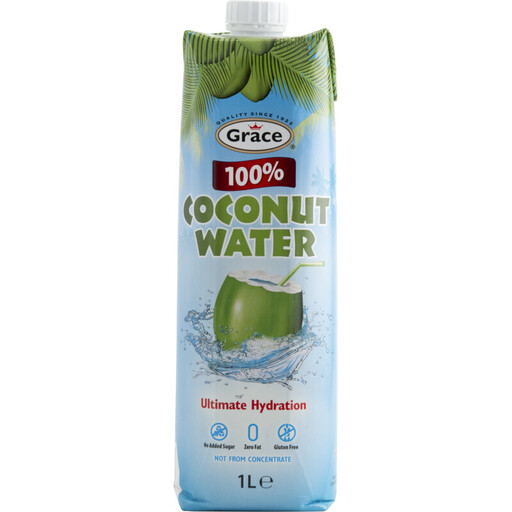
Why this suits the profile: A single 1-litre pack is a straightforward way to try a flavour you like, without committing to a large box straight away.
The ingredients list shows coconut water with no added sugar. Do check the actual packaging before purchase.
1 litre content, 22 kcal and 5 grams of sugar per 100 grams according to the product information.
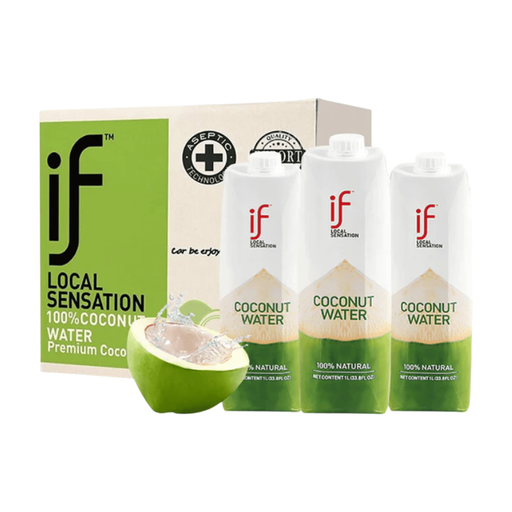
Why this suits the profile: This box is ideal for households or offices that regularly drink Thai coconut water and have space to store 12 litres.
According to the product information, it is 100% coconut water with no added sugars, colourings or preservatives.
1 litre per pack, ingredients: coconut water (100%), and a nutritional value of 21 kcal per 100 ml according to the product description.
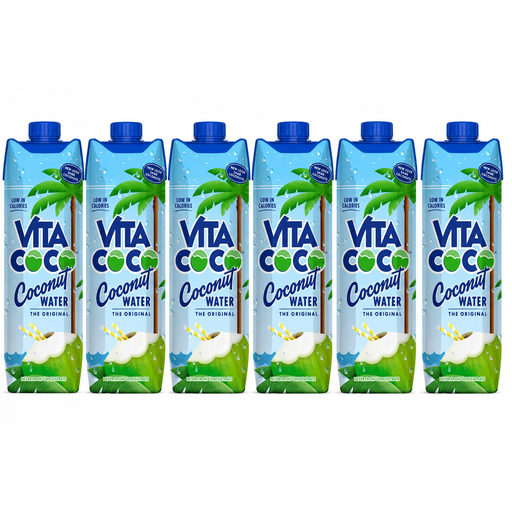
Why this suits the profile: A pack of 6 x 1 litre is well suited to sports clubs, offices and families who go through several packs a week.
The product information lists coconut water and vitamin C as ingredients; no added sugar is mentioned.
196 mg of potassium and 6 mg of vitamin C per 100 ml according to the stated nutritional values; 13 kcal per 100 ml.
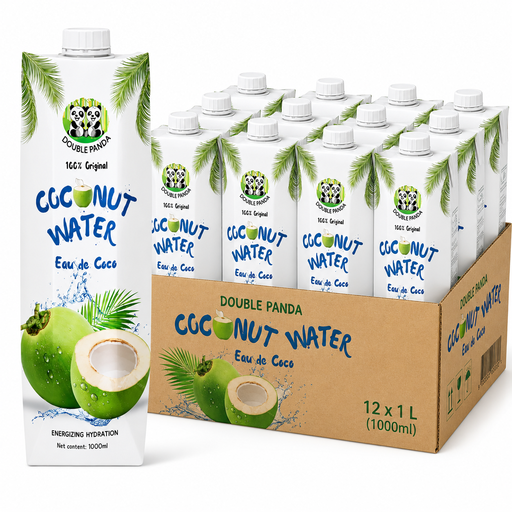
Why this suits the profile: The box of 12 x 1 litre packs is practical for serving, mixing drinks, smoothies and recipes in larger quantities.
The product information clearly states that cane sugar has been added. This means you can distinguish it from 100% coconut water with no added sugar.
12 x 1 litre, from Vietnam, with 5.6 grams of carbohydrates and 4.5 grams of sugars per 100 ml according to the product information.
We’ve put together a full, up-to-date list of products that fully meet these strict selection criteria and comply with current European safety regulations.
Coconut water naturally contains electrolytes, including potassium and smaller amounts of sodium and magnesium. That’s why some athletes choose it as a drink for light or moderate exercise. For prolonged, intense activity, the composition may differ from a specially formulated sports drink. So compare the label and choose based on the duration and intensity of your activity.
This varies by product. The product information mentions times ranging from 48 hours, 2 days, 3 days and up to a maximum of 7 days. Always store an opened pack in the fridge, seal it well and follow the instructions on the packaging.
No. Coconut water naturally contains sugar. “No added sugar” means that no extra sugar has been added. For a proper comparison, look at both the ingredients list and the number of grams of sugar per 100 ml.
