
Vandaag of morgen in huis

Kwaliteit gegarandeerd

Welkomstaanbiedingen ontgrendelen: GRATIS bezorging | Tot 80% korting | Gratis 30 dagen JoyPlus-proefperiode
Download de app
Coconut water is popular as a refreshing drink, as a smoothie base or as an alternative to fizzy drinks. Yet many packs look more alike than they really are. A bottle or carton featuring tropical imagery may suggest 100% coconut water, while the ingredients list also includes cane sugar, fructose or other additives.
If you want to buy coconut water online, it is therefore worth looking beyond the brand, pack size or a coconut water deal. The key differences lie in the ingredients, nutritional values, packaging and shelf life after opening.
Words such as natural, pure and refreshing reveal little about the ingredients on their own. Always check the ingredients list. Products containing coconut water with no added sugar generally list only coconut water. Other varieties contain ingredients such as cane sugar or fructose.
You can see a clear difference between:
Also check the current packaging before buying. Product formulations and labels can change.
Coconut water with electrolytes naturally contains minerals such as potassium and sometimes sodium, magnesium or calcium. The amount varies by brand and recipe. Check the nutrition table rather than relying solely on the front of the pack.
According to Vita Coco’s product description, the product contains naturally occurring electrolytes, including potassium. Chaokoh’s product information lists, among other values per 100 ml, 149 mg of potassium, 22.8 mg of sodium and 6.49 mg of magnesium. These are verifiable nutritional figures, but they do not automatically make a product suitable for every individual situation.
Coconut water after exercise can be a practical choice thanks to its refreshing taste and fluid content. It is not a substitute for personalised nutritional or medical advice.
A large pack of coconut water can be convenient for families, offices, hospitality businesses and catering. However, you should calculate the price per litre. A box of twelve 330 ml cartons may work out differently per litre from a box of twelve 1-litre cartons.
Also consider the space available in your fridge. A 1-litre carton of coconut water is practical for sharing or using in recipes, but it must be refrigerated after opening. The stated period varies by product:
Always follow the instructions on the packaging you receive.
If you are looking for natural coconut water, check whether the label lists only “coconut water” or “coconut water” as the ingredient. “No added sugar” does not mean that the product is sugar-free: coconut water naturally contains sugars.
In the nutritional information supplied, the carbohydrate content of several 100% varieties is around 5 to 5.3 grams per 100 ml. Grace lists 5 grams of carbohydrate and 5 grams of sugars per 100 ml. Cocomax lists 5.3 grams of carbohydrate, of which 4.5 grams are sugars, per 100 ml.
So compare both the ingredients list and the nutrition table.
Choose the pack size according to how you intend to use it:
Individual portions help to reduce waste. A 1-litre carton may offer better value when you use it on the same day.
Most of the products mentioned can be stored unopened outside the fridge, in a cool, dry place away from direct sunlight. They must be refrigerated after opening. Shake the carton gently if natural separation or slight cloudiness is visible; Chaokoh states that this can occur.
For vegan coconut water, varieties containing only coconut water are generally suitable based on the listed ingredients. If in doubt, always check the current label and any allergen information. Chaokoh explicitly states that it is suitable for vegetarians and vegans. Iam Superjuice also states that its 330 ml pack is 100% vegan.
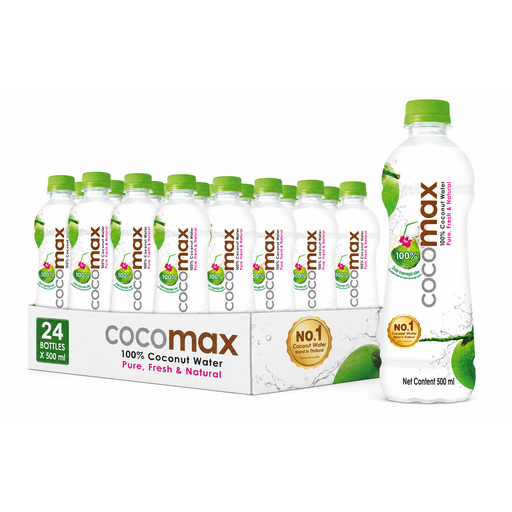
Why it suits this profile: The 500 ml pack is a manageable size for individual use, while a box of twelve is convenient for stocking up.
The product description states that it contains 100% coconut water with no added sugar. Nutritional values are given per 100 ml.
12 x 500 ml, 21 kcal per 100 ml and 0 g fat according to the product information.
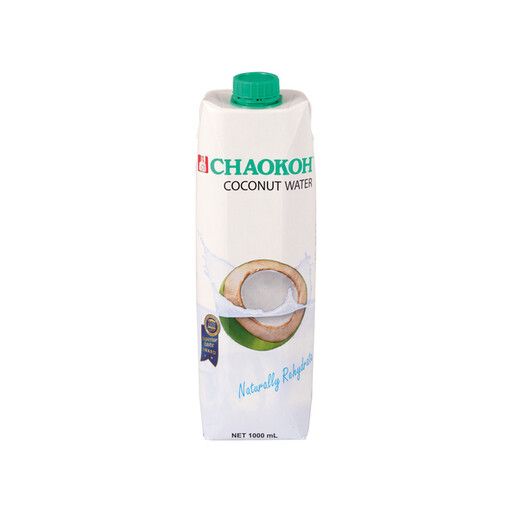
Why it suits this profile: This 1-litre carton is ideal for shoppers who pay close attention to ingredients, mineral information and a longer unopened shelf life.
The ingredients list states 100% coconut water, with no added sugars, preservatives or artificial additives.
1 litre per carton, 20 kcal per 100 ml and listed values for potassium, sodium, magnesium, calcium and phosphorus.
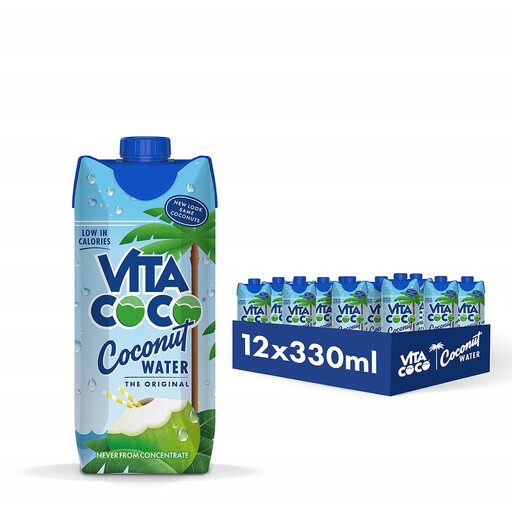
Why it suits this profile: The individual 330 ml cartons are easy to take to work, on the go or to the gym.
The product information states 99% coconut water and a small amount of fructose. This makes the ingredients clearer than a general claim such as “natural”.
12 servings of 330 ml, 18 kcal per serving according to the product description and a source of vitamin C.
We have put together a complete, up-to-date list of products that fully meet these strict selection criteria and the applicable European safety regulations.
If you use coconut water in smoothies or cocktails, a 1-litre carton is usually more convenient than individual portions. A box containing several cartons may be worthwhile for a family, but first check the total price per litre and the storage space available.
Small cartons are easy for sportspeople to take with them. However, pay attention to the closure and the storage period after opening. If you are mainly looking for coconut water with no added sugar, use the ingredients list as your first filter. Vegans can look for an explicit vegan statement or a short ingredients list with no animal-derived ingredients.
A product such as IF 100% Coconut Water 1.0L lists only coconut water as an ingredient and states 21 kcal per 100 ml. Grace 100% Coconut Water – 8x1 L is particularly practical as a stock pack. For hospitality or catering, boxes such as Cocomax 12x1 L or IF Thailand Premium 1L x 12 are sensible formats when several 1-litre cartons are needed.
No. Coconut water is the liquid from young coconuts. Coconut milk is made from coconut flesh and water and usually contains more fat. Check the product name and ingredients list when buying.
This varies by brand. Many products recommend consuming them within 2 to 3 days of opening and keeping them refrigerated. Chaokoh states a maximum of 7 days, while IF states 48 hours. The packaging of the product you receive takes precedence.
Coconut water can be enjoyed as a refreshing drink after exercise. According to product information from various brands, it naturally contains electrolytes such as potassium. The exact composition varies, so compare the nutrition table and choose the pack size that suits how you intend to use it.
