
Vandaag of morgen in huis

Kwaliteit gegarandeerd

Welkomstaanbiedingen ontgrendelen: GRATIS bezorging | Tot 80% korting | Gratis 30 dagen JoyPlus-proefperiode
Download de app
If you’re looking to buy plant-based drinks, you’ll soon find a wide range to choose from: soya drinks, oat milk, oat drinks, coconut water and tropical fruit drinks. But these products can vary considerably in taste, nutritional values, allergens, packaging and when they’re best enjoyed. A sweet coconut drink, for example, isn’t necessarily the same as coconut water, and an oat drink isn’t always gluten-free.
This practical guide helps you compare products using information you can check for yourself. Whether you’re looking for a drink for breakfast, on the go, at home or to buy in larger quantities, you can find the right option without relying on marketing claims alone.
Plant-based milk and other vegan drinks don’t contain dairy, but they may contain allergens. For example, B+ Oat Drink lists gluten as an allergen. So if you’re looking for lactose-free drinks and also need to avoid gluten, it’s a good idea to check both the ingredients list and the allergen information.
According to the product description, Alpro Soyadrink Original is lactose-free, gluten-free and suitable for vegans. However, it does contain soya, which is a major allergen.
Coconut water usually consists mainly of coconut water. Coconut juice or a coconut drink, on the other hand, may contain coconut extract, sugar, pulp, stabilisers or flavourings. According to the product information, FOCO Coconut Juice contains water, coconut extract, sugar, stabiliser and flavouring. This gives it a creamier, sweeter taste than many people expect from coconut water.
So always check:
A single 1-litre carton is handy for everyday use, while a case of 24 small or medium-sized packs may be a good option for families, offices or catering businesses. Always compare the price per litre, not just the price per case. Also consider how much storage space you have and check the use-by date.
Start with the ingredients list. For soya drinks, check the soya content and whether any sugar has been added. For oat drinks, check whether they contain gluten. For coconut products, look for the difference between coconut water, coconut extract, pulp and fruit juice.
Claims such as ‘high in protein’, ‘source of calcium’ or ‘with electrolytes’ shouldn’t be considered separately from the label. According to the brands’ own product information, these claims may apply, but the exact composition can vary between products. So check the packaging before drinking.
Comparing products per 100 ml makes it easier to compare different pack sizes. According to the product information provided:
These figures are product information, not health advice. A sweeter drink may suit your taste, while if you’re looking for a more neutral option, you may prefer an unsweetened or less sweet variety.
1-litre UHT cartons are handy to keep in the cupboard. Once opened, they should be refrigerated and used within the stated period, according to the product information. Smaller packs are suitable for taking with you, but may work out more expensive per litre.
For cases such as 24 x 520 ml or 12 x 1 litre, it’s worth checking in advance that you have enough space and will use the drinks in time. When your order arrives, also check the seal and the use-by information on the packaging.
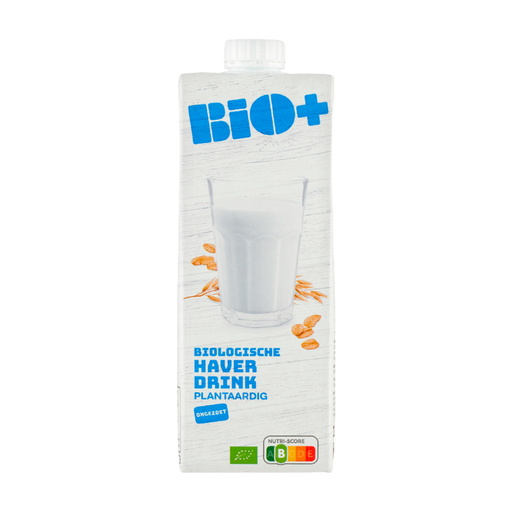
Why it suits this profile: This oat drink is made for everyday use and has a mild, creamy taste. The 1-litre carton is a good fit for breakfast, coffee or smoothies.
The product information clearly states that it contains gluten. This means you can make an informed choice about allergens, rather than relying on the word ‘plant-based’ alone.
1 litre per pack; 42 kcal and 4.5 g of sugars per 100 ml according to the product information.
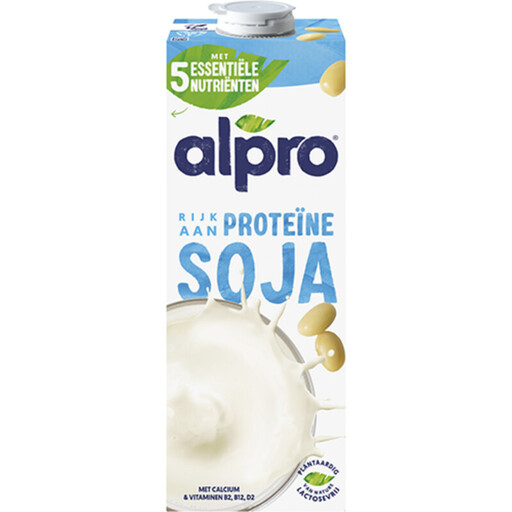
Why it suits this profile: Its mild soya flavour works well with cereal, in smoothies or enjoyed on its own. According to the product description, this Alpro soya drink is vegan, lactose-free and gluten-free.
The product information lists both the nutritional values and the presence of soya. This helps people with allergies or specific dietary requirements make a more informed choice.
3 g of protein and 2.5 g of sugars per 100 ml according to the label provided; 1-litre UHT carton.
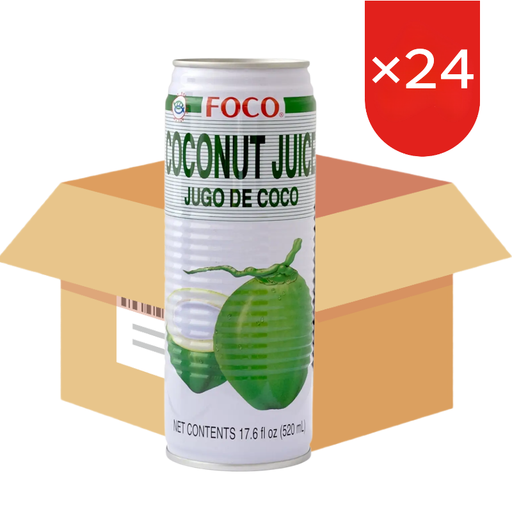
Why it suits this profile: A case of 24 bottles is handy for families, offices, events or anyone who enjoys Asian and tropical drinks.
The product information identifies this as coconut juice containing coconut extract, sugar and flavouring. So you’re choosing a sweeter tropical drink knowingly, rather than mistaking it for a pure coconut water.
24 packs of 520 ml; according to the product information, free from the 14 major EU allergens.
We’ve put together a full, up-to-date list of products that meet these strict selection criteria and the applicable European safety regulations.
A mild soya drink or oat drink often works well in coffee, with cereal and in smoothies. With oat drinks, check whether they contain gluten. To make a more informed choice, compare the flavour description, ingredients and nutritional values per 100 ml.
Drinks that don’t contain dairy are generally lactose-free, but always check the label. The product descriptions for the Alpro varieties mentioned state that they’re lactose-free, while allergen information can vary by product. ‘Plant-based’ also doesn’t automatically tell you whether a product contains gluten or soya.
Keep an opened pack refrigerated and use it within the period stated on the packaging. According to the product information, unopened UHT drinks can be stored in a cool place, out of direct sunlight. Instructions may vary for coconut and fruit drinks, so always check the label.
