
Vandaag of morgen in huis

Kwaliteit gegarandeerd

Welkomstaanbiedingen ontgrendelen: GRATIS bezorging | Tot 80% korting | Gratis 30 dagen JoyPlus-proefperiode
Download de app
Coconut water is popular as a refreshing tropical drink, an alternative to fizzy drinks and a choice for after exercise. Yet packaging can sometimes look more alike than the ingredient lists. A bottle with a palm tree on the label is not automatically 100% coconut water. Terms such as “natural hydration” and “with electrolytes” also call for a closer look at the product information.
With this buying guide, you can quickly see which specifications matter and which option suits your household, taste and intended use.
Check the ingredients. Pure coconut water, for example, lists only coconut water. Other products contain water, sugar, fructose, coconut extract or coconut flesh. That may be perfectly suitable for a sweeter tropical drink, but it is different from coconut water with no added sugar.
A clear comparison:
So do not just look at the front of the packaging. The ingredients list and nutrition table provide a more reliable picture.
Coconut water naturally contains sugars. A product with no added sugar can therefore still contain several grams of sugar per 100 ml. Grace, for example, lists 5 grams of sugar per 100 ml, while the ingredients list contains only coconut water.
Compare both sets of information:
This helps prevent “naturally sweet” from being confused with “no sugar added” or “sugar-free”.
A coconut water multipack containing twelve 1-litre cartons is useful for a family, office or stock cupboard, but it takes up a lot of space. Opened coconut water must also be kept chilled and consumed within the period stated on the packaging. For one person, 330 ml or 500 ml cartons may sometimes be more convenient.
Also check the shelf life before opening. Some varieties can be stored outside the fridge while unopened; always check the storage instructions on the label.
If you are looking for a simple composition, you can filter for 100% coconut water and coconut water with no added sugar. “100%” refers to the composition stated by the brand; it does not mean that the drink contains no naturally occurring sugars.
For a fruitier drinking experience, variants with pulp may be worth considering. Sunlee Coconut Juice contains young coconut flesh, giving it a different texture from clear coconut water. It is more of a tropical snack drink than a neutral thirst quencher.
Choose the size according to how you intend to use it:
A small carton reduces the chance of having to throw away an opened pack. A large carton may work out cheaper per litre, but check the total quantity and the storage space available.
Coconut water naturally contains minerals such as potassium and smaller amounts of sodium, magnesium or calcium, depending on the product. The exact values vary by brand. KARA, for example, lists 180 mg of potassium and 0.02 grams of sodium per 100 ml. Chaokoh lists 149 mg of potassium per 100 ml.
Brands may describe their own product features, but do not treat claims about effects as medical facts. According to Cocomax’s product description, the drink is intended for use after exercise and naturally contains electrolytes. This makes it a possible choice for a refreshing drink, but it does not replace personalised nutritional or medical advice.
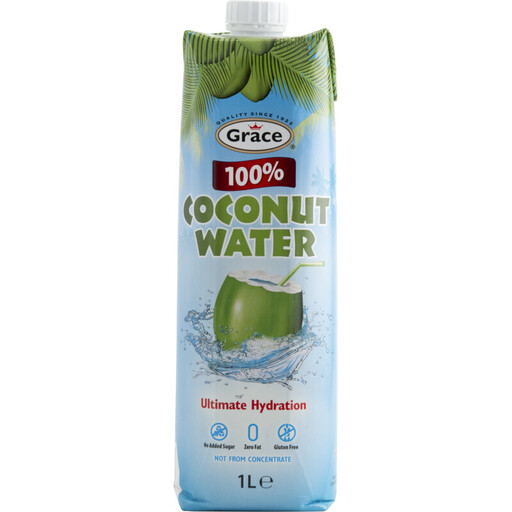
Why it suits this profile: A straightforward 1-litre carton with a short ingredients list, ideal for trying coconut water at home.
According to the product information, the drink consists of coconut water and contains no added sugars or pulp.
1 litre per carton, 22 kcal and 5 grams of sugar per 100 ml according to the stated nutritional values.
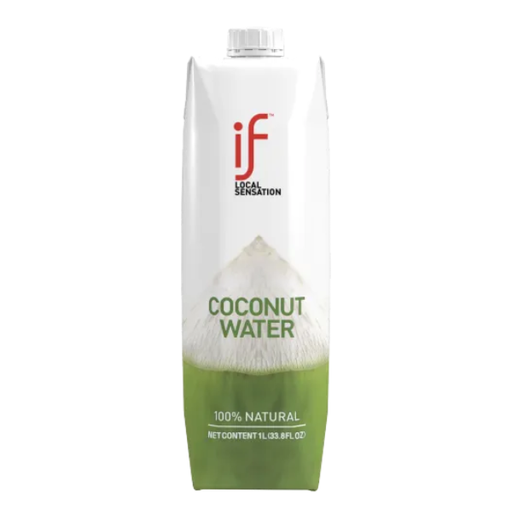
Why it suits this profile: A good match for lovers of Thai coconut and a distinctive, naturally sweet flavour.
According to the product description, the ingredients list states coconut water (100%), with no added sugar, colourings or preservatives.
1 litre, 21 kcal and 0.07 grams of salt per 100 ml; according to the description, made from young Thai coconuts.
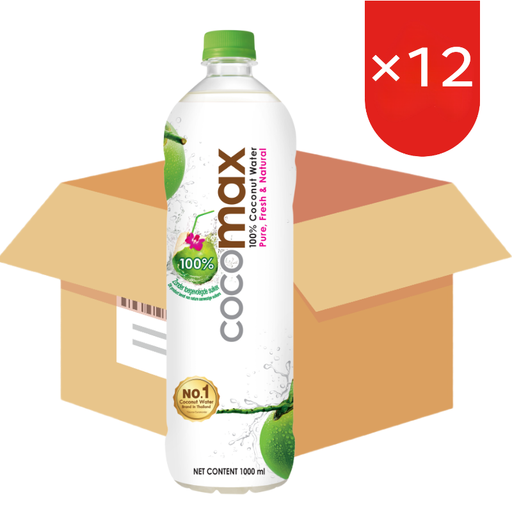
Why it suits this profile: A stock-up option for families, sports facilities, offices or anyone who regularly drinks coconut water after exercise.
The pack contains 12 individual 1-litre cartons. This means you can store the unopened cartons and open them as needed.
100% coconut water, no added sugar and, according to the product description, suitable for drinking, smoothies and mixed drinks.
We have compiled a complete, up-to-date list of products that fully meet these strict selection criteria and the applicable European safety regulations.
Most cartons of coconut water can be stored outside the fridge while unopened, provided they are kept in a cool, dry place out of direct sunlight. Once opened, the product should be refrigerated. The recommended period varies by brand: according to the product information, Grace states two days, IF 48 hours and Vita Coco 72 hours.
Serve coconut water chilled. Gently shake a variety containing pulp before opening. A neutral 1-litre variety also works well in smoothies; a sweeter coconut drink with cane sugar or coconut flesh is better suited to a tropical drink or dessert.
No. Coconut water can contain naturally occurring sugars. “No added sugar” means that, according to the ingredients list, no extra sugar or sweetener has been added. Check the nutritional values per 100 ml to find the actual sugar content.
Coconut water naturally contains certain electrolytes, but the quantities vary by product. According to brands’ own product information, including Cocomax, KARA and FOCO, it can be used after exercise. Pay particular attention to potassium, sodium and the total serving size, and also choose ordinary food and water appropriate to your activity.
This depends on the brand and is stated on the packaging. Many products must be refrigerated and consumed within two to seven days. Seal the carton securely and always check the current instructions on the label.
