
Vandaag of morgen in huis

Kwaliteit gegarandeerd

Welkomstaanbiedingen ontgrendelen: GRATIS bezorging | Tot 80% korting | Gratis 30 dagen JoyPlus-proefperiode
Download de app
A blackcurrant drink might seem simple to pick, but the differences between bottles, syrups, sparkling water and sports powders are significant. One variety contains sugar and blackcurrant juice, while another is mostly sparkling water with flavouring. The packaging alone doesn't always tell you how much you're actually getting.
If you only look at the front of a bottle, you could end up buying a product that doesn't suit your daily use, the flavour profile you're after, or your nutritional goals. With these practical checks, you can compare blackcurrant soft drinks, blackcurrant cordial, syrup and sports nutrition based on verifiable information.
A blackcurrant flavour can come from blackcurrant juice, juice concentrate, natural flavouring or a combination. So always check the ingredients list. For example, g'woon Blackcurrant Soda states it contains 8% blackcurrant juice concentrate. With Spa Touch Sparkling Blackcurrant, the product information says the drink is 99.9% sparkling mineral water and natural blackcurrant flavouring.
These are two very different drinking experiences:
A sugar-free blackcurrant drink can still contain sweeteners. According to the product description, Spa Touch contains 0 kcal, no sugar, no sweeteners and no other additives, whereas DubbelFrisss Apple Blackcurrant lists 1 kcal per 100 ml and is sweetened with sucralose. So always compare the nutritional information table and ingredients, not just the marketing claims.
Also pay attention to portion size. A bottle with 29 kcal per 100 ml works out at around 145 kcal for a 500 ml bottle. With a 1.5 litre pack, that same value adds up to roughly 435 kcal if you drink the whole bottle.
A 500 ml blackcurrant drink is handy for on the go, but a blackcurrant multipack with six bottles can be better value for home use. A 1.5 litre bottle of blackcurrant drink is better suited to a family or guests, but takes up more space and loses its fizz more quickly once opened.
With syrup, you need to factor in the recommended dilution. Karvan Cevitam advises mixing one part syrup with nine parts water, and says one bottle can make up to around six litres of drink. So the final price per glass depends on how much syrup you actually use.
Look at the values per 100 ml and the ingredients list. Key differences include:
If you want less sugar, also look out for terms like sucralose, acesulfame-K and steviol glycosides. A sugar-free blackcurrant drink isn't automatically free from sweeteners.
Choose the volume based on how you'll use it:
For drinks with nata de coco, such as KATO Blackcurrant Juice with Nata de Coco and Mogu Mogu Blackcurrant, the texture is a key buying factor. KATO states 15% nata de coco; Mogu Mogu states 25%. This isn't your usual blackcurrant squash, but a drink with pieces and a different way of drinking.
Not every product with a blackcurrant flavour is a soft drink. Blackcurrant juice or blackcurrant syrup is used differently from blackcurrant sparkling water. Athletes, meanwhile, might look for blackcurrant-flavoured powders:
These supplements are intended for adults and are not a substitute for a varied diet. Always check the label, allergens, dosage and warnings before use.
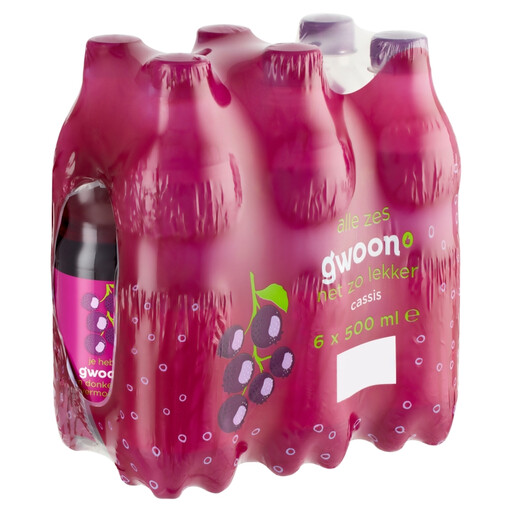
Why this fits the profile: The six 500 ml bottles are easy to share out and handy for a household that uses smaller packs.
The product information states 8% blackcurrant juice concentrate, so you can compare the fruit content rather than just relying on the name 'blackcurrant'.
6 x 500 ml, carbonated and 29 kcal per 100 ml according to the product data.
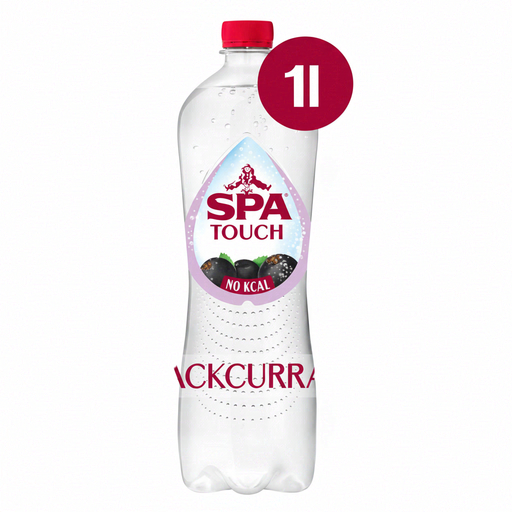
Why this fits the profile: This choice suits anyone looking for a light blackcurrant flavour without sugar or sweeteners, according to the product description.
The nutritional information states 0 kcal and 0 g sugar; do check the current label when you buy.
1 litre of sparkling natural mineral water with natural blackcurrant flavouring.
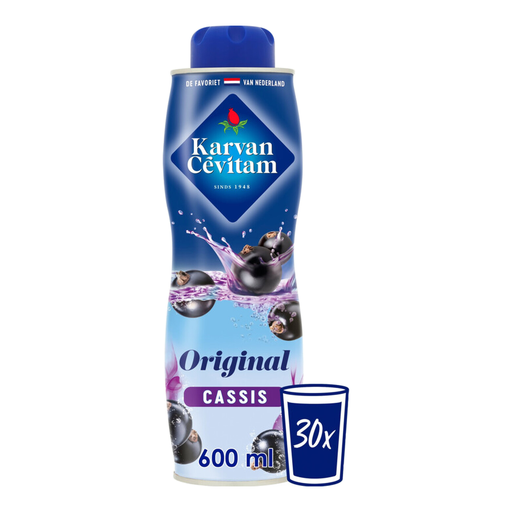
Why this fits the profile: You make your own blackcurrant squash at home with still or sparkling water, and control the strength per glass.
The recommended ratio of 1 part syrup to 9 parts water makes the potential yield clearer than just the bottle volume.
600 ml syrup, according to the description enough for up to 6 litres of drink; refrigerate after opening.
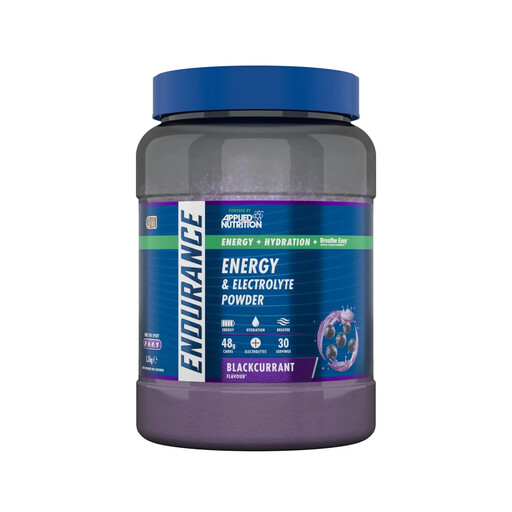
Why this fits the profile: This powder is aimed at adults who want to make a carbohydrate and electrolyte drink during prolonged exercise.
The serving information makes it clear this isn't a regular blackcurrant soft drink: 50 g of powder contains 47.8 g of carbohydrates according to the specification.
1.5 kg pack, approximately 30 servings of 50 g; vegan, gluten-free and suitable for mixing with water according to the product information.
We've put together a full, up-to-date list of products that fully meet these strict selection criteria and current European safety regulations.
No. A blackcurrant drink can contain sparkling water, sugar, sweeteners, juice concentrate or flavouring. Blackcurrant juice usually refers to a product with a higher proportion of juice. Check the ingredients list and the juice percentage to compare them properly.
According to the product information provided, Spa Touch Sparkling Blackcurrant contains 0 kcal per 100 ml and no sugar or sweeteners. Always check the packaging, as recipes and labels can change.
Store opened soft drinks, syrup and drinks with nata de coco according to the label. In many cases, this means: seal tightly, keep cool and use within the stated period. With carbonated bottles, be extra careful about loss of fizz; a cold, upright bottle usually stays fizzy for longer.
