
Vandaag of morgen in huis

Kwaliteit gegarandeerd

Welkomstaanbiedingen ontgrendelen: GRATIS bezorging | Tot 80% korting | Gratis 30 dagen JoyPlus-proefperiode
Download de app
Lemonade is available as a carbonated soft drink, syrup, iced tea, fruit lemonade and colourful international beverages. This extensive selection does not always make choosing easy. Eye-catching packaging reveals little about the flavour, sugar content or the amount of drink you actually receive.
When buying lemonade online, shoppers mainly encounter three common pitfalls:
Compare products on the same basis: per 100 ml. This allows you to see the difference between regular lemon lemonade, sugar-free lemonade and reduced-sugar lemon drinks.
Examples from the range:
A product labelled “zero” or “sugar-free” may therefore still contain sweeteners. Also look for warnings, such as the indication that a product containing aspartame is a source of phenylalanine.
Not all lemonade is the same:
Also check the juice percentage. Sanpellegrino Limonata, for example, lists 11% lemon juice from concentrate as well as lemon juice. In other drinks, the proportion of lemon may be considerably lower. A higher juice percentage does not guarantee a flavour you will enjoy, but it is a verifiable product specification.
For a family, picnic or event, 1.5-litre bottles or a lemonade multipack are practical choices. Small bottles, cans and pouches are more convenient for individual servings and transport.
Keep the following sizes in mind:
Always read the storage instructions on the packaging. Many drinks must be refrigerated after opening and consumed within a few days or within 24 hours.
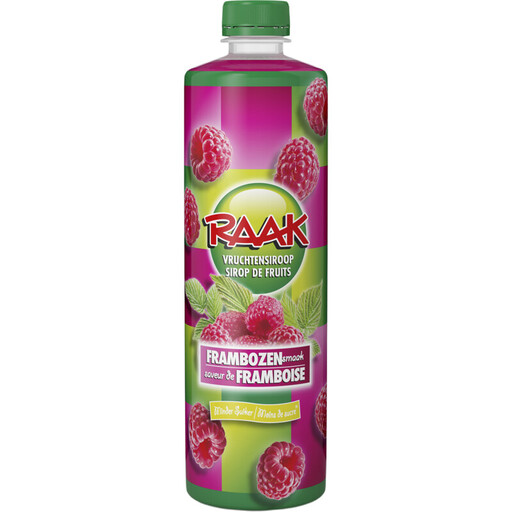
Why This Fits Their Persona: A bottle of syrup is suitable for households that want to control both the quantity of drink and its strength. According to the product information, one bottle makes up to 30 glasses of 200 ml.
You compare the number of glasses rather than the bottle volume alone. The stated nutritional values apply to the product according to the listed product specifications.
750 ml bottle; suitable with still or sparkling water; lists 6.7 g of sugar per 100 ml.
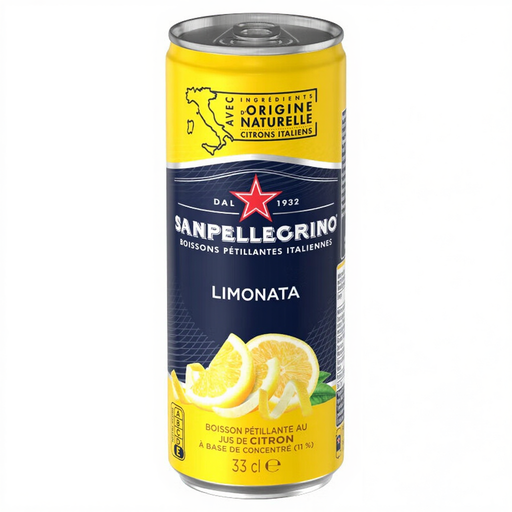
Why This Fits Their Persona: This Italian lemon drink is a fitting choice for dinner, drinks or any occasion when you want to serve a carbonated beverage in a compact format.
The product listing specifies the country of origin, lemon juice percentage and recommended serving temperature of 6–8 °C.
330 ml can; carbonated; lists 11% lemon juice from concentrate and 8 g of sugar per 100 ml.
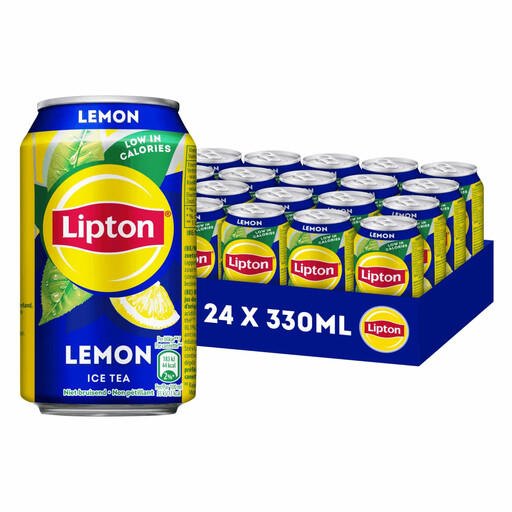
Why This Fits Their Persona: A tray of 24 cans is practical for offices, catering, student housing or parties where individual servings are preferred.
The format prevents a large bottle from remaining open in the refrigerator for an extended period. This is non-carbonated lemon iced tea, not sparkling lemonade.
24 x 330 ml; black tea extract and lemon juice from concentrate; 3 g of sugar per 100 ml according to the product information.
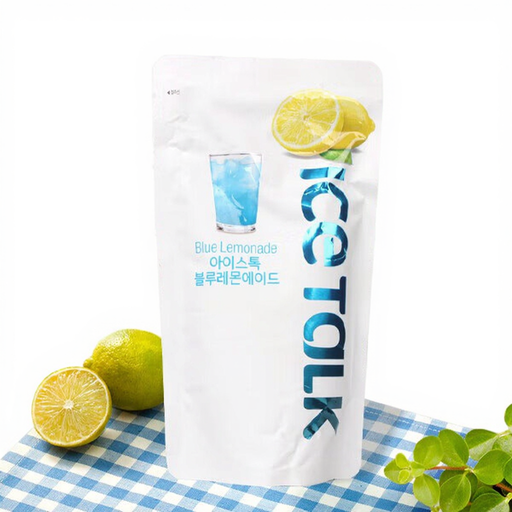
Why This Fits Their Persona: The blue colour and pouch packaging stand out at picnics, children’s parties and summer occasions where an individual serving is convenient.
The product information describes the colour separately from the citrus flavour. The ingredients list includes lemon juice concentrate and spirulina extract for colouring.
230 ml ready-to-drink pouch; 35 kcal and 8.4 g of sugar per 100 ml according to the product listing; store according to the label.
Explore a current selection of sparkling lemonade, lemon soda, lemon drinks, lemon iced tea, syrup and multipacks. Compare the size, ingredients and nutritional values before ordering.
Lemonade is a broad product category. It can refer to syrup that you mix with water, as well as ready-to-drink soft drinks. Lemon drink generally refers to a ready-to-drink beverage with lemon flavour or lemon juice. Always check whether you are buying a concentrate, carbonated soft drink, iced tea or fruit drink.
No. Sugar-free lemonade often contains sweeteners to maintain a sweet taste. Check the ingredients list for names such as aspartame, acesulfame-K, sucralose or steviol glycosides. For nutritional and allergen information, the packaging should be considered authoritative, as recipes may change.
Follow the instructions on the label. In many cases, opened lemonade must be refrigerated and consumed within a few days. Close bottles or pouches securely. Unopened multipacks can generally be stored in a cool, dry place away from direct sunlight, but always check the specific storage instructions and best-before date.
