
Vandaag of morgen in huis

Kwaliteit gegarandeerd

Welkomstaanbiedingen ontgrendelen: GRATIS bezorging | Tot 80% korting | Gratis 30 dagen JoyPlus-proefperiode
Download de app
Buying syrup might seem straightforward, until you have to choose between cordial, fruit syrup, maple syrup, apple syrup or an international variety. An attractive bottle tells you little about the ingredients, the number of servings or how to use it. If you only focus on flavour or price, you could end up with a bottle that’s too sweet, runs out too quickly, or simply doesn’t suit the recipe you have in mind.
With this practical guide, you’ll know exactly what to look for: ingredients, nutritional values, dilution ratio, volume and when to use it.
A fruit syrup can contain sugar, sweeteners, flavourings and only a small amount of fruit concentrate. Always check the ingredients list. If sugar or glucose-fructose syrup appears near the top, it’s a major component of the recipe. Some products clearly state the fruit content, such as Karvan Cevitam Grenadine Syrup, whose product information mentions 75% fruit.
Also pay attention to the difference between fruit syrup, cordial and a syrup that’s merely fruit-flavoured. The flavour name on the front is no substitute for the ingredients list.
A syrup may contain no added sugars, but still have naturally occurring sugars from fruit. For example, Van De Boom Pear Syrup states 85% fruit and 0% added sugars, with 8.5g of sugars per 100g. That’s quite different from a sugar-free syrup.
If you want to reduce your sugar intake, compare the nutritional values per 100g or per prepared serving. Also check which sweeteners have been used, such as sucralose, acesulfame-K or steviol glycosides.
A 600ml bottle can yield up to around 6 litres of drink, depending on the recommended dilution ratio. So the price per bottle matters less than the price per litre of prepared cordial. When buying syrup for water, always check:
Choose a product based on how you plan to use it. For a daily drink, a syrup with fewer calories per 100ml of prepared drink can be practical. For pancakes, yoghurt or baking, flavour, thickness and concentration are often more important.
A few examples:
Remember that terms like “natural”, “source of” or “suitable for” should always be read alongside the label. Brand descriptions are product information from the seller; they don’t guarantee a specific effect.
Not every syrup works the same way. A thin cordial mixes easily with still or sparkling water. A thicker syrup is more convenient for breakfast and desserts.
Check whether the bottle or jar needs to be kept in the fridge after opening. This is clearly stated for many cordials. A well-sealed container, protection from heat and following the best-before information on the label all help to prevent waste.
For a family, 600 to 750ml can be practical if the syrup is used regularly. For a specific dessert or cocktail application, a smaller bottle often makes more sense.
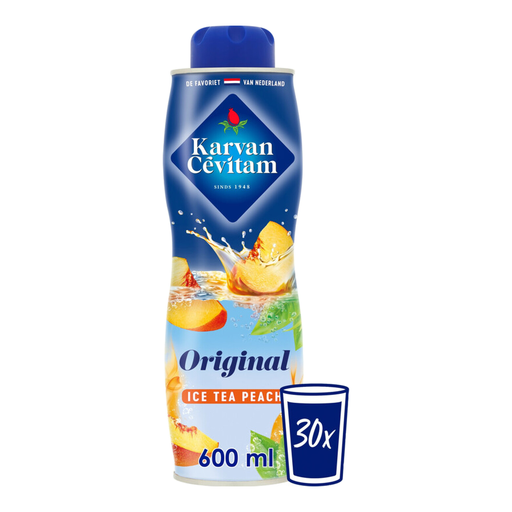
Why this fits the profile: With a stated ratio of 1 to 9 and a yield of up to around 6 litres, this peach and tea syrup is straightforward for everyday use.
The product information states the dilution ratio and the number of glasses, so you can better estimate the cost per use.
600ml volume; suitable for water, sparkling water and mocktails; according to the product information, free from colourings and artificial flavourings.
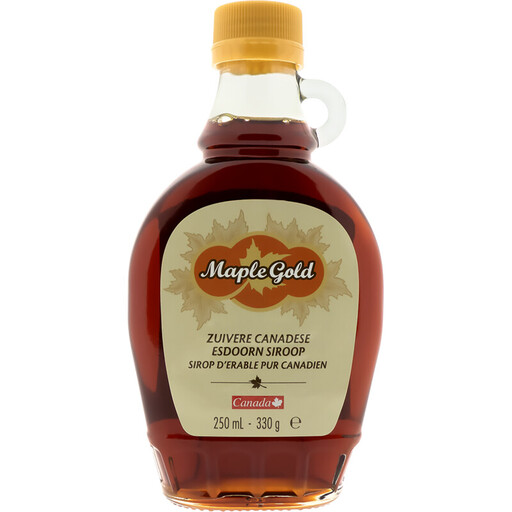
Why this fits the profile: If you’re after a short ingredients list for pancakes, ice cream and desserts, this targeted maple syrup variety delivers.
The label states 100% pure maple syrup, so there’s no guesswork about flavourings or added sweeteners.
100% maple syrup; 250ml; suitable for pancakes and ice cream; refrigerate after opening according to the product information.
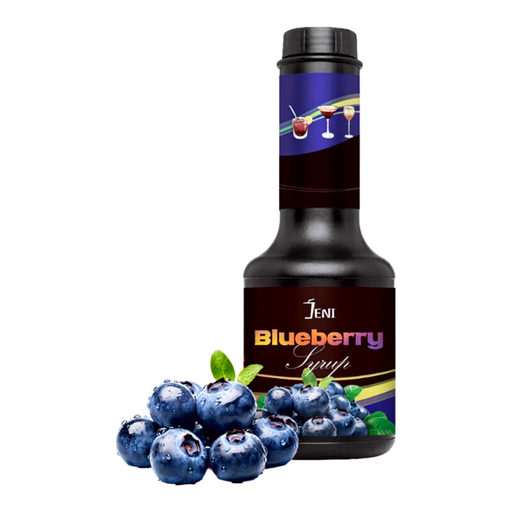
Why this fits the profile: This fruit syrup is designed for cordial, cocktails, desserts and baking, so one bottle covers multiple uses.
The product description specifically mentions water, sparkling water, cocktails, desserts and baking as uses.
600g volume; natural colour according to the product information; can be used in both hot and cold recipes.
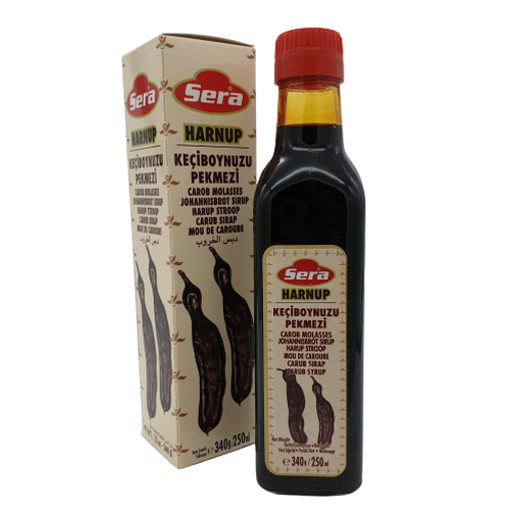
Why this fits the profile: This dark Turkish carob syrup works well with yoghurt, toast, breakfast bowls, desserts and baking recipes.
The ingredients list is short: carob and water. This makes the composition clearer than syrups with multiple flavourings and sweeteners.
250ml; plant-based composition according to the product description; distinctive flavour for Turkish and international recipes.
We’ve put together a full, up-to-date list of products that fully meet these strict selection criteria and comply with current European safety regulations.
For water, choose a cordial with a clear dilution ratio. Check whether the syrup is suitable for still and sparkling water, and how many litres you can make from one bottle. Karvan Cevitam, Van De Boom and g’woon offer varieties that, according to the product information, are intended for diluted drinks.
No. Check the nutritional values per 100g and per prepared drink. A product with sweeteners may be low in calories, but the exact amount varies depending on the composition. “No added sugars” can also mean that natural fruit sugars are still present.
This varies by product. Many syrups need to be refrigerated after opening and used within the period stated on the label. Always seal the bottle or jar tightly, store it according to the instructions, and check the best-before information on the packaging.
