
Livraison le jour même et le lendemain

Qualité garantie

Débloquez vos offres de bienvenue: Livraison GRATUITE | Jusqu'à -80 % | 30 jours d'essai gratuits à JoyPlus
Téléchargez l'application
A reliable thermometer is indispensable in any household. Whether you need to check a sick child's fever, achieve the perfect doneness for a piece of meat on the BBQ, or simply maintain a comfortable indoor climate. But the market is flooded with models that promise the world. This often leads to a bad purchase: an inaccurate device that causes more frustration than clarity.
As a Joybuy Product Recommendation Officer, I see where things go wrong every day. Before you spend your money, it's important to recognise the common pitfalls.
To avoid a bad purchase, focus on the specifications that truly matter for your situation. Don't be distracted by marketing jargon; look at the facts.
The reliability of a digital thermometer depends on the technology used.
A thermometer is a tool. You don't use a hammer to drive a screw into the wall. So, choose a model designed for your specific purpose.
Below is a selection of thermometers tailored to specific user profiles, based on their objective specifications and functionality.
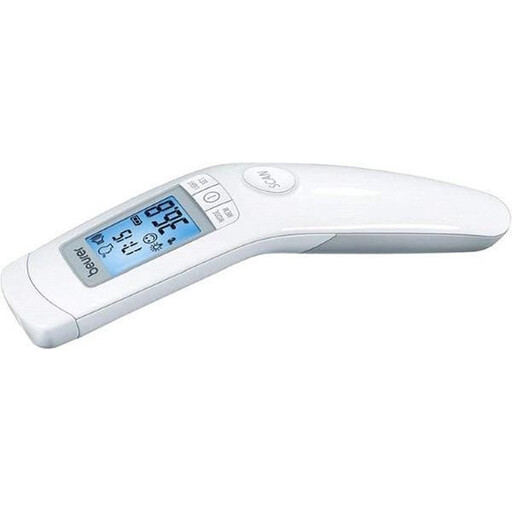
Why this fits the profile: This contactless forehead thermometer is hygienic and fast, which is ideal for taking the temperature of a (sleeping) child. The measurement takes only a few seconds and requires no physical contact. The additional ability to measure surface and room temperature is practical for checking baby food or the nursery.
This is a medical device (Class IIa) specialised in fever measurement, not a vague "jack-of-all-trades." The infrared technology is designed for consistent readings, which avoids the pitfall of unreliable results.
The visual fever indicator (happy/sad smiley) and the illuminated display remove uncertainty and make the results immediately understandable, even in the dark.
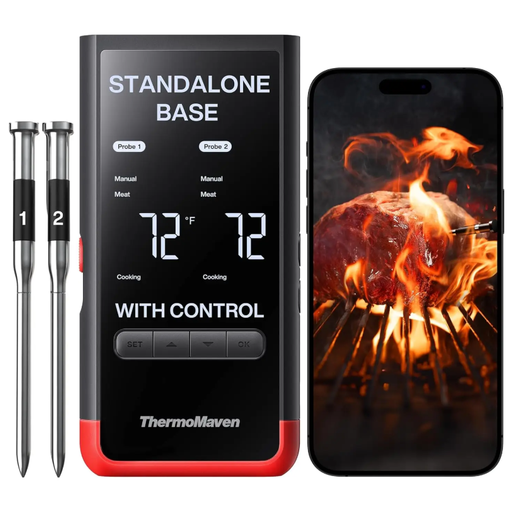
Why this fits the profile: This set offers the precision and flexibility a serious cook needs. With two fully wireless probes, you can monitor the core temperature of two pieces of meat or a dish and the BBQ simultaneously. The Wi-Fi connection ensures you have range in and around your home.
The combination of Bluetooth and Wi-Fi solves the problem of limited range. Furthermore, the base station with its own display means you are not completely dependent on an app, which increases usability.
Two wireless core thermometers, each with 6 sensors for high accuracy (NIST-certified according to the manufacturer), and a standalone base station.
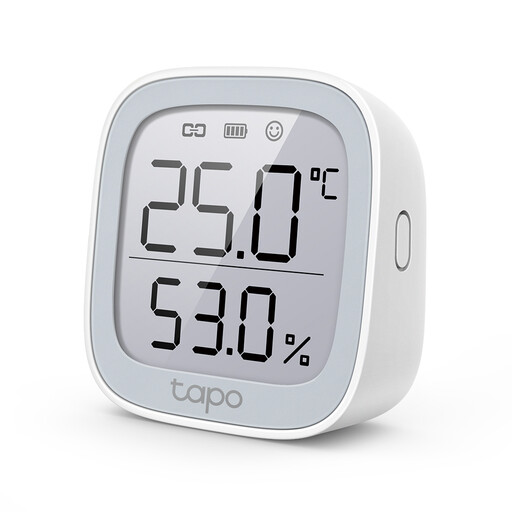
Why this fits the profile: This sensor is designed to integrate seamlessly into a smart home ecosystem. It continuously monitors room temperature and humidity and allows you to set up automations, such as activating a smart plug with a fan when it gets too warm.
This is a specialised room thermometer and hygrometer. It doesn't try to measure fever or food, but focuses entirely on accurately monitoring the indoor climate for smart home applications.
Real-time monitoring and notifications via the app, free data storage for analysing trends, and the ability to control other Tapo devices (requires a Tapo Hub).
Not all wireless thermometers are created equal. If you're looking for a model with a stable connection and reliable probes, check out our curated selection.
For a meat thermometer, you can do a simple test: holding the tip in a glass of ice water should give a reading of around 0°C (32°F). With a fever thermometer, this is more difficult. Reliability decreases over time and after being dropped. Replace a medical thermometer every few years, especially if you doubt the readings. When in medical doubt, always consult a doctor.
An ear thermometer measures the heat emitted by the eardrum. This is considered a very reliable method, provided the thermometer is placed correctly in the ear canal. A forehead thermometer measures the heat from the skin on the forehead. This method is less invasive and easier, but can be influenced by external factors like sweat or drafts.
Not always. Some advanced meat thermometers have a base station with its own display, where you can read the temperature directly. The app is then optional for remote monitoring or adjusting settings. Simpler smart thermometers, such as room sensors, are often completely dependent on the app for all functionalities. Always check this in the product description.
