
Vandaag of morgen in huis

Kwaliteit gegarandeerd

Welkomstaanbiedingen ontgrendelen: GRATIS bezorging | Tot 80% korting | Gratis 30 dagen JoyPlus-proefperiode
Download de app
When your child is sick, you want one thing: to know quickly and reliably if they have a fever. A good fever thermometer is an essential in every household. But the options are vast: an ear thermometer, a forehead thermometer, or a classic digital one? The technology is constantly evolving, and the differences in ease of use, speed, and features are significant.
As a Joybuy Product Recommendation Officer, I'm here to help you make an informed choice. In this article, we'll outline the key points to consider and highlight some popular models for 2026, based on their specifications and functionalities.
Before you make a decision, it's helpful to know which features are most important for your situation. Here are a few practical considerations.
The measurement method is one of the most important choices. Each method has its own pros and cons, especially if you're looking for a thermometer for a baby or young child.
Modern thermometers offer more than just a temperature display. Pay attention to the following specifications:
Based on functionality and ease of use, we have listed a few popular choices for you.
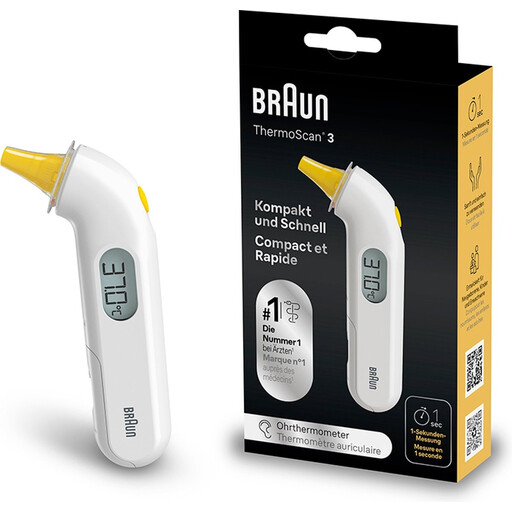
Why it stands out: The Braun ThermoScan 3 focuses on simplicity and speed. With a measurement in just one second and single-button operation, this is a very accessible model.
Pros:
Who is it for?: Families looking for a no-nonsense, fast, and reliable ear thermometer for daily use on all ages, including newborns.
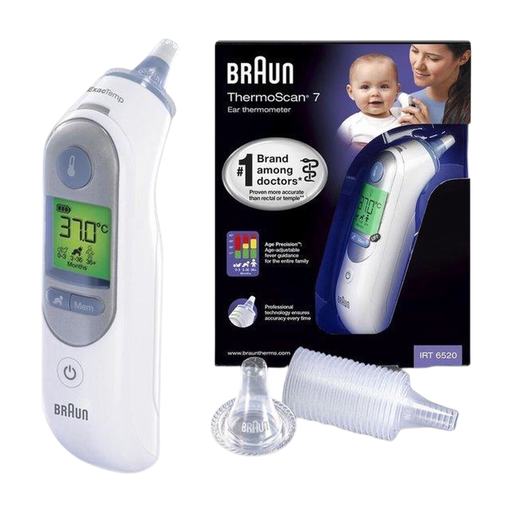
Why it stands out: This model introduces Age Precision technology. You can set your child's age (0-3 months, 3-36 months, or 36+ months), and the thermometer will interpret the reading with a colour code. This removes much of the guesswork.
Pros:
Who is it for?: Parents of babies and young children who are looking for extra guidance and reassurance when interpreting temperatures.
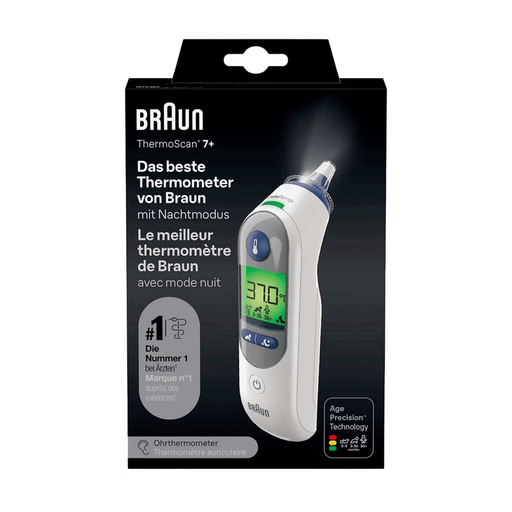
Why it stands out: The ThermoScan 7+ builds on the features of the ThermoScan 7 and adds a night mode with a light and a silent mode. This makes taking a sleeping child's temperature even easier.
Pros:
Who is it for?: Parents who often need to take temperatures at night and want to do so as quietly and discreetly as possible.
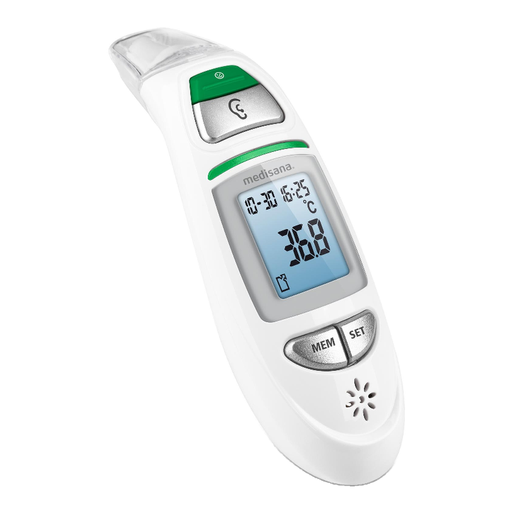
Why it stands out: This is a contactless forehead thermometer. You don't need to touch the skin, making it a very hygienic and fast option for the whole family.
Pros:
Who is it for?: Anyone looking for a fast, hygienic, and versatile thermometer. Ideal for quick checks on restless children or for use on multiple people.
Technology is continuously developing, including in the field of health monitoring. There are now thermometers that connect to an app on your smartphone via Bluetooth. This allows you to automatically log temperature readings and view graphs of the fever's progression.
For those interested in models with app connectivity, check out our selection of Wireless Bluetooth Thermometers.
For babies up to three months old, a rectal measurement with a flexible digital thermometer is often considered the most accurate method. For added convenience and speed, an ear thermometer specifically designed for newborns, such as a Braun thermometer with a narrow tip, is a good alternative. Always ensure you use the thermometer correctly according to the manual.
Both types of infrared thermometer can be very accurate, provided they are used correctly. The precision of an ear thermometer depends on proper positioning in the ear canal. A forehead thermometer can be influenced by external factors like sweat on the forehead or drafts. Read the manufacturer's instructions carefully for the most reliable result.
A digital or infrared thermometer typically lasts for years. Replacement is recommended if you see physical damage, the display is malfunctioning, or if the readings seem illogical or inconsistent (even after replacing the batteries). Consult the manufacturer's manual for specific recommendations on its lifespan.
