
Livraison le jour même et le lendemain

Qualité garantie

Débloquez vos offres de bienvenue: Livraison GRATUITE | Jusqu'à -80 % | 30 jours d'essai gratuits à JoyPlus
Téléchargez l'application
A thermometer seems like a simple device until you need one that is truly reliable. Whether you're checking your child's fever, ensuring the perfect cook on an expensive cut of meat, or maintaining a healthy indoor climate, an inaccurate reading renders the device useless. Many consumers fall for marketing traps and end up with a thermometer that causes more frustration than it provides clarity.
Before you make a choice, it's wise to know the most common pitfalls:
To avoid a bad purchase, focus on a few objective specifications. These features determine whether a thermometer will do its job well.
The most important feature of any thermometer is its accuracy. Check the specifications for the deviation, often indicated as ±0.2°C or ±0.5°C. For medical use, such as with a fever thermometer, a smaller deviation is crucial. Medical thermometers must also have a CE marking, which indicates they meet European health and safety standards.
The type of thermometer depends on its purpose:
A digital thermometer should, above all, be easy to read. A large, backlit screen and straightforward controls are more important than an abundance of features.
With a smart thermometer, connection stability is essential. WiFi typically offers a longer and more stable range than Bluetooth, so you don't have to stay right next to the oven or barbecue. Also, check if the companion app is well-reviewed and actually offers useful features, such as graphs, alerts, and automation capabilities.
Based on objective specifications and use cases, we have selected several thermometers that suit different needs.
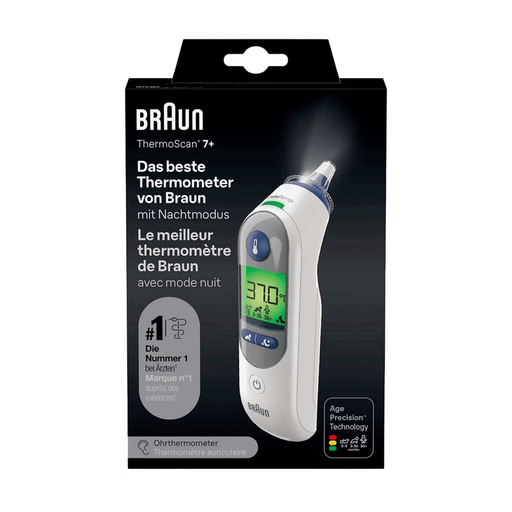
Why This Fits Their Persona: For parents seeking a fast, reliable, and user-friendly ear thermometer. The reading is completed in seconds, which is ideal for restless children.
The pre-warmed tip and the ExacTemp positioning guide minimise the risk of an inaccurate reading. The included hygienic disposable caps ensure a clean measurement without complicated cleaning.
The Age Precision technology helps interpret the reading based on age with a colour-coded display. According to the manufacturer, this is the brand most used and recommended by doctors.
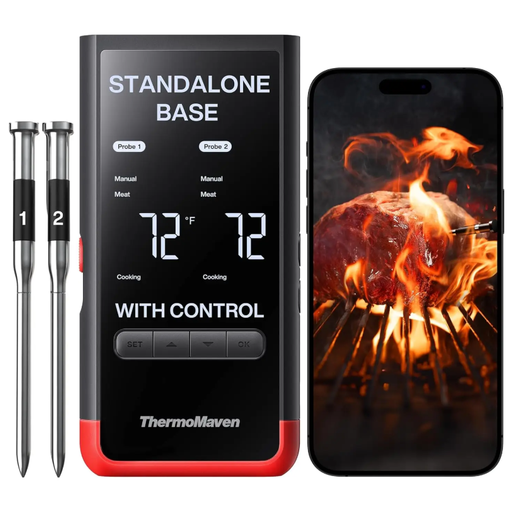
Why This Fits Their Persona: Perfect for the serious chef who wants precision and freedom. With two wireless probes and an unlimited WiFi range, you can monitor your meat's cooking progress from anywhere in and around your home.
This model bypasses the trap of clunky 'smart' features. The base station also displays the temperature without the app, and the combination of Bluetooth and WiFi ensures a stable connection. The accuracy is NIST-certified (±0.3℃).
The two ultra-thin probes can monitor different dishes simultaneously. The probes are waterproof (IPX8) and dishwasher-safe, which makes cleaning simple.
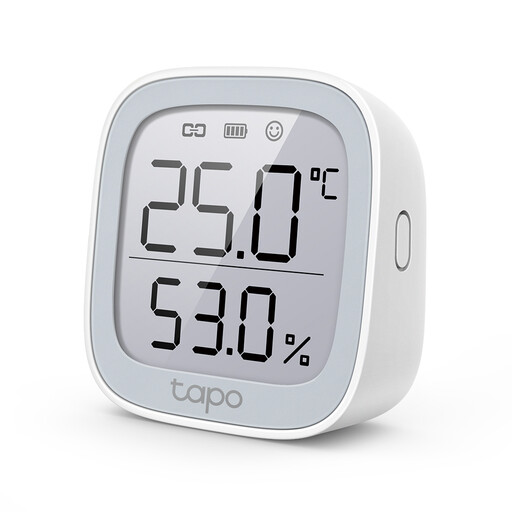
Why This Fits Their Persona: For those who want to monitor and automate their indoor climate. This sensor measures both temperature and humidity and can control other smart devices for optimal comfort.
This is a smart device that serves a practical purpose. Instead of being a gimmick, it offers the ability to automatically turn on a fan or humidifier, for example. The E-ink display is energy-efficient and always easy to read.
According to the manufacturer, the sensor has high accuracy (±0.3°C and ±3% RH) and a battery life of over 2 years. Integration with the Tapo app makes it easy to view data and set up automations (requires a Tapo Hub).
We have compiled a complete, up-to-date list of products that fully meet these strict selection criteria and safety regulations.
For newborns (0-3 months), a rectal measurement with a flexible digital thermometer is considered the most accurate method by many paediatricians. However, for ease of use and comfort, an ear thermometer from a reliable brand, like the Braun ThermoScan, is an excellent alternative for babies and older children. These measure the infrared heat from the eardrum, which provides a good indication of the core body temperature, provided it is used correctly. A forehead infrared thermometer is the least invasive but can be slightly more sensitive to environmental factors.
That depends on the product. Some smart thermometers, particularly meat thermometers, connect directly to your phone via Bluetooth or WiFi. For smart room thermometers and hygrometers, like those from TP-Link Tapo, a separate hub is often required. This hub acts as a central point that connects the sensors to your WiFi network and enables communication with other smart devices in your home. Always check this in the product description.
This varies by model. The probes of many modern, high-end BBQ thermometers, such as the ThermoMaven and Typhur Sync One, have an IPX7 or IPX8 waterproof rating. This means the probes (not the base station or charger) are safe to put in the dishwasher. Always read the manufacturer's manual to verify if your specific model is dishwasher-safe to prevent damage.
