
Vandaag of morgen in huis

Kwaliteit gegarandeerd

Welkomstaanbiedingen ontgrendelen: GRATIS bezorging | Tot 80% korting | Gratis 30 dagen JoyPlus-proefperiode
Download de app
A digital thermometer may seem straightforward, but the differences between models lie in the measuring method, instructions for use and maintenance. A forehead thermometer can be useful when checking a sleeping child, while a traditional fever thermometer or ear thermometer requires a different approach. For cooking, barbecuing and checking bath water, you need a thermometer designed specifically for those purposes.
Choosing the right one helps you avoid unnecessary purchases. Pay particular attention to these three common pitfalls:
A traditional fever thermometer with a measuring tip is generally used orally, rectally or under the arm. This type requires more direct contact, but often offers simple operation and a clear measuring range for body temperature.
A contactless thermometer or forehead thermometer uses infrared measurement. This is practical for babies, children and sleeping people. The distance from the forehead, clean and dry skin, and a steady hand are important. According to Braun’s instructions for use, sweat, hair, direct sunlight and insufficient acclimatisation can affect the reading.
An ear thermometer measures through the ear and can work quickly, but it must be positioned carefully. Some models require a new hygiene cover for every reading. Check the cost and availability of replacement covers in advance.
Do not focus solely on the word “accurate” in a product title. Check the specific technical details:
Claims such as “clinically proven” or “NIST-certified” come from the manufacturer and should be considered alongside the full manual, intended use and local product information. A reading is not a medical diagnosis. If you are concerned about a high temperature or other symptoms, contact a doctor.
A thermometer with a fever alert may use a colour display, beep or vibration function. This helps you identify a reading quickly, but the selected age group and instructions remain the deciding factors. A memory function is useful when you want to compare readings over time.
Also look out for:
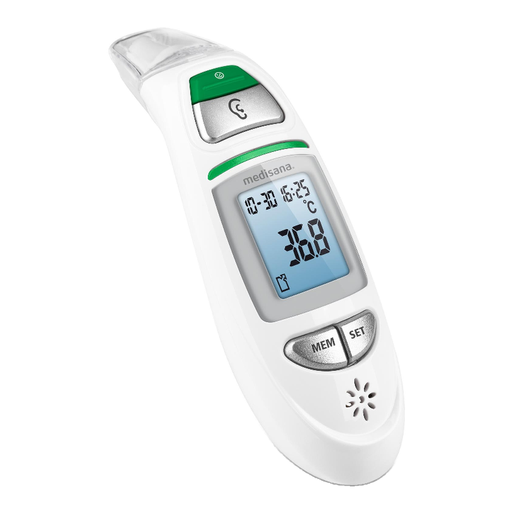
Why it suits this profile: This contactless digital forehead thermometer is designed for everyday use at home and, according to the product description, is suitable for babies, children and adults.
The instructions clearly state that this model is not waterproof and is intended for forehead readings only. This makes it less likely that you will choose it for the wrong purpose.
Contactless infrared measurement, a memory function and a digital display accurate to one decimal place according to the product specifications.
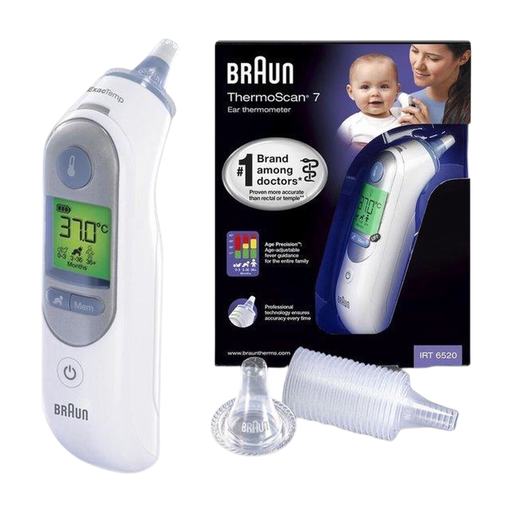
Why it suits this profile: This model is designed for taking ear readings across different age groups. According to Braun, it features age settings, a pre-warmed measuring tip and a positioning indicator.
The included hygiene covers and ExacTemp indicator make maintenance and positioning clear. Use a clean cover for every reading as instructed in the manual.
Age settings for 0–3 months, 3–36 months and over 36 months; memory for nine readings and a backlit display.
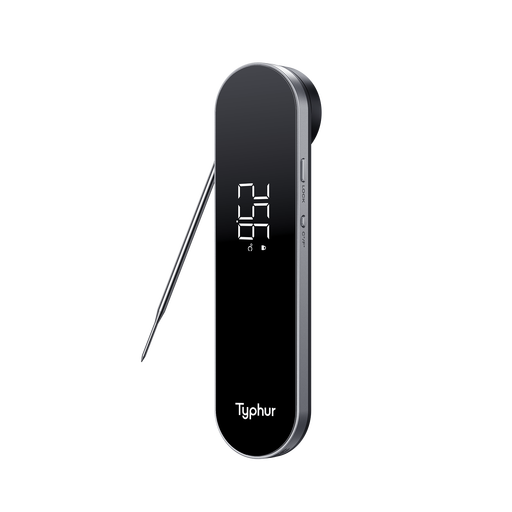
Why it suits this profile: For home cooks and barbecue enthusiasts who want to check the core temperature of meat, fish or other dishes quickly.
The product description clearly states that this is a food thermometer. The IP67 rating supports cleaning the probe, but do not immerse the housing for extended periods.
According to Typhur, the model delivers a reading in 0.5 seconds and has a temperature range of -58 °F to 572 °F, equivalent to approximately -50 °C to 300 °C.
We have put together a complete, up-to-date list of products that fully meet these strict selection criteria and the applicable European safety regulations.
That depends on the baby’s age, the measuring method and the instructions for use. A forehead thermometer can be useful when you do not want to disturb a sleeping baby. An ear thermometer requires correct positioning and may need hygiene covers. Always follow the manufacturer’s age restrictions and instructions. A reading is not a substitute for medical advice.
There is no fixed replacement period for every digital thermometer. Replace the device if the display, sensor, battery compartment or housing is damaged, or if readings continue to vary significantly despite correct use. Store the model in a dry place, clean the sensor according to the manual and replace the batteries on time. Also check the statutory warranty and any additional manufacturer’s terms.
In addition to the purchase price, batteries, hygiene covers and any replacement parts are relevant. A simple pen-style fever thermometer often works with one small battery. An ear thermometer may have higher running costs due to disposable covers. With a BBQ thermometer, ease of cleaning, battery life and a replaceable probe are more important than simply choosing the lowest purchase price.
