
Livraison le jour même et le lendemain

Qualité garantie

Débloquez vos offres de bienvenue: Livraison GRATUITE | Jusqu'à -80 % | 30 jours d'essai gratuits à JoyPlus
Téléchargez l'application
Tired of the plastic containers cluttering your kitchen cabinets? The ones that discolour, retain strange odours, or warp in the dishwasher after just a few uses. More and more households are seeking a more durable and practical alternative. Stainless steel food containers are the logical choice.
As a Joybuy Product Recommendation Officer, I'm here to help you filter through the available information. This article is a practical guide to help you choose the right stainless steel food containers, without the marketing fluff. We'll look at the specifications that truly matter, so you can make an informed decision.
Switching to stainless steel is simple, but a few key factors can make the difference between a great purchase and a mediocre one.
Not all stainless steel is created equal. Most metal food containers are made from 304 stainless steel, which is an excellent standard. For those seeking superior quality, there's 316 stainless steel. This type of steel contains molybdenum, an additive that makes the material exceptionally resistant to corrosion from salts and acids. Think tomato sauce, salad dressings, or citrus fruits. As a result, containers made from 316 stainless steel are even more durable and hygienic in the long run.
A food container is only as good as its lid. To truly keep food fresh, airtight food containers are essential. Look for stainless steel containers with lids that feature a silicone rim or seal. This creates a secure closure that prevents leaks and protects the contents from air and moisture. This is especially important if you use the containers as a stainless steel lunch box on the go or for storing soups and sauces.
Convenience is key. A major advantage of stainless steel is its versatility. Always check if the containers are dishwasher-safe, which significantly simplifies cleaning. Additionally, many models are suitable as freezer-safe containers, ideal for those who do meal prepping. With a good set of stainless steel meal prep containers, you can prepare and freeze meals for the entire week.
Based on product specifications and functionality, we have selected a few options that stand out.

Why It Stands Out: This set offers three different sizes, making it highly versatile. From a small snack to a full meal or leftovers for the whole family, this set ensures you always have the right size on hand.
Advantages:
Who Is It For? Families or individuals who want flexibility in storing different portion sizes. Ideal for anyone looking for a complete and versatile starter set.

Why It Stands Out: This set is specifically designed for serious meal preppers. Four identical 1600ml containers make planning and portioning meals streamlined and efficient. The use of 316L stainless steel, an even purer grade, indicates a focus on maximum durability and safety.
Advantages:
Who Is It For? The dedicated meal prepper who prepares multiple meals weekly and needs uniform, large containers.
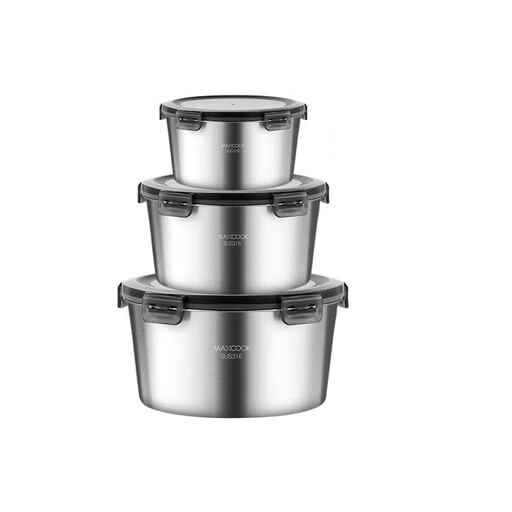
Why It Stands Out: This configuration is an excellent choice for a complete lunch. The large 2200ml container is suitable for a salad or main course, while the two smaller 600ml containers are perfect for snacks, fruit, or a side dish. A practical stainless steel lunch box solution.
Advantages:
Who Is It For? Ideal for people who take a varied lunch to work or school daily and are looking for a plastic-free food container solution.
Haven't found the perfect set for you yet? No problem. The world of food storage is vast, with many options available, from small snack boxes to large storage canisters. For a broader overview of our selection, feel free to explore further.
Check out all our snack containers for more choices.
No, metal objects should never be placed in a microwave. The metal can cause sparks and damage your appliance. Stainless steel containers are intended for storing, transporting, freezing, and sometimes reheating food in a conventional oven (always check the manufacturer's instructions for this).
316 stainless steel offers higher resistance to corrosion than the more common 304 stainless steel. This is due to the addition of molybdenum. As a result, the material is more resistant to salts and acids found in food, leading to a longer lifespan and maximum hygiene.
This depends on your priorities. Stainless steel food containers are an investment in durability: they last for years, don't absorb colours or odours, and are a completely plastic-free option. Plastic containers are often lighter and cheaper to buy, but they can wear out, discolour, and need replacing more often.
