
当日/次日达

品质保障

开启新人专享福利: 全场免邮 | 低至 2 折 | 免费试用 30 天 JoyPlus 会员
下载 Joybuy
A steaming bowl of ramen is more than a quick meal; it's comfort in a bowl. But when you want to buy ramen noodles online, the choice is overwhelming. Packaging promises an authentic Japanese flavour, but the contents often disappoint. Many people fall into the same traps: paying too much for a generic taste or ending up with noodles that turn mushy after the first bite.
Before you toss another random packet into your digital shopping cart, it's helpful to know what to look for. These are the most common missteps:
To avoid a bad purchase, it's wise to check three core elements. These determine 90% of the quality of your final noodle soup.
The noodle's texture is fundamental. Most instant noodles fall into one of these categories:
A great bowl of ramen is defined by its broth. Don't be fooled by vague flavour descriptions. Look for specific, traditional styles on the packaging. The most popular are:
Do you want a quick lunch for one or to build a stockpile? The packaging is your guide here.
Based on clear product features and different use cases, we've selected a few options that suit specific preferences.
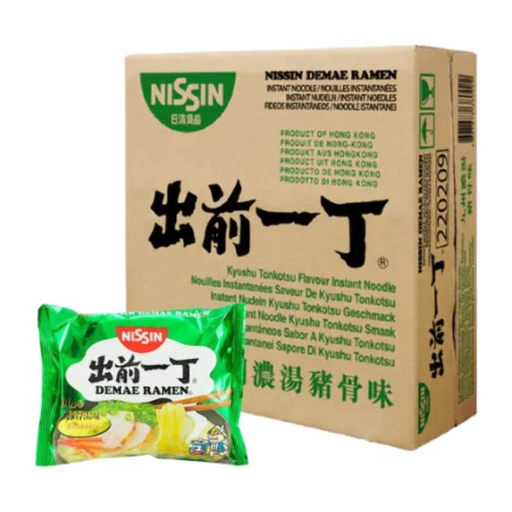
Why This Fits Their Persona: Ideal for students and busy households who want a reliable and affordable meal supply. This bulk pack of Nissin ramen offers a classic flavour that you won't quickly tire of.
This isn't a vague "pork flavour," but a specific Tonkotsu style, known for its creamy broth. You know exactly what flavour you're getting.
The bulk pack of 30 ensures a low price per serving. A reliable choice from a well-known brand.
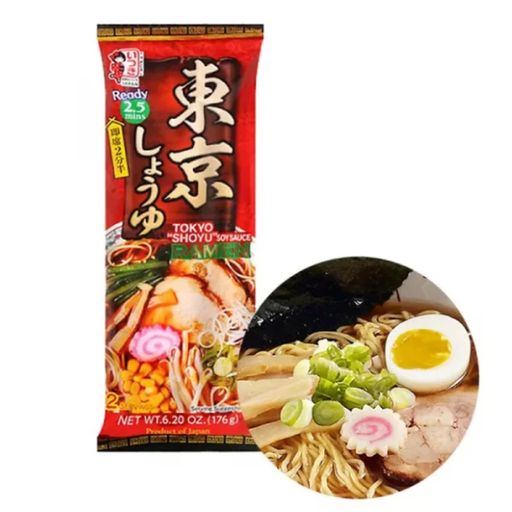
Why This Fits Their Persona: For the home cook looking for a more layered, restaurant-worthy flavour. This isn't an everyday instant noodle, but a more special experience.
This product escapes the generic flavour trap with a unique combination of Yuzu (citrus) and Shoyu (soy sauce). The ingredient list mentions specific extracts, indicating a more complex flavour profile.
The air-dried noodles offer a superior, chewy texture. The fresh, savoury flavour of yuzu and shoyu is a welcome change of pace.
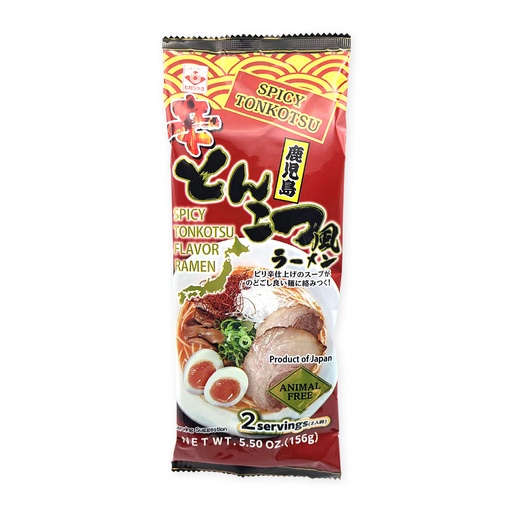
Why This Fits Their Persona: For those specifically looking for a spicy ramen that offers more than just heat. This ramen combines the creamy depth of tonkotsu with a serious spicy kick.
Instead of a one-dimensional 'spicy' flavour, this product offers a balanced Spicy Tonkotsu experience. The heat from the red chilli powder doesn't overpower the creamy broth but complements it.
It delivers a satisfying heat without sacrificing the deep, savoury flavour of the tonkotsu base. The noodles are non-fried.
We've compiled a complete, up-to-date list of products that meet these selection criteria. Find the ramen that's perfect for you.
The easiest way to upgrade your noodle soup is by adding fresh toppings. Consider a soft-boiled egg (ajitsuke tamago), finely chopped scallions, strips of nori (seaweed), corn, or a few slices of chicken breast or tofu. A drizzle of sesame oil or chilli oil in the broth can also make a huge difference.
Japanese noodles for ramen are almost always made from wheat and have a characteristic chewy texture, partly due to the use of kansui (alkaline water). The focus is heavily on the broth, with traditional styles like tonkotsu, miso, and shoyu. Other Asian instant noodles can vary widely, featuring rice noodles (as in Vietnamese pho) or different soup bases (like Thai Tom Yum).
If you eat ramen regularly, a bulk-pack of noodles is almost always a smart financial choice. The price per serving is significantly lower, and you'll always have a quick meal option on hand. Dried noodles have a very long shelf life, so you don't have to worry about them spoiling. It's a practical way to save money on a product you already use.
