
Vandaag of morgen in huis

Kwaliteit gegarandeerd

Welkomstaanbiedingen ontgrendelen: GRATIS bezorging | Tot 80% korting | Gratis 30 dagen JoyPlus-proefperiode
Download de app
A steaming bowl of tonkotsu ramen: the creamy, savoury pork broth, the springy noodles, the perfect toppings. It's a dish that promises both comfort and flavour. But the search for a great at-home instant tonkotsu ramen can be disappointing. The packaging promises a restaurant-quality experience, but the reality is often a watery soup with a bland flavour.
As a Joybuy Product Recommendation Officer, I see where things often go wrong. Many people fall into the same traps, lured by glossy pictures and vague promises. Before you buy another pack of noodles that lets you down, let's tackle the two most common problems.
Fortunately, you can avoid these disappointments by knowing what to look for.
To make a good choice, you don't need to decipher ingredient lists like a chemist. Focus on two concrete characteristics that determine the quality of your Japanese noodle soup.
The foundation of any tonkotsu ramen is the broth. The form in which it's delivered says a lot about the expected flavour and texture.
Not all instant noodles are created equal. The production method has a major impact on the texture.
By paying attention to these two points, you can filter out a large portion of the subpar products on the market.
To help you get started, we've selected a few products that suit different needs and situations.
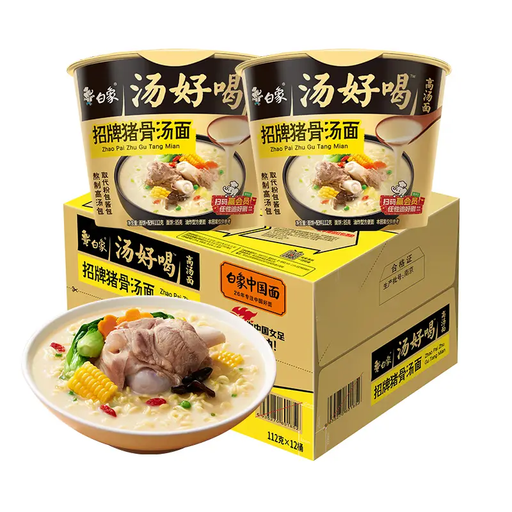
Why This Fits Their Persona: For those short on time, this is the ideal solution. A complete meal in a cup, ready in minutes with just boiling water. No pans, no cleanup. Perfect for the office, a study session, or a quick evening meal.
Baixiang's "Soup Good" series emphasizes the broth. The pork bone broth powder base provides a richer, less watery flavour than many other cup noodles, tackling the 'creamy broth' pitfall head-on.
Ultimate convenience: All-in-one cup. Richer broth: The focus on soup quality delivers a satisfying flavour.
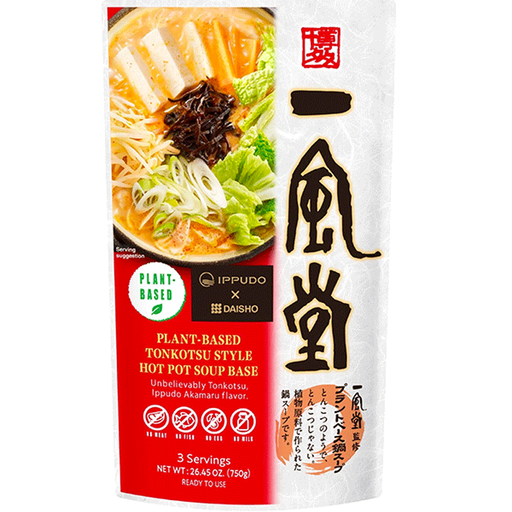
Why This Fits Their Persona: For the foodie who wants to create a restaurant-worthy meal at home. This liquid base gives you the freedom to add your own noodles, meat, and fresh vegetables for a premium ramen or a cozy hot pot.
This is a liquid, concentrated pork broth ramen base. It instantly delivers the deep, creamy, and umami-rich flavour that powders lack. This allows you to bypass the pitfalls of both watery soup and artificial taste.
Authentic flavour: Based on the famous Ippudo style. Versatile: Suitable as a base for ramen, noodle soups, and hot pot.
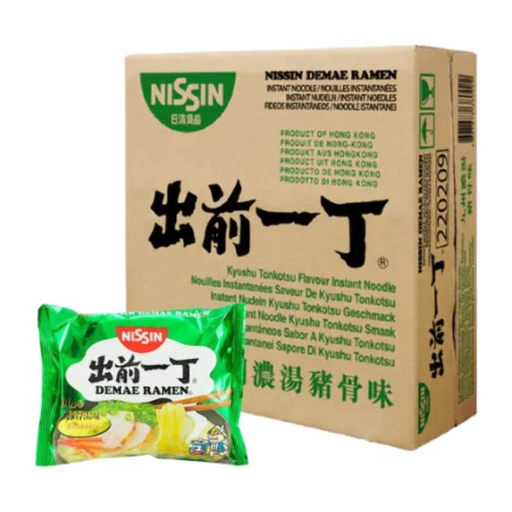
Why This Fits Their Persona: Ideal for families or anyone who likes to keep a well-stocked pantry. With this 30-pack value bundle, you'll never run out and will always have a quick, reliable meal solution on hand.
Nissin is an established A-brand known for its consistent quality. You know what you're getting: a classic, recognizable tonkotsu flavour without unpleasant surprises. The noodles have a reliable texture.
Value and convenience: Bulk pack for a great price per serving. Reliable quality: The consistent flavour and texture of a trusted brand.
A great broth is the foundation of many dishes. We've compiled a complete list of products that meet our selection criteria, from instant soup to artisanal stock.
The easiest way to upgrade your instant ramen is with toppings. Consider a soft-boiled egg (ajitsuke tamago), some finely chopped spring onions, strips of roasted pork (chashu), bamboo shoots, or a sheet of nori (seaweed). A dash of chilli oil can also add extra depth.
The difference lies in the "tare," the flavour base of the broth.
Absolutely. A concentrated tonkotsu soup base, like the DAISHO variety, is an excellent starting point for a Japanese hot pot (nabe). You can also use it as a base for other noodle soups with udon or soba, or even to give stir-fry sauces a deep umami flavour.
