
Vandaag of morgen in huis

Kwaliteit gegarandeerd

Welkomstaanbiedingen ontgrendelen: GRATIS bezorging | Tot 80% korting | Gratis 30 dagen JoyPlus-proefperiode
Download de app
A bowl of tonkotsu ramen is famous for its savoury pork broth, rich oil and firm noodles. However, not every packet labelled “tonkotsu” is the same. Some products rely mainly on flavourings, while others combine pork taste with chicken, miso or soy. The cooking time, portion size and salt content can also vary considerably.
For anyone wanting a quick hot meal, instant ramen is a practical choice. But without checking the label, you could easily buy a product that doesn’t suit your taste, diet or meal planning.
On packaging, tonkotsu can refer to a pork bone flavour, a flavouring or a blended soup base. So always check the ingredients. Some products list pork-style flavouring, pork extract or pork bone aromas; that doesn’t automatically mean the soup has been traditionally simmered from bones.
A creamy ramen broth can also be made from oil, miso, soya products, thickeners and flavour enhancers. That’s not necessarily a problem, but it does help you keep your taste expectations realistic.
A ramen cup is handy for the office, at home or on the go. The portion is often around 100 to 140 grams including the packaging and seasoning sachets. If you need more volume or multiple meals, it’s better to look at a ramen 5-pack or a box with several portions.
Also pay attention to the preparation method. Some cups are ready in three minutes with boiling water. Other instant ramen needs five to six minutes, or must be cooked in a pan.
With instant ramen, a large part of the flavour comes from the soup and oil sachets. So check not just the noodles, but the full ingredients list and nutrition table. In the product information provided, salt levels for different tonkotsu products range from around 5 to 7 grams per 100 grams. The amount you actually eat depends on the portion and preparation.
Do you have an allergy? Many Japanese noodles and Asian noodle products contain wheat and soya. Some varieties also contain sesame, celery or other allergens. Always check the current packaging.
For a quick meal, clear instructions are important:
Follow the recommended amount of water. Too much water makes the broth thin; too little water can make the flavour too concentrated.
Non-fried noodles are explicitly mentioned on several products. That’s a verifiable product feature, but not a guarantee of a particular taste or nutritional value. Also pay attention to thickness and shape. Udon noodles are thicker and firmer than classic ramen noodles.
A 122-gram cup is different from a 5-pack of five 112-gram or 122-gram packets. Compare the total weight, the number of portions and the preparation method when you’re buying in bulk.
Tonkotsu can be combined with:
According to brand product descriptions, certain varieties can offer a rich, creamy or authentic taste. Treat this as the manufacturer’s description. For an objective comparison, look at ingredients, weight, allergens, preparation time and nutritional values.
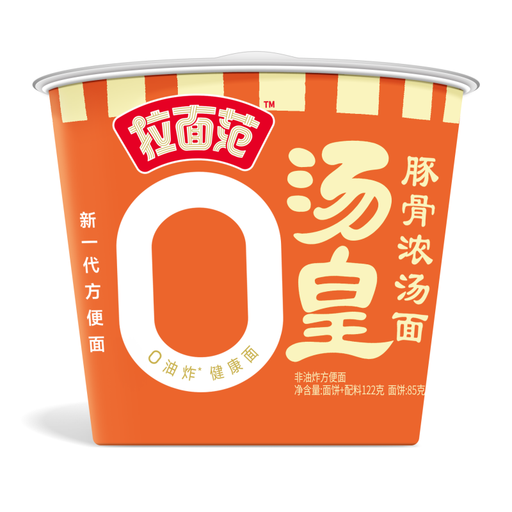
Why this fits the profile: This cup is designed for anyone wanting to try tonkotsu ramen without much preparation. The instructions say three minutes with boiling water.
The portion, sachet contents and preparation time are clearly stated in the product information, so you don’t have to rely solely on the front of the packaging.
Cup packaging of 122g, non-fried noodle block according to the product description, and a three-minute preparation time.
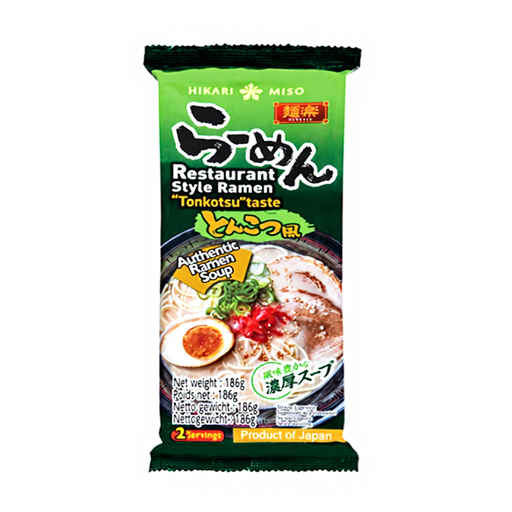
Why this fits the profile: Suits anyone looking for a tonkotsu flavour with miso and who values a product from Japan, according to the product information.
The ingredients list mentions miso, pork extract and wheat noodles. This makes the flavour profile easier to predict in advance.
186g, miso-tonkotsu combination and, according to the product description, free from artificial colours and preservatives.
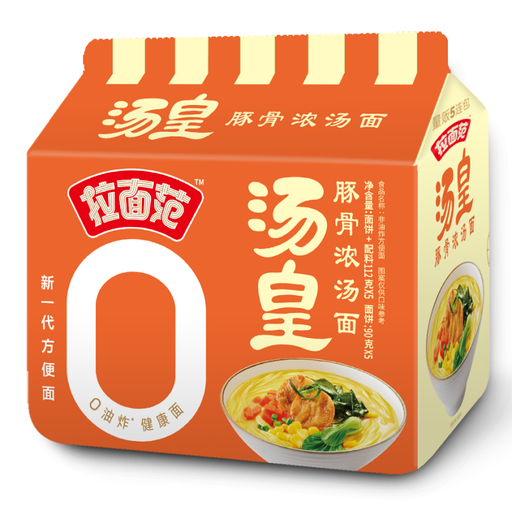
Why this fits the profile: A bulk pack is practical for households that eat instant ramen regularly and want to keep several portions in stock.
By checking the number of portions (five) and the total weight of 560g in advance, you buy more purposefully than with individual cups.
Five portions of 112g each, non-fried noodles according to the product description, and separate soup, oil and vegetable sachets.
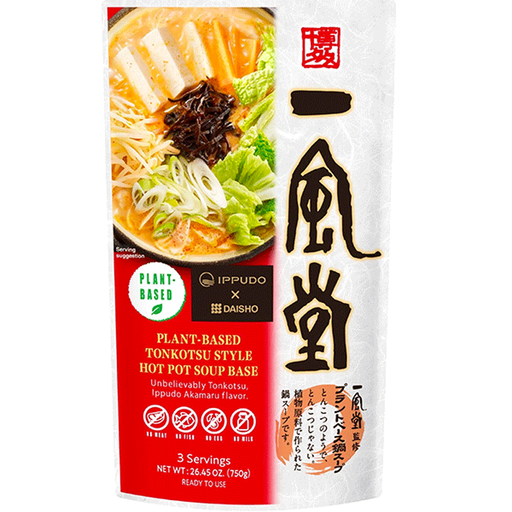
Why this fits the profile: Ideal for anyone who wants to make their own ramen or hotpot with their own vegetables, meat and Japanese noodles.
You decide the amount of noodles, toppings and water yourself. This means you’re not tied to one fixed cup portion.
Liquid tonkotsu soup base of 750g, designed to be diluted with water and used for ramen or hotpot.
We’ve put together a full, up-to-date list of products that fully meet these strict selection criteria and comply with current European safety regulations.
Tonkotsu ramen is a Japanese ramen style centred on a savoury pork broth. With instant ramen, “tonkotsu” can also refer to pork flavour, pork aroma, pork extract or a blended base. So read the ingredients list when the origin and composition of the broth matter to you.
With a cup, you usually add boiling water up to the indicated line. Then you leave the ramen to stand for a few minutes and add the soup base. With some products, the sachets must be added in a specific order. A 5-pack or pan variety may require a different amount of water and cooking time. Always follow the instructions on the packaging.
Unopened instant ramen should generally be stored in a cool, dry place away from direct sunlight. The exact best-before date is on the packaging. Check the date and packaging on receipt, especially when buying a bulk pack. An opened soup base or liquid pack may have additional storage instructions, such as refrigeration after opening.
