
Vandaag of morgen in huis

Kwaliteit gegarandeerd

Welkomstaanbiedingen ontgrendelen: GRATIS bezorging | Tot 80% korting | Gratis 30 dagen JoyPlus-proefperiode
Download de app
A bowl of tonkotsu ramen is known for its savoury, creamy flavour, with pork broth as its starting point. But products in supermarkets and online vary widely. Some packs contain two portions, while others are designed for stocking up. There are also differences between Japanese ramen, instant ramen, cups and noodles with an artificial pork broth flavouring.
So don’t judge by an appealing product photo alone. The points below can help you avoid a disappointing purchase.
The terms “tonkotsu-style” and “pork bone flavour” don’t automatically mean the broth has been simmered for a long time with pork bones. Some products use flavourings, soya, yeast or plant proteins, and flavour enhancers. For example, the product information for Itsuki Kumamoto Black Garlic Tonkotsu Ramen states “animal-free” and lists soya and wheat protein among the ingredients in the soup base.
If you want to avoid animal ingredients, check the full ingredients list. If you’re looking for a product containing pork, check for allergens and look for pork, pork extract or lard in the ingredients. The product name alone isn’t enough to be sure.
A ramen multipack is handy for students, families or stocking the cupboard. But a pack of 30 portions may not suit someone who only eats ramen occasionally. Check the number of portions, the weight per portion and the best-before date on the pack. That way, you won’t end up paying for more than you can use in time.
With instant ramen, the flavour often comes in one or more sachets. A cup is quick to prepare, while cooking ramen in a pan gives you more control over the bite of the ramen noodles and the amount of broth. Check the cooking instructions too: some products only need boiling water, while others need to boil for three to five minutes.
A pack such as Higashimaru Tonkotsu-Style Ramen contains two portions, weighing 157 grams in total. The instructions and nutritional information are given per portion. A cup, such as Lamianfan Tonkotsu Ramen, is designed for a quick single serving made with boiling water. Packs of five or twelve are more practical for a household, but first check that the individual portions suit your mealtimes.
Most tonkotsu noodles contain wheat. Soya and sesame are also common in the soup base or oil. The 157-gram Higashimaru variety lists wheat, soya and sesame as allergens. The Bai Xiang bowl lists wheat, soya and celery.
If you have an allergy, always check the current packaging, even if you’ve bought the same brand before. Recipes and labels can change. Also, look out for the difference between “pork broth ramen” and products that only contain pork broth flavouring.
Instant ramen is usually a complete noodle meal with a soup base, but nutritional values can vary considerably between brands. Higashimaru Tonkotsu-Style Ramen lists 4,8 grams of salt per portion. Nissin Raoh Salt Tonkotsu Ramen lists 4,7 grams of salt per portion. Use the nutrition table to compare products, and consider adding less of the flavour sachet if you want to adjust the intensity.
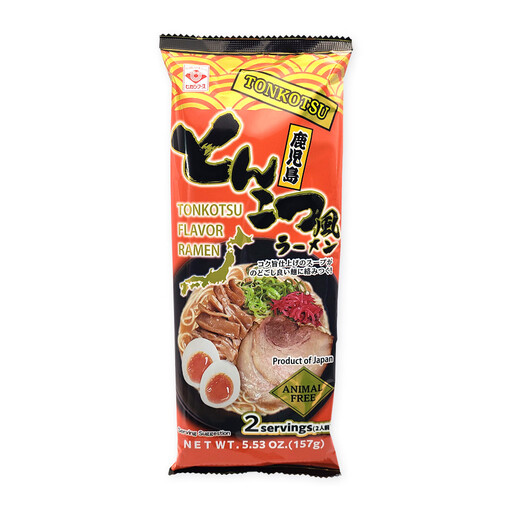
Why it suits this profile: The pack contains two portions, making it a manageable option if you want to try tonkotsu ramen without buying a large multipack straight away.
The number of portions and nutritional values per portion are clearly stated. The product information lists wheat, soya and sesame as allergens.
Two portions, Japanese wheat noodles and a pan-cooking method suited to a quick meal.
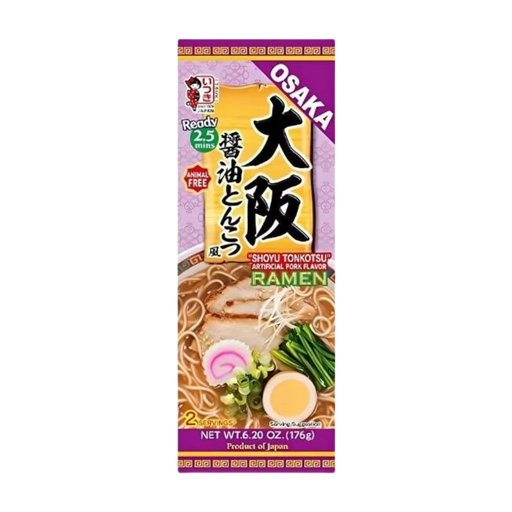
Why it suits this profile: According to the product description, this Japanese ramen combines tonkotsu and shoyu. The noodles and separate flavour sachets are cooked in a pan.
The flavour profile is clearly described as shoyu tonkotsu. The pack also lists wheat, soya and sesame as allergens.
Made in Japan according to the product information, with a 176-gram pack and a cooking time of around three to four minutes.
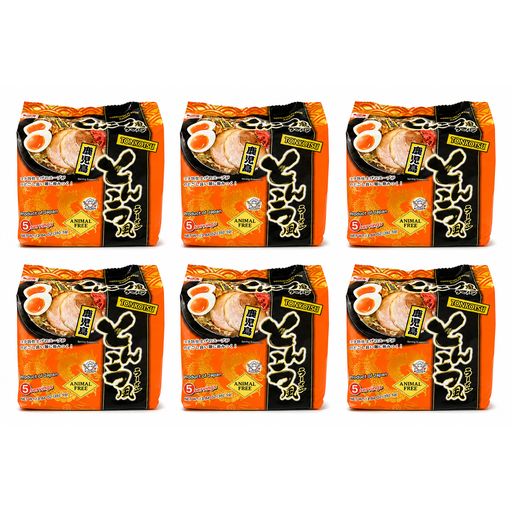
Why it suits this profile: With five portions in each pack and six packs in total, this is a practical choice for households that want to keep ramen noodles in stock.
The total pack size makes it clear how much you’re buying. Ingredients include wheat, palm oil, soya and sesame; check the pack for the current allergen information.
Japanese origin according to the product information, 30 portions in total and dry packaging suitable for storage in a cool, dry cupboard.
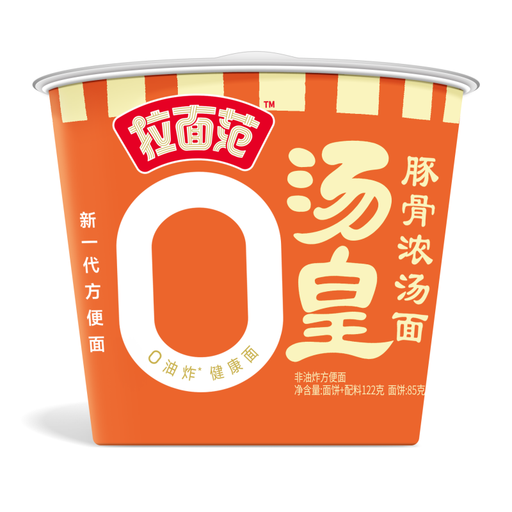
Why it suits this profile: The cup is designed to be prepared with boiling water and takes around three minutes, according to the product information.
The portion is individually packed and the preparation steps are clearly explained. The allergens are wheat and soya.
A 122-gram cup, non-fried noodles according to the product description, and separate sachets for soup, oil and vegetables.
You can add spring onions, a soft-boiled egg, sweetcorn, nori or pak choi to your bowl. With spicy tonkotsu ramen, a fresh topping such as spring onion works well alongside the warming broth. For a different flavour, try miso tonkotsu ramen, such as Itsuki Kyoto Miso Tonkotsufu Ramen, or shoyu tonkotsu ramen with notes of soy sauce.
If you’d like to make up your own broth, a separate soup base can also be handy. According to the product information, DAISHO Japanese Hot Pot Soup Base Ippudo Tonkotsu Style is suitable for hotpot, noodle soup and ramen. Check the listed allergens: soya, wheat, pork and chicken.
We’ve put together a complete, up-to-date list of products that meet these strict selection criteria and the applicable European safety regulations.
It depends on the product. Noodles made in a pan usually need to cook for three to four minutes in around 500 millilitres of water. For a cup, add boiling water up to the fill line and leave it for around three minutes. Add the soup and oil sachets as directed on the pack.
Store unopened dried ramen noodles in a cool, dry place, away from sunlight and moisture. Always check the best-before date on the pack. Once opened, it’s best to use the contents straight away, especially if the sachets or packaging no longer seal properly.
Tonkotsu refers to a pork bone broth flavour profile. Instant ramen is the broader category of noodles that are quick to prepare. So a tonkotsu product can be instant ramen, but its ingredients may range from pork-based ingredients to flavourings and plant-based flavour components.
