
Vandaag of morgen in huis

Kwaliteit gegarandeerd

Welkomstaanbiedingen ontgrendelen: GRATIS bezorging | Tot 80% korting | Gratis 30 dagen JoyPlus-proefperiode
Download de app
A bowl of tonkotsu ramen can be on the table in minutes, but products vary considerably. One pack contains a cup that’s ready in three minutes, while another offers two portions and needs to be cooked in a pan. The terms “pork bone” and “tonkotsu-style” don’t always mean that the product actually contains pork bone broth.
For shoppers in the Netherlands, there are three main pitfalls to watch out for: misleading flavour descriptions, unclear portion sizes and ingredients that only become apparent when you check the label. This buying guide compares instant tonkotsu ramen on practical points such as preparation, pack size, origin and allergens.
Traditionally, tonkotsu refers to a creamy Japanese broth made with pork bones. In instant products, however, the flavour is recreated in different ways. Some varieties contain pork extract or pork flavouring; others rely mainly on soya, oil, yeast and flavour enhancers.
So, check the exact product description:
Brands can make their own claims about their products, but these aren’t automatically independent assessments. Always check the ingredients list and nutritional information on the packaging.
A full-bodied flavour can come from oil powder, soya, hydrolysed plant protein, yeast extract and flavour enhancers. That isn’t necessarily a problem, but it’s a good reason to check the ingredients. If you’re specifically looking for ramen with pork bone broth, check whether pork extract or a similar ingredient is listed.
Some products are labelled “artificial pork bone soup flavour” or “pork-style seasoning”. This indicates that the flavour may come from flavourings and spices.
A ramen cup is handy for work, study or when you’re out and about. According to the product information, the 122g Lamianfan cup is ready after adding boiling water and waiting three minutes. A multipack is a better option if you eat ramen regularly, but takes up more storage space.
When choosing a ramen multipack, check:
A pack of 12 bowls might seem like good value, but it’s less suitable if you only eat ramen occasionally.
Many ramen noodles contain wheat or gluten and soya. Sesame is also common in the soup base or oil. Some products also list egg, milk, chicken, pork, fish or shellfish.
Nutritional values vary too. For example, the Lamianfan 5-pack lists 6.0 grams of salt per 100 grams, while the Itsuki Osaka Shoyu Tonkotsu contains 6.8 grams per 100 grams according to the product information. Use these figures to compare products, and if you have allergies, always check the latest label on the packaging.
Cups and non-fried noodles are practical for a quick Asian-style meal. Check whether the noodles need to soak for three minutes or cook in a pan for three to four minutes. With some packs, you add the soup seasoning after cooking. This can affect the flavour and texture.
Thin ramen noodles cook quickly. Udon is thicker and, according to the product description, has a firmer, chewier texture. The Lamianfan Tonkotsu Udon 5-Pack is therefore a different option from classic tonkotsu ramen noodles.
Japanese products such as Itsuki, Higashimaru and Nissin are described as Japanese products. Other varieties are made in China or have a different responsible party within the EU. Origin isn’t a guarantee of quality, but it can help you make a more informed choice.
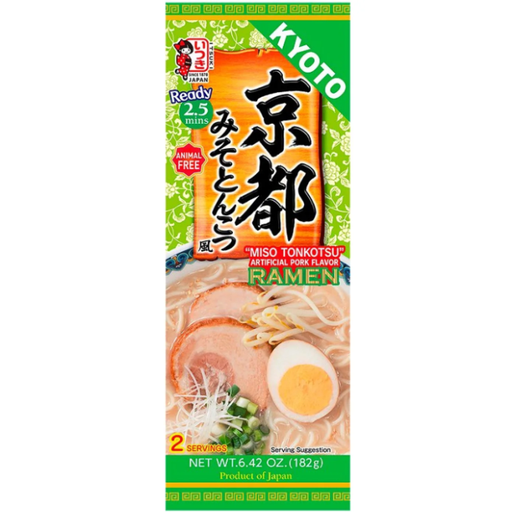
Why it suits this shopper: A compact pack for anyone who wants to try a miso tonkotsu flavour profile without buying a large quantity straight away.
The ingredients list makes it clear that the soup contains miso, soya, sesame and flavour enhancers, among other ingredients. This lets you check the flavour and allergens in advance.
182 grams per pack and a clear miso base; easy to customise with egg, spring onions or seaweed.
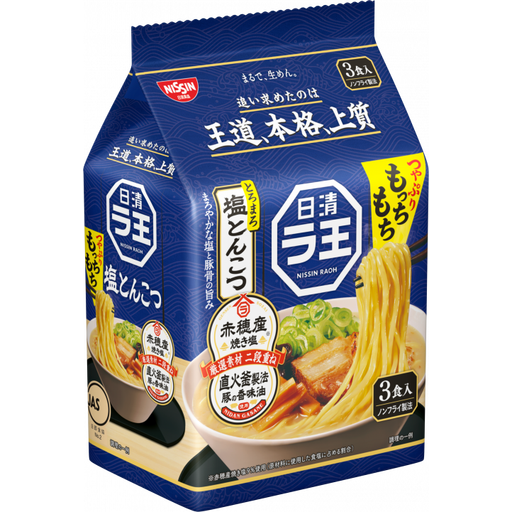
Why it suits this shopper: A 3-pack from a Japanese brand for anyone who cares more about flavour and ingredients than simply finding the lowest price per portion.
The product information lists separate nutritional values for the noodles and soup base. It also lists wheat, egg, milk, sesame, soya, chicken and pork as allergens.
Three portions, 86 grams per portion and a salt content of 4.7 grams per portion according to the product details.
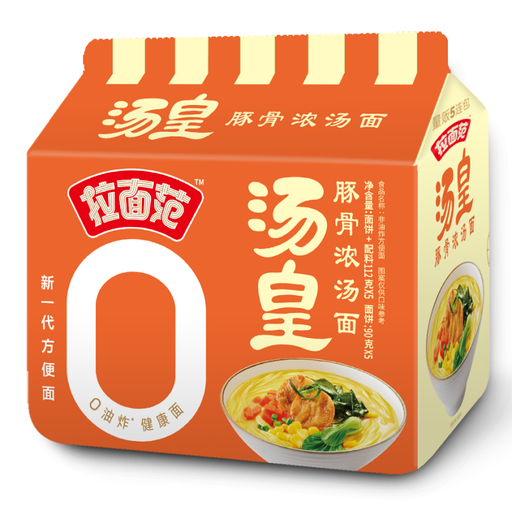
Why it suits this shopper: A value pack with five individual portions for households, students or ramen fans who enjoy it regularly.
The number of portions and total weight of 560 grams are clearly stated. This makes it easier to compare the pack size with individual cups.
Five 112-gram portions, non-fried noodles according to the product description, and separate sachets of soup seasoning, oil and vegetables.
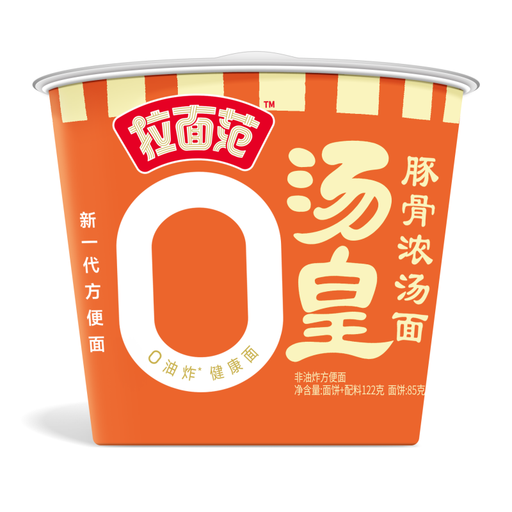
Why it suits this shopper: The cup is designed to be prepared with boiling water and left to stand for three minutes, with no pan or extra bowl needed.
The product information includes the preparation steps, the 122-gram weight and the allergens wheat and soya.
Cup format, three-minute preparation and separate sachets of soup seasoning, oil and vegetables.
We’ve put together a complete, up-to-date list of products that meet these strict selection criteria and comply with current European safety regulations.
Instant ramen is usually intended as a starting point. Add a boiled egg, spring onions, sweetcorn, pak choi, seaweed or mushrooms to taste. For more texture, try udon or fresh vegetables. If the soup base is strongly flavoured, don’t automatically use all the seasoning or oil sachets. Add them a little at a time and taste as you go.
Check the preparation instructions too. One variety calls for about 500 ml of water, while the Lamianfan udon instructions specify 550 ml. Too little water makes the broth saltier and more concentrated; too much dilutes the flavour.
No. Tonkotsu refers to a traditional flavour and broth profile, but instant products may use “pork-style” flavouring, pork extract or plant-based flavourings. Check for ingredients such as pork extract, pork flavour and soya, as well as any allergens.
Follow the best-before date on the packaging. Store the products in a cool, dry place away from direct sunlight. Once opened, reseal the pack properly according to the product instructions. Prepared ramen should be eaten straight away.
It depends on the price per portion, the weight and how much you’ll actually use. A multipack is practical if you eat ramen regularly. A cup may be more suitable if convenience is your priority or you want to try a flavour first.
