
Vandaag of morgen in huis

Kwaliteit gegarandeerd

Welkomstaanbiedingen ontgrendelen: GRATIS bezorging | Tot 80% korting | Gratis 30 dagen JoyPlus-proefperiode
Download de app
Asian noodles are ideal for a quick meal, but there is a lot of choice. Chinese noodles, Korean noodles, Vietnamese rice noodles, glass noodles and instant noodles vary considerably in ingredients, preparation and texture. Choosing the wrong type can result in sticky noodles, an overly salty meal or a packet that is far larger than you need for everyday use.
So don’t just rely on flavour images or terms such as “traditional”. Above all, check the ingredients, weight and preparation method on the product page and packaging.
“Ramen”, “wok noodles” and “vermicelli” do not refer to one fixed composition. Ramen are usually wheat noodles, while vermicelli can be made from mung beans, rice or wheat starch. Always check the ingredients section.
With a wheat product, gluten is an important consideration. Some products also contain soya, sesame, peanuts, milk or shellfish. Instant noodles with flavour sachets in particular may contain several allergens.
A 1 or 2 kg bag may look attractively priced, but it is mainly practical for families, meal prep or regular cooking. For a student or a household that likes variety, a 300 to 500 gram pack may be more convenient.
With a multipack of instant noodles, you should also check the number of portions and the weight per portion. For example, the ACECOOK pack contains 24 packs of 127 grams. That is suitable for building up a stock, but less logical if you only eat instant noodles occasionally.
Glass noodles usually need to be soaked first and then boiled briefly. Vietnamese rice noodles often require a combination of soaking and boiling. Instant noodles are quicker, but the flavour sachets can contain relatively high levels of salt, fat or flavour enhancers. So read the nutritional information per 100 grams as well as the preparation instructions.
Choose based on the dish and your diet:
For food products, look out for the allergens shown in bold on the label. For example, the product description for Jing Xian Fang Glass Noodles states that they contain 97% wheat starch and 3% pea starch, and identifies wheat as an allergen.
Thin noodles such as longxu noodles cook quickly and work well with a light broth or simple sauce. Thicker noodles often hold their shape better in a wok or hearty soup. Wide noodles are suitable for dishes where you want the sauce to cling clearly to the noodles.
Also check the cooking time. According to the product information, Bai Xiang Longxu Noodles require approximately 5 to 6 minutes of boiling. Sunlee Yellow Chinese Noodles are boiled for 2 to 4 minutes according to the description and then rinsed with cold water.
Dried noodles should generally be stored in a cool, dry place away from direct sunlight. Once opened, a well-sealed storage container is useful for limiting moisture and odours. Check the best-before date on the packaging, as this can vary from batch to batch.
With large 1.36 to 2 kg bags, it is sensible to work out in advance how much you will actually use. A smaller pack may result in less waste, while a large pack can be cost-effective for families or frequent use.
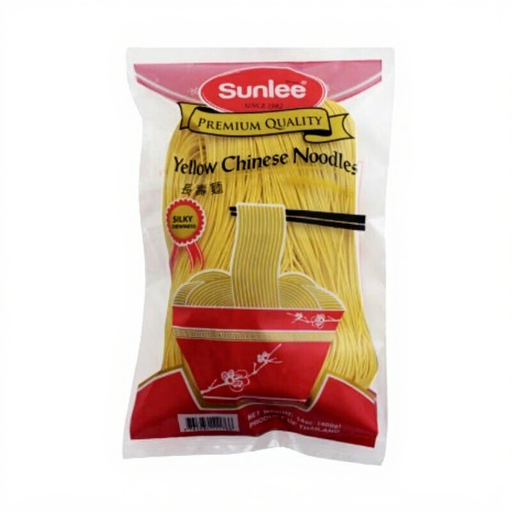
Why it suits this profile: A manageable pack for anyone trying Chinese noodles or wok noodles for the first time.
The weight is smaller than that of bulk packs, and the preparation time is clearly stated.
400 grams; ingredients are wheat flour, water, salt and turmeric; suitable for soups and wok dishes.
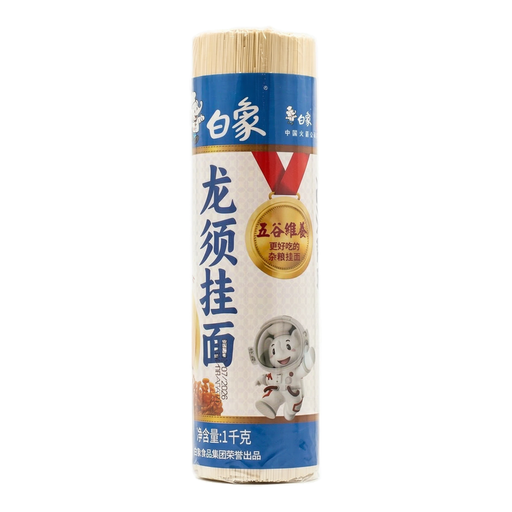
Why it suits this profile: The thin wheat noodles are designed for quick preparation and a firm bite.
The ingredients list mentions only wheat flour, so you don’t have to interpret a long list of additives.
1 kg pack; 100% wheat flour according to the product information; cooks in approximately 5 to 6 minutes.
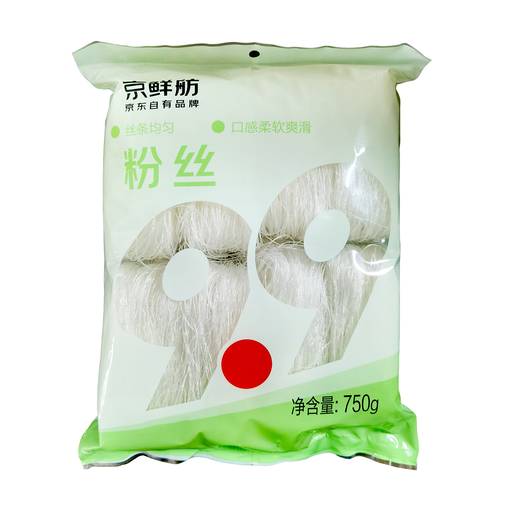
Why it suits this profile: Suitable for anyone wanting one staple noodle to use in soups, salads, spring rolls and stir-fries.
The product information clearly states that soaking followed by brief boiling is required.
750 grams; 97% wheat starch and 3% pea starch; absorbs flavours well.
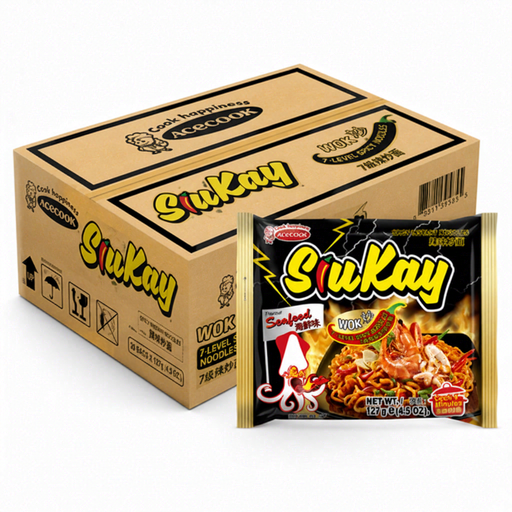
Why it suits this profile: A bulk pack for stocking up, sharing or those moments when you need to cook quickly.
The packaging states the number of individual packs, the weight per pack and the seafood ingredients included.
24 × 127 grams; spicy seafood flavour; according to the ingredients list, contains prawn, fish and squid extract.
We have put together a complete, up-to-date list of products that fully meet these strict selection criteria and the applicable European safety regulations.
Chinese noodles, egg noodles and some Korean noodles are practical choices for wok cooking. Boil or soak them according to the packaging instructions and rinse them beforehand if necessary. This helps them stay separate while stir-frying. Thick noodles work well with robust sauces, while thin noodles are suitable for lighter wok dishes.
Rice noodles are made from rice flour and are often white and soft. Glass noodles become translucent when cooked and are made from starch, such as mung bean or wheat starch. Check the ingredients, as the name “glass noodles” does not always tell you which type of starch has been used.
Store them in a cool, dry, airtight place. For large packs, you may wish to note the date they were opened. Do not keep cooked noodles for longer than stated in the product instructions; always follow the label and ideally use cooked noodles straight away.
