
Vandaag of morgen in huis

Kwaliteit gegarandeerd

Welkomstaanbiedingen ontgrendelen: GRATIS bezorging | Tot 80% korting | Gratis 30 dagen JoyPlus-proefperiode
Download de app
Asian noodles come in a wide range of shapes, ingredients and pack sizes. Chinese wheat-flour noodles are ideal for a quick stir-fry, while soba, glass noodles and shirataki noodles require different textures and preparation methods. If you only look at the packaging or a term such as “light”, it is easy to buy a product that does not suit your dish.
The most common buying pitfalls are:
The right choice starts with how you plan to use them. Pay attention to the following features.
Always check the ingredients list and allergen information. Many Chinese, Japanese and Korean noodles are made from wheat flour and therefore contain gluten. Buckwheat noodles are not automatically gluten-free either, if they are made with wheat flour.
Examples:
When a product makes claims about fibre, protein or a “healthy” composition, the nutritional table is the verifiable source. A brand description is not a substitute for the official product information.
For stir-fries, you want noodles that do not fall apart easily. Dried noodles should generally be partially cooked first, briefly rinsed and then added to the hot wok. This prevents them from becoming too soft during stir-frying.
For noodle soups, it is important that the noodles retain their shape and do not release too much starch into the stock. Thin somen noodles, Chinese wheat noodles and some soba noodles are suitable for light broths. Thicker udon noodles provide a more substantial bite.
Glass noodles are often soaked in warm water first and then boiled briefly. Shirataki noodles are an exception: according to the product information, they are ready to use after rinsing and heating. Always follow the instructions on the packaging and do not eat noodles raw when cooking is recommended.
Compare products per 100 grams, but also look at the total pack size. A 200-gram bag is suitable for trying a product for the first time. For families, meal prep or catering, packs of 1 to 2 kilograms may be more practical.
Pay attention to:
“Zero fat” simply means that the nutritional label states 0 grams of fat per 100 grams. It does not automatically mean that a complete meal is light: sauce, oil, toppings and stock all count too. With instant noodles, it is especially important to check the flavour sachets included.
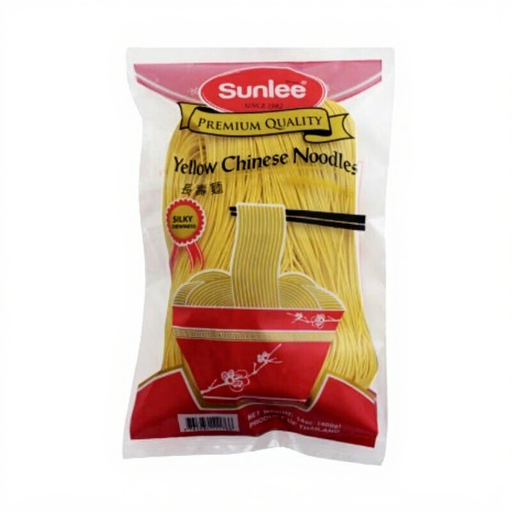
Why this suits the profile: A versatile pack for anyone using Chinese noodles in soups or stir-fries for the first time. According to the product information, preparation takes 2 to 4 minutes.
The ingredients list is straightforward: wheat flour, water, salt and turmeric. The gluten allergen is stated, so you can check in advance whether it is suitable.
400 grams, suitable for soups and stir-fries; cooking time of 2-4 minutes according to the product information.
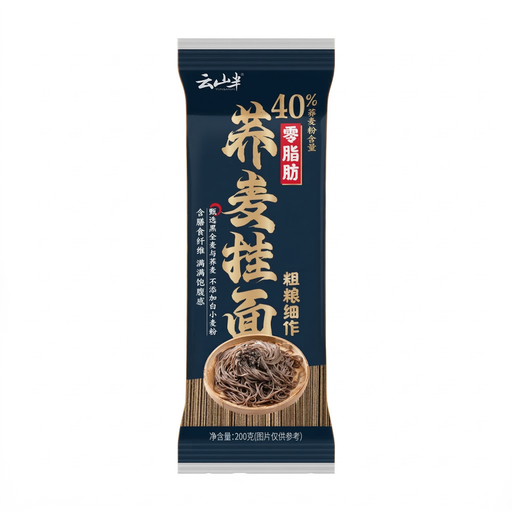
Why this suits the profile: For anyone who pays close attention to ingredients and is looking for noodles with a clearly stated buckwheat percentage. These noodles work well in hot dishes and cold salads.
The buckwheat percentage is explicitly stated as 40%. Wheat is also clearly listed as an ingredient and allergen.
0 grams of fat per 100 grams according to the nutritional label; 40% buckwheat flour; cooking time of 3-5 minutes.
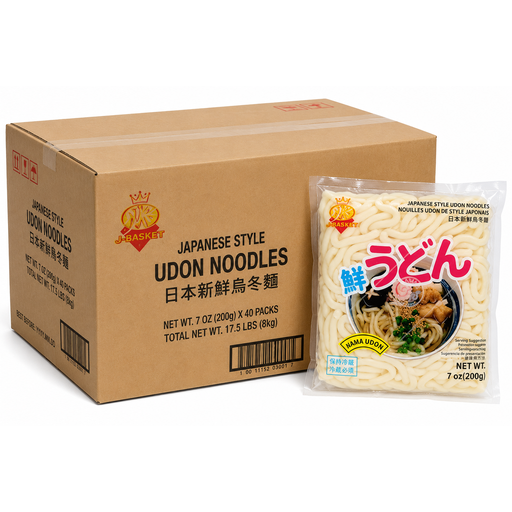
Why this suits the profile: A bulk pack containing 30 individually wrapped 200-gram portions. This makes it suitable for catering, food service, large families or anyone who prepares udon frequently.
The portions are individually wrapped. This makes measuring out servings easier than with one opened bag, but check the available refrigeration and shelf-life information beforehand.
30 portions of 200 grams; thick, soft udon texture according to the product description; suitable for soups, stir-fries and cold salads.
We have put together a complete, up-to-date list of products that fully meet these strict selection criteria and the applicable European safety regulations.
Chinese noodles, thin Korean noodles, udon noodles and some buckwheat noodles are suitable for stir-fries. Briefly boil dried noodles first, then fry them with vegetables, tofu, egg or meat. Thick udon provides a substantial texture, while glass noodles mainly absorb the flavour of the sauce.
No. Many soba and buckwheat noodles also contain wheat flour. Always check the ingredients list and allergen label. Only an explicit gluten-free claim, combined with suitable product information, provides clear confirmation.
The shelf life is stated on the packaging and varies by product. Unopened dried noodles can often be stored for months in a cool, dry place. Once opened, an airtight container is advisable. For fresh noodles and opened shirataki noodles, follow the manufacturer’s specific instructions.
