
Vandaag of morgen in huis

Kwaliteit gegarandeerd

Welkomstaanbiedingen ontgrendelen: GRATIS bezorging | Tot 80% korting | Gratis 30 dagen JoyPlus-proefperiode
Download de app
If you're looking to buy rice noodles, the choice might seem straightforward. However, in shops and online you'll find rice vermicelli, rice sticks, glass noodles and mung bean vermicelli all sitting side by side. The packaging often lists the same dishes, yet the cooking time, texture and ingredients can vary considerably.
The most common buying mistakes are:
Thickness is one of the most important buying criteria. Also consider the base ingredient and the preparation method.
The names Vietnamese rice noodles, Thai rice noodles and rice sticks aren't always used consistently. So check the millimetre measurement on the packaging.
Rice noodles are often made from rice or rice flour, water and sometimes tapioca or starch. Tapioca can make the texture more elastic. A product made with mung bean starch is a different type of noodle and is usually sold as glass noodles or mung bean vermicelli.
If you're looking for gluten-free noodles, you need to read the ingredients list and allergen declaration. Several products in the range don't list any of the 14 major EU allergens, but that doesn't automatically apply to all Asian noodles. For example, Jing Xian Glass Noodles lists wheat. The product packaging is the deciding factor for allergies or food intolerances.
A bag of 250 to 500 g is practical for a household that cooks Asian food occasionally. For meal prepping, a large family or regular hotpot meals, a 750 g, 908 g or 1 kg pack may be more convenient.
Also pay attention to the preparation instructions. Some noodles only need soaking, while others require a brief boil. After soaking, you can sometimes rinse them and add them straight to a salad or stir-fry. Follow the instructions on the pack to avoid a texture that's too soft or too firm.
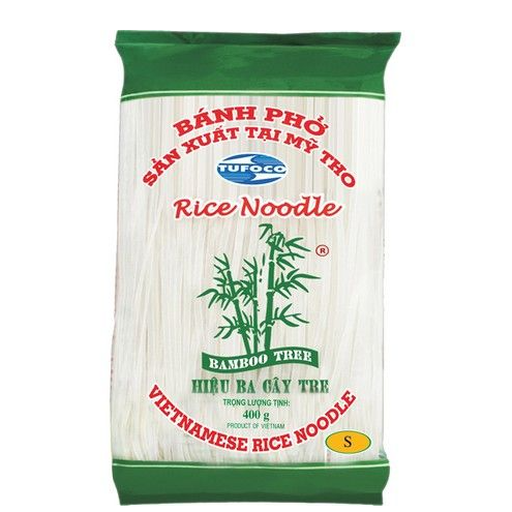
Why this fits the profile: The 400 g pack is a manageable starting point for anyone wanting to try Vietnamese dishes, soups or salads without buying in bulk straight away.
The 1 mm thickness is clearly stated, so you won't accidentally use this fine noodle as a wide pad thai noodle.
According to the product information, the noodle contains 72% rice, tapioca and water. The packaging does not list any of the 14 major EU allergens.
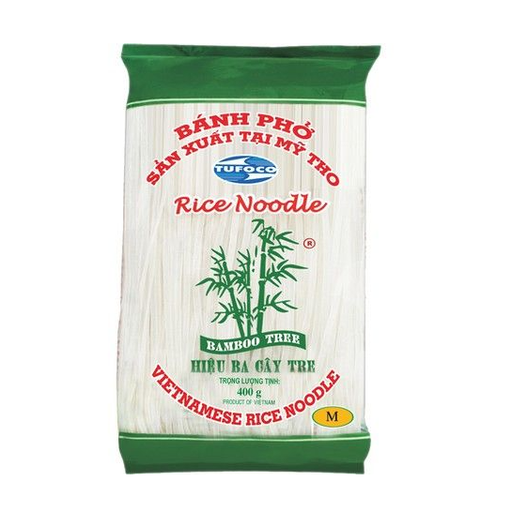
Why this fits the profile: The medium-width shape offers a practical balance between bite and quick preparation for stir-fries, soups and rice noodle meals.
The 3 mm specification makes the difference from fine vermicelli clear. This lets you match the noodle to a sauce or stir-fry dish with a bit more structure.
According to the product information, this variant is made from 72% Vietnamese rice, tapioca and water, with 400 g per pack.
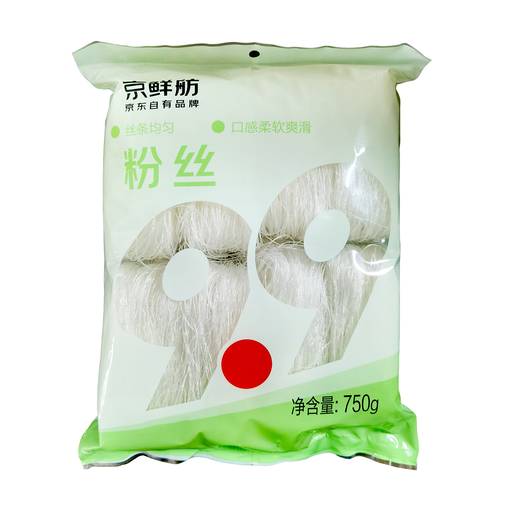
Why this fits the profile: The large pack is ideal for anyone who regularly makes soups, salads, spring rolls, stir-fries or hotpot.
The ingredients list 97% wheat starch and 3% pea starch. This makes it clear that it is not a gluten-free rice noodle.
The pack contains 750 g. According to the product information, the glass noodles are suitable for soup, stir-frying, salads and spring rolls.
We've put together a full, up-to-date list of products that fully meet these strict selection criteria and comply with current European safety regulations.
Before cooking, check whether the noodles need soaking, boiling or both. A practical method:
For noodles for pad thai, medium-wide or wide rice sticks are usually more suitable than very fine vermicelli. For noodles for pho and light broths, fine rice noodles generally work better. Glass noodles are a good choice when you want a transparent, springy texture.
No. Many rice noodles are made from rice flour and water and are labelled as gluten-free. Other products in the same category may contain wheat starch. So always check the ingredients list, allergen information and the actual packaging.
Dried noodles generally have a long shelf life when stored in a cool, dry place away from direct sunlight. The exact date is on the packaging. Seal an opened bag tightly and don't use the product if the packaging is damaged or has absorbed moisture.
Choose a pack of 400 g or larger and match the thickness to your dishes. A 3 mm variant is versatile. For regular use, packs of 750 g or more are practical, while fine vermicelli is best for salads, soups and spring rolls.
