
Vandaag of morgen in huis

Kwaliteit gegarandeerd

Welkomstaanbiedingen ontgrendelen: GRATIS bezorging | Tot 80% korting | Gratis 30 dagen JoyPlus-proefperiode
Download de app
Asian noodles are ideal for a quick meal, but the differences between buckwheat noodles, rice noodles, vermicelli, shirataki noodles and instant noodles are substantial. Packaging may suggest an authentic flavour or a “healthy” choice, while the ingredients list tells a different story.
This buying guide compares Asian noodles using verifiable information: types of flour, allergens, nutritional values, serving size, preparation and packaging. That way, you can avoid a disappointing purchase and find noodles suited to Chinese, Japanese or Korean dishes.
Many soba and buckwheat noodles contain wheat flour in addition to buckwheat. For example, Jin Sha He Buckwheat Noodles contain at least 30% buckwheat flour, but also wheat flour, with wheat listed as an allergen. According to the product information, Ottogi Buckwheat Noodles also contain 56% wheat flour and 30% buckwheat flour.
If you are looking for gluten-free noodles, do not rely on the product name alone. Check the complete ingredients list and allergen information. Shirataki noodles made from konjac may be an alternative; City Aroma lists water, konjac flour and calcium hydroxide as ingredients and states that none of the 14 major EU allergens are present.
A noodle product containing 0 grams of fat may still be high in salt or carbohydrates. Nutritional values can also vary considerably in ready-to-eat products with sauces and seasoning sachets. For example, Tian Xiao Hua Bowl Pack lists 15 grams of fat and 1,200 mg of sodium per 100 grams for noodles plus sauce, despite being described as “zero-fat noodles”.
Always check whether the nutritional information applies to the dry noodles alone or to the complete product, including sauce. With an instant meal, consider using less of the seasoning sachet and adding vegetables, tofu or egg.
A 1 kg bag is practical if you eat noodles regularly, but less suitable if you want to try different textures. Dried Chinese noodles such as Bai Xiang Longxu Noodles have a long shelf life and are suitable for stocking up. A multipack of instant rice noodles is convenient for quick lunches, but takes up more space and often contains separate flavouring sachets.
Compare the price per 100 grams, the best-before date and your typical consumption. For households of one or two people, packs of 200 to 500 grams can offer greater flexibility.
The name of a noodle does not always reveal the proportions of its ingredients. With buckwheat noodles, it makes a difference whether they contain 15%, 20% or 30% buckwheat flour. A higher buckwheat content may produce a darker colour and nuttier flavour, but the noodles are not automatically gluten-free when wheat is present.
Also pay attention to:
Nutritional values are only directly comparable when they are based on the same format. Dry wheat noodles often contain around 330 to 350 kcal per 100 grams, while water increases their weight during cooking without adding energy. According to its product information, City Aroma lists 7 kcal and 1.7 grams of carbohydrates per 100 grams for its shirataki noodles.
This makes shirataki an option for anyone specifically looking for low-calorie noodles, but their texture and neutral flavour differ from wheat or rice noodles. For every product, also check the salt content, particularly with instant varieties containing soup or sauce.
Preparation time has a direct impact on convenience:
Briefly rinse cooked noodles with cold water when using them in a cold salad. For soup, you can usually serve them immediately so they retain more heat.
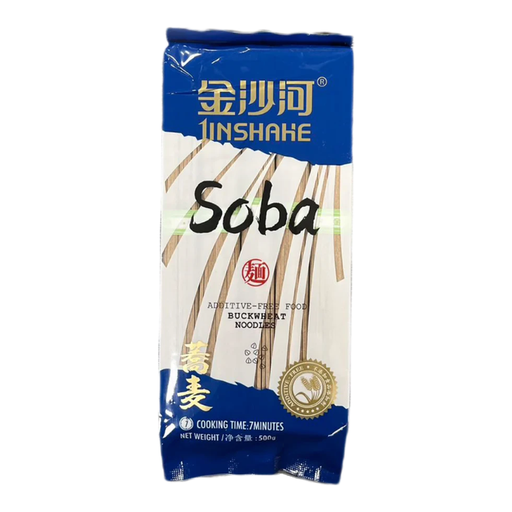
Why it’s a good fit: A medium-sized pack for anyone who wants to prepare a range of Chinese or Japanese dishes at home without immediately buying a 1 kg supply.
The product clearly states that it contains at least 30% buckwheat flour and lists wheat as an allergen. You therefore know that these are not gluten-free noodles.
500 g pack; 5 g of fibre and 12 g of protein per 100 g of dry product, according to the listed nutritional information.
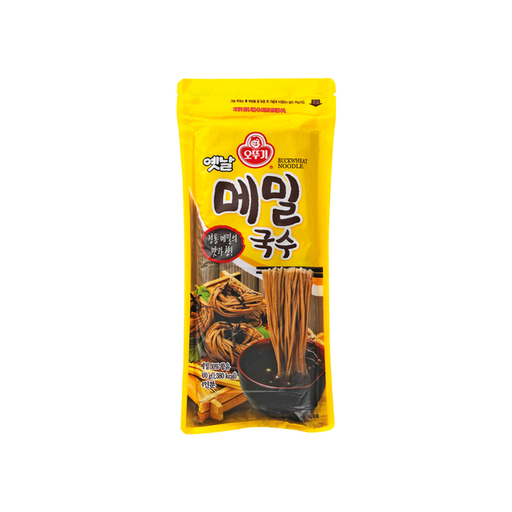
Why it’s a good fit: Korean buckwheat noodles for cold noodle dishes, broth-based meals and recipes where a firm, satisfying bite is desired.
The proportions are stated on the label: 56% wheat flour and 30% buckwheat flour. This removes any ambiguity created by the product name.
400 g pack, with 12 g of protein per 100 g and a stated cooking format suitable for everyday use.
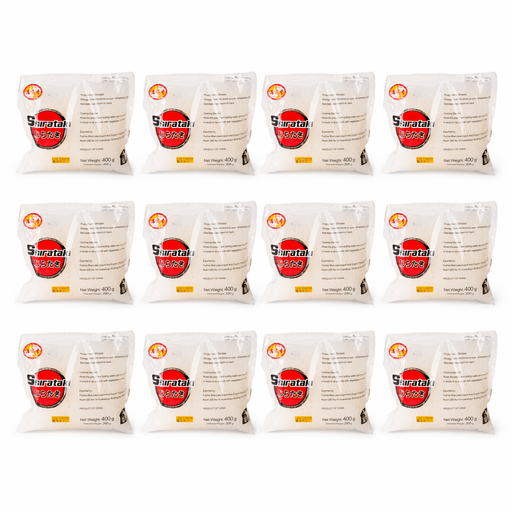
Why it’s a good fit: A multipack for anyone who regularly wants to use low-calorie, vegan and, according to the product information, gluten-free noodles in stir-fries, soups or salads.
The nutritional information lists 7 kcal and 1.7 g of carbohydrates per 100 g. Do check the sauce or toppings you add.
400 g per pack, ready after rinsing and heating; the product information also lists 1.6 g of fibre per 100 g.
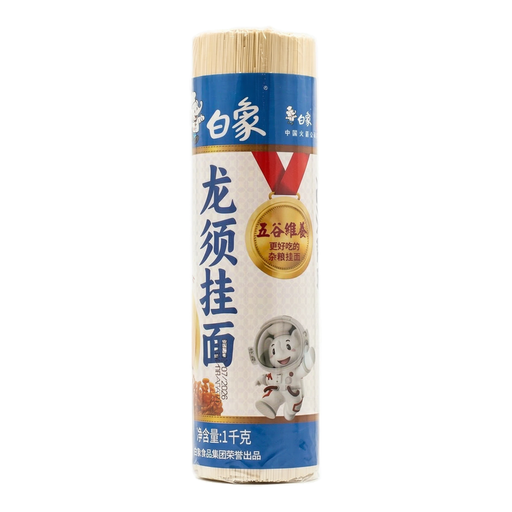
Why it’s a good fit: A large bag of dried Chinese noodles for families, meal preppers and fans of quick soups and stir-fries.
The ingredients list names wheat flour only. It is therefore immediately clear that this is not a blend containing hidden buckwheat or a gluten-free variant.
1 kg capacity and a stated cooking time of 5 to 6 minutes; suitable for soups, sauces or stir-fries.
For a quick meal, instant rice noodles such as Oh! Ricey or AKuan Mianyang are practical choices. Pay particular attention to salt, allergens and the nutritional value of the complete serving. For stocking up on dried noodles, Bai Xiang Buckwheat Noodles 1 kg, Baixiang Oatmeal Noodles 1 kg and Wheatsun Buckwheat Noodles 300 g ×2 are sensible formats.
If you are looking for vermicelli for Vietnamese spring rolls, salads or stir-fries, consider Vermicelli with Added Mung Bean GD 210 g. According to the product information, this product consists primarily of potato, tapioca, pea and mung bean starch and does not list any of the 14 major EU allergens.
Browse our current range and compare Asian noodles by ingredients, allergens, packaging and preparation method.
That depends on the ingredients. Buckwheat noodles often contain wheat and are therefore not gluten-free. Rice noodles, some vermicelli and shirataki noodles may be gluten-free, but always check the label and information about possible cross-contamination. For allergies, the allergen information on the packaging is decisive.
According to City Aroma’s product information, these shirataki noodles contain 7 kcal and 1.7 grams of carbohydrates per 100 grams. This does not automatically apply to a dish prepared with oil, sauce or toppings. Rinse the noodles and heat them according to the instructions on the packaging.
Store unopened dried noodles in a cool, dry place away from direct sunlight. Check the date on the packaging. Seal an opened bag tightly and preferably use the product within a reasonable period. Fresh or liquid-packed noodles have different storage requirements; always follow the instructions on the label.
