
Livraison le jour même et le lendemain

Qualité garantie

Débloquez vos offres de bienvenue: Livraison GRATUITE | Jusqu'à -80 % | 30 jours d'essai gratuits à JoyPlus
Téléchargez l'application
A 10 kg bag of basmati rice might seem like a simple choice at first. But the packaging, type of rice and cooking method can all make a big difference to how you use it and the cost per portion. A bulk pack is a good option for households, restaurants and caterers, but only if you can store the rice properly and use it regularly.
Look out for these three common pitfalls:
Read on to find out which specifications matter and which packs suit different needs.
If you’re looking for extra-long basmati rice, you’ll usually want long, slender grains that stay separate after cooking. Product descriptions often use terms such as ‘fluffy’, ‘non-sticky’ or ‘separate grains’. These describe the expected results when cooked, but they are not a guarantee: rinsing, the water-to-rice ratio and cooking time still matter.
Long grains can be an appealing choice for basmati rice for biryani, pilaf and pulao, particularly for presentation. For curries, a loose texture is especially useful, as it helps stop the rice clumping when you add the sauce.
Golden Sella is parboiled basmati rice. According to India Gate’s product description, the rice is partially processed before it is packaged. This can help the grains stay firmer during cooking and stirring, which can be useful when preparing large quantities for buffets and catering.
Regular white basmati is often a sensible choice for everyday use. Always check the ingredients list: the products mentioned here are made with basmati rice, while pre-processed varieties are clearly labelled as parboiled.
Don’t just compare the price of each bag: work out the price per kilogram. A 10 kg pack is good value when you can use the rice within a reasonable amount of time. A 5 kg pack may be more practical for a small household, while 10 kg or more could be a better fit for a large family, restaurant or caterer.
Store the bag in a cool, dry place, away from direct sunlight and moisture. Once opened, it’s best to transfer the rice to an airtight storage container. Before buying, check the best-before date on the packaging, and don’t use a product if its packaging is damaged.
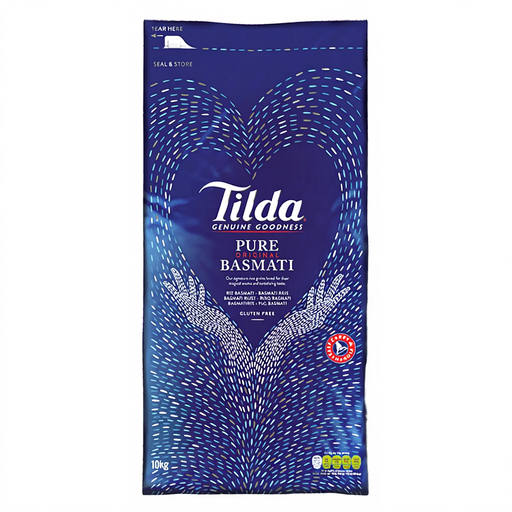
Why it suits this type of shopper: The 10 kg pack is a good option for households that eat rice regularly and don’t want to keep buying small bags. According to the product information, it contains basmati rice with no added preservatives.
The net weight and ingredients are clearly stated. Be sure to keep the opened bag airtight to limit exposure to moisture and odours.
10 kg bulk pack; suitable for everyday use and a range of rice dishes.
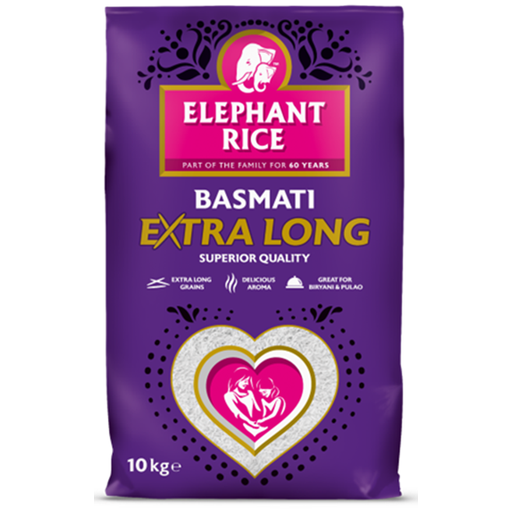
Why it suits this type of shopper: The product description says the rice has extra-long grains, a natural aroma and a loose texture when cooked. That makes it a good match for biryani, pilaf, pulao and curries.
The product information specifies the grain type, suggested uses and net weight. This helps you match the marketing term ‘extra long’ to specific product details.
10 kg; extra-long basmati rice; described as suitable for dishes where you want the grains to stay separate.
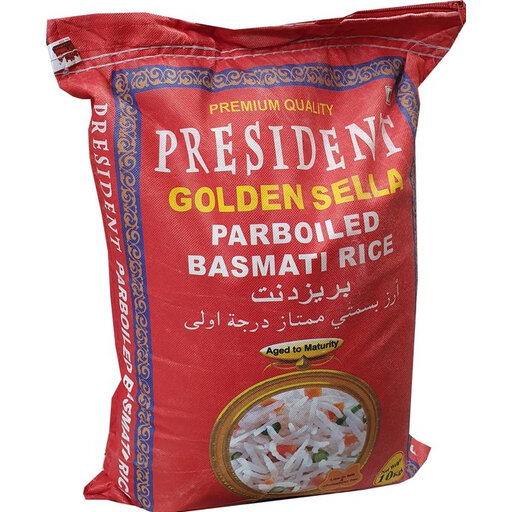
Why it suits this type of shopper: According to the product information, this large pack is intended for frequent use. It is parboiled Golden Sella basmati rice, a type often chosen for biryani, buffets and cooking in larger quantities.
The variety is clearly labelled as parboiled rice. So you’re not just buying a large bag, but a specific type of rice that has been processed for particular uses.
20 kg bulk pack; parboiled basmati; ideal for cooking large quantities and achieving firm grains.
Good preparation matters more than the brand alone if you want a loose texture:
It depends on the price per kilogram, how much rice you use and how you store it. Work out the price per kilogram and compare it with 5 kg and 1 kg packs. A larger bag means fewer shopping trips, but it’s less practical if you don’t eat much rice or don’t have a dry place to store it.
Rice generally keeps for longer when stored in a cool, dry and airtight place. The exact shelf life is shown on the packaging. Check the smell, appearance and condition of the packaging before cooking. Always follow the manufacturer’s instructions.
For curries, you can choose regular aromatic basmati rice that, according to the product information, cooks up fluffy and non-sticky. Extra-long rice or Golden Sella may be a good fit for biryani and larger quantities. As well as checking the product name, follow the cooking instructions and try out the water-to-rice ratio first.
We’ve put together a complete, up-to-date list of products that meet these strict selection criteria and current European safety regulations.
