
Vandaag of morgen in huis

Kwaliteit gegarandeerd

Welkomstaanbiedingen ontgrendelen: GRATIS bezorging | Tot 80% korting | Gratis 30 dagen JoyPlus-proefperiode
Download de app
Buying basmati rice seems simple, until you are faced with a shelf or online range containing dozens of varieties. Words such as premium, extra long and aromatic sound appealing, but do not always tell you how the rice will turn out in your pan. The wrong choice can result in sticky grains, too much stock or packaging that is difficult to keep fresh after opening.
This practical buying guide helps you compare basmati rice based on the features that really matter: grain length, processing, packaging and intended use.
A description such as premium basmati rice is not a universal quality classification. Instead, look for verifiable information on the product page or packaging:
Claims about aroma, flavour or texture often come from the brand’s product description. Treat them as product information, not as a guaranteed result in every kitchen.
A 10 kg bag of basmati rice can be cost-effective for families, caterers and restaurants, but it requires enough dry storage space. Once opened, an airtight storage container protects the rice from moisture and cooking vapour more effectively than a loosely rolled-up bag.
For occasional use, 400 g, 1 kg or 5 kg packs are more practical. This helps prevent the rice from being left open for too long and losing its aroma.
For biryani or pilaf, you generally want long, separate grains that retain their shape. A parboiled variety such as Golden Sella basmati rice may be worth considering, as the product description says that the grains retain their structure better during cooking and tossing. For a quick meal, precooked rice may be more convenient, but it has a different composition and preparation method from dry rice.
Extra-long basmati rice is recognisable by its long, slender grain. Some product descriptions state that the grain expands further during cooking. Exact length and expansion can vary between products, so do not use this as your only measure of quality.
For a light, fluffy result, these factors are particularly important:
This increases your chances of achieving light, non-sticky rice, regardless of the brand.
Always check the ingredients list. A dry variety will generally list only basmati rice; precooked products may contain ingredients such as oil and salt.
Use the following guide:
Always compare the price per kilogram. A smaller bag may appear cheaper, while a larger pack may work out better value per portion. Also check that the weight shown on the product page matches the packaging you receive.
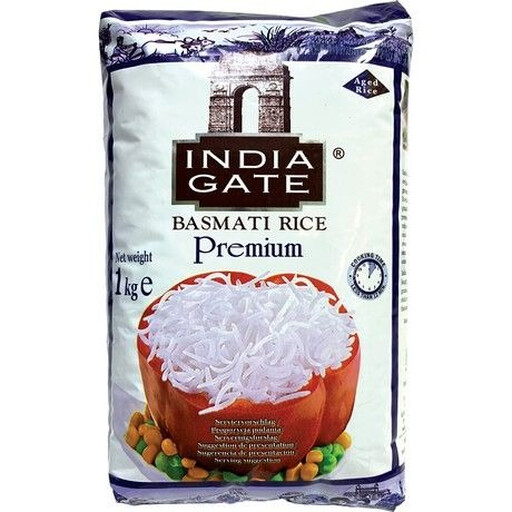
Why it suits this profile: The 1 kg pack is easy to manage for small households or if you want to try basmati rice first.
You are not committing to a large bag straight away. The product information states that it is a 1 kg pack suitable for biryani, pulao and everyday meals.
1 kg pack; long grain; described in the product information as aromatic and non-sticky when cooked.
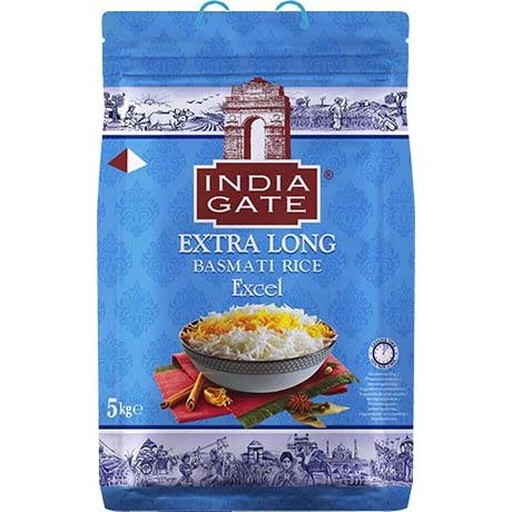
Why it suits this profile: The extra-long grain and 5 kg pack suit home cooks who want to combine presentation with a useful supply of rice.
The product page clearly states the grain variety, net weight and suitable dishes. This allows you to assess the choice against your own cooking habits.
Extra-long grain; 5 kg pack; listed as suitable for biryani, pulao and special meals.
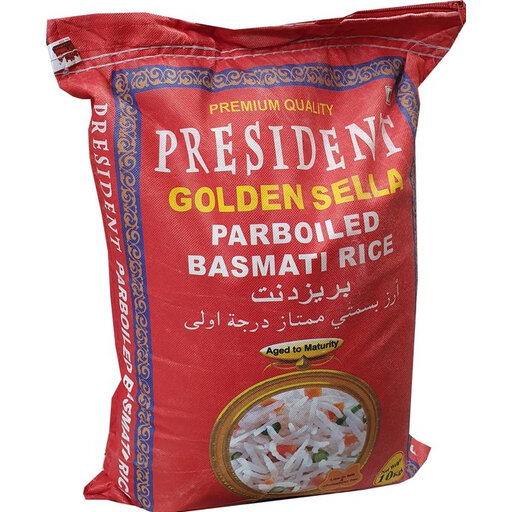
Why it suits this profile: The Golden Sella variety and large pack are intended for biryani, large gatherings, restaurants and catering.
The parboiled processing makes it clear that this is not ordinary white basmati. The large bag is only suitable for users with appropriate dry storage.
100% parboiled basmati rice according to the product information; long grain; intended for biryani, curry and high-volume use.
We have put together a complete, up-to-date list of products that fully meet these strict selection criteria and the applicable European safety regulations.
Store the bag in a cool, dry and dark place, away from moisture and heat. Once opened, a resealable storage container is practical. You may wish to note the opening date, particularly for a pack of 10 kg or more.
The cooking method varies by brand. For example, Tilda recommends 60 g per person, cooking for 10 to 12 minutes and then leaving the rice to rest for 3 minutes for its 5 kg variety. Always follow the instructions on your own packaging, as the water ratio and cooking time may differ.
Do not automatically wash rice when the packaging specifies a different method. For biryani, soaking beforehand may be part of the recipe; for a quick meal, this is usually less convenient. Also consider the quantity you need: dry rice expands during cooking, so even a small portion may be enough.
Choose a long or extra-long grain that, according to the product information, cooks up separate and aromatic. Golden Sella basmati rice is an option if you are looking for a parboiled variety that should retain its shape better when tossed. The right cooking technique remains important: rinsing, soaking if necessary and mixing gently.
As a practical guide, allow approximately 60 to 75 g of dry rice per person, depending on how much curry, vegetables or meat you are serving with it. Check the instructions on the packaging and adjust the portion for children, hearty appetites or a buffet.
Dry basmati rice can be stored for a long time when kept correctly, but always check the best-before date on the packaging. Moisture, heat and an open bag reduce quality more quickly. Therefore, do not buy 20 kg solely because of a lower price per kilogram if you will not use the supply in good time.
