
Vandaag of morgen in huis

Kwaliteit gegarandeerd

Welkomstaanbiedingen ontgrendelen: GRATIS bezorging | Tot 80% korting | Gratis 30 dagen JoyPlus-proefperiode
Download de app
Buying basmati rice seems straightforward, until you’re faced with a shelf or online range full of extra-long grains, Golden Sella, premium basmati rice and large bags. An attractive pack doesn’t always tell you whether the rice will suit your kitchen. So pay close attention to the product information, price per kilo and the dishes you want to use it for.
The term extra-long basmati rice mainly refers to the shape and length of the grains. It doesn’t automatically mean the rice is the right choice for every dish. Long, separate grains can be ideal for biryani and pilau, while for a quick midweek meal you might simply be looking for a practical pack size.
Also check whether the product description mentions ageing, aroma or a fluffy texture. These qualities vary between brands and varieties.
Golden Sella basmati rice is parboiled basmati rice. This process often gives the grains a golden-yellow colour and a firmer texture. That can be useful in dishes where the rice needs to hold its shape during cooking and mixing.
Regular white Indian rice and Golden Sella aren’t the same product. So don’t just look for the word basmati: check the processing method and ingredients list too.
A 1 kg bag of basmati rice can seem like good value, but a 5 kg, 10 kg or 20 kg bag may work out at a different price per kilo. Always divide the total price by the net weight. Take your storage space, how much rice you use and its shelf life into account too. A large bag is less practical if it stays open for months in a warm or damp kitchen.
If you want separate grains of basmati rice, consider the following:
White basmati rice is often described as having a soft, fluffy texture. With Golden Sella, parboiling can produce a firmer grain that, according to the product description, is better able to withstand stirring and further cooking.
Always follow the instructions on the pack. There’s no universal water-to-rice ratio, and the recommended soaking time varies from product to product.
Choose a pack size to suit how you use rice:
Store rice in a cool, dry place away from direct sunlight. Seal an opened bag tightly or transfer the rice to an airtight storage container. Check the best-before information and current packaging each time you buy.
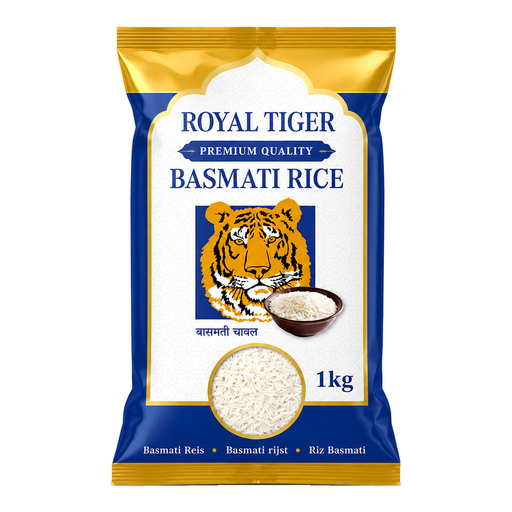
Why it suits this profile: The 1 kg pack is a manageable size if you’re trying basmati rice for the first time or don’t often keep rice in storage.
You don’t have to buy a large supply before you’ve assessed the grains, aroma and cooking results.
1 kg; according to the product information, long, slender grains suitable for curry, biryani and everyday meals.
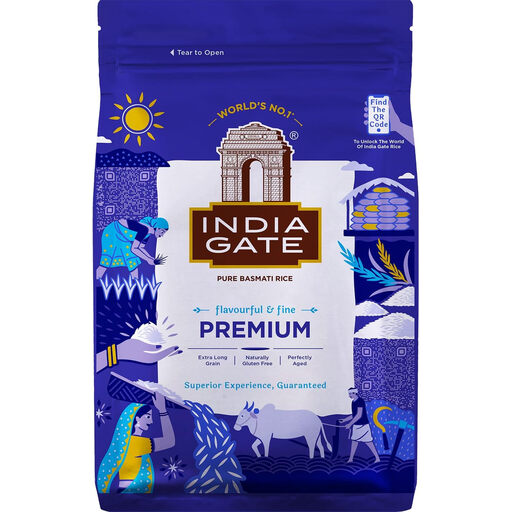
Why it suits this profile: A 5 kg pack is a good fit for households that cook regularly and value grain length and presentation.
The product information specifies extra-long grains and natural ageing, so you can compare these features with other varieties.
5 kg + 10% extra according to the product listing; recommended for biryani, pilau, kabsa and everyday use.
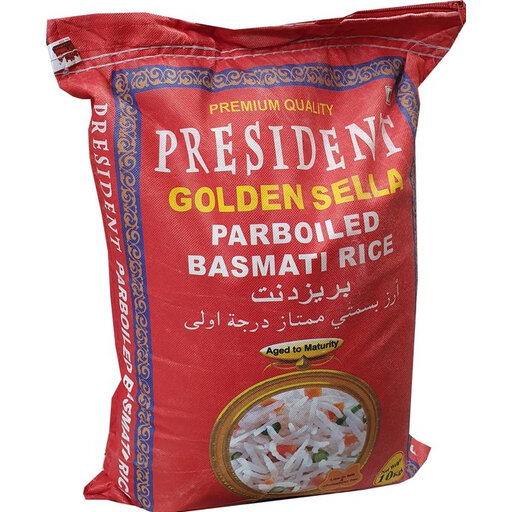
Why it suits this profile: This large bag is designed for high-volume use, such as by caterers, restaurant owners or large households.
The product name clearly states Golden Sella and parboiled basmati rice, so you won’t confuse this processing method with white basmati.
20 kg; parboiled basmati rice; according to the product information, suitable for biryani, curry dishes and cooking in large quantities.
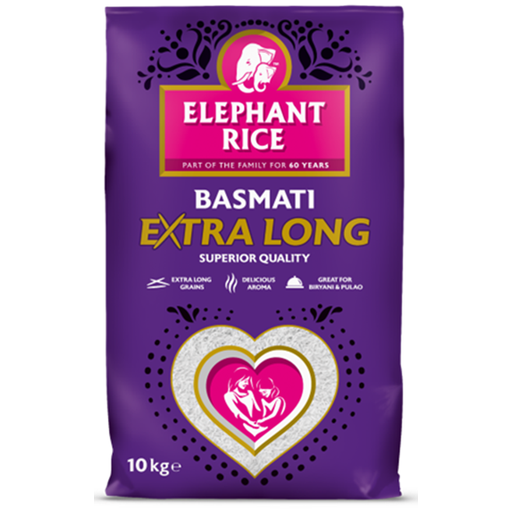
Why it suits this profile: A 10 kg bag provides a good supply for households that cook rice, pilau or biryani several times a week.
The weight and extra-long grain are clearly stated in the product name, making it easier to compare pack sizes.
10 kg; according to the product information, extra-long grains with an aroma, suitable for biryani, pulao, pilau and curry.
We’ve put together a complete, up-to-date list of products that meet these strict selection criteria and comply with current European safety regulations.
For a main course, allow around 75 to 100 grams of uncooked rice per adult. You may need less for a side dish. Check the brand’s cooking instructions, as grains can expand by different amounts during cooking.
Many cooking instructions recommend rinsing the rice until the water becomes less cloudy. Some products advise soaking it for 20 to 30 minutes, but always follow the label. Too much water or overcooking can make the grains less separate.
This depends on the best-before date, storage conditions and how well the bag is sealed. Store the rice in a cool, dry, airtight place. Use a clean, dry spoon and check the grains for moisture, odour or damage before use.
