
Vandaag of morgen in huis

Kwaliteit gegarandeerd

Welkomstaanbiedingen ontgrendelen: GRATIS bezorging | Tot 80% korting | Gratis 30 dagen JoyPlus-proefperiode
Download de app
Buying Asian rice might seem straightforward, until you’re faced with a shelf or online page full of dozens of varieties. Jasmine rice, basmati rice, pandan rice, sticky rice and Vietnamese rice all behave differently in the pan. And a big 10 kg bag of rice or 20 kg bag of rice isn’t automatically better value if you no longer enjoy the taste or texture after a few months.
With this practical guide, you can focus on rice type, origin, preparation and pack size. That way, you avoid paying for a flashy bag, a vague quality claim or a grain that simply isn’t right for your cooking.
Words like “fragrant”, “perfume” and “aromatic” usually refer to a scented rice variety. However, that doesn’t automatically tell you about the exact origin, grain length or texture. So always check the product information:
Thai jasmine rice, also known as Hom Mali on products that carry this name, is generally suitable for curries and everyday meals. Vietnamese ST25 rice can also be fragrant, but has its own grain and flavour profile.
A 5 kg bag of rice is often practical for a family that cooks Asian food regularly. A 10 kg, 18 kg or 20 kg bag of rice can be a good option for meal preppers, caterers, restaurant owners and large households. However, the bag takes up space and needs to be sealed properly after opening.
Store rice in a cool, dry place, away from direct sunlight and moisture. An airtight container helps to preserve the aroma and product quality better. Check the packaging is intact when you receive it, and always follow the information on the actual label.
Labels like Premium and AAA aren’t enough to base your choice on. Instead, look at verifiable details: rice type, country of origin, net weight, ingredients and cooking instructions. Claims about aroma, nutritional value or special processing should be read as the brand’s product information, not as a universally guaranteed result.
Jasmine rice is a natural choice for Thai curry, stir-fries, rice bowls and everyday meals. The grain usually becomes soft and slightly sticky after cooking. Products with “pandan” in the name often refer to a fragrance profile reminiscent of pandan; check the ingredients list to see whether it’s pandan rice or an aromatic rice variety.
Basmati rice has a longer, slender grain and is often used for biryani, pilaf and curry. A parboiled variety like Golden Sella may be described as aiming for a loose, non-sticky texture. Preparation varies by product, so use the ratio on the pack rather than a standard one for all rice types.
Sticky rice, also called glutinous rice, is intended for dishes where a cohesive, firm texture is desired. Think of Thai sticky rice dishes and certain desserts. This is not the same rice as ordinary jasmine rice. Only pre-soak or steam it when the packaging advises you to.
Vietnamese rice, including ST25, is often described in product information as long-grain and fragrant. Cambodian rice can also offer a soft, aromatic grain. The difference between brands can be noticeable, which is why origin, grain type and cooking instructions matter more than just the name on the front.
Brown rice and red rice generally have a firmer bite than white rice. Red rice is suitable for salads, rice bowls and hearty side dishes. Sunlee Berry Rice is described as a multigrain rice with a nutty flavour, in a 1 kg pack. These varieties work well for meal prep, but often need a longer cooking time than white long-grain rice.
Rice type and texture
Choose soft, slightly sticky jasmine rice for curry and many Thai meals. Choose basmati or dry long-grain rice when you want separate grains. For nasi and stir-fries, a less moist, cooled cooked rice can work better than freshly cooked soft rice.
Origin and ingredients
Check whether it says 100% rice and whether the origin matches your preference. For products with extra aroma or flavour claims, read the full ingredients list. Allergen information can vary per pack, so always consult the current label.
Weight and how often you’ll use it
A 1 kg bag is handy for trying an unfamiliar type first. A 4.5 or 5 kg pack is suitable for regular home use. A 10 kg to 20 kg bag of rice is better for heavy consumption, as long as you have enough dry storage space.
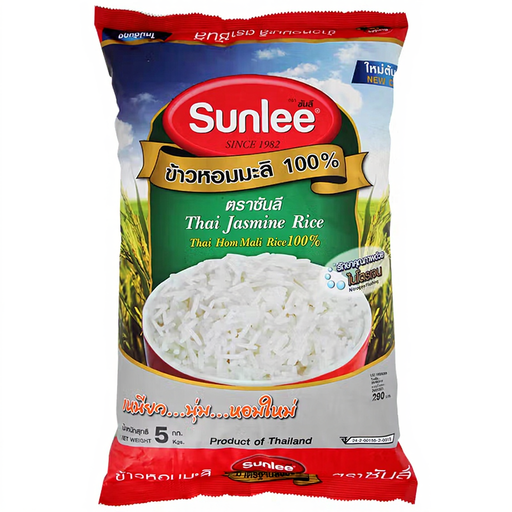
Why this fits the profile: The 5 kg pack offers a practical quantity for households that use jasmine rice regularly without needing to stock up in bulk.
The product information states 100% long-grain jasmine rice, origin Thailand and a specific 5 kg pack size.
Thai origin, long grain and suitable for stir-fries and desserts according to the product description.
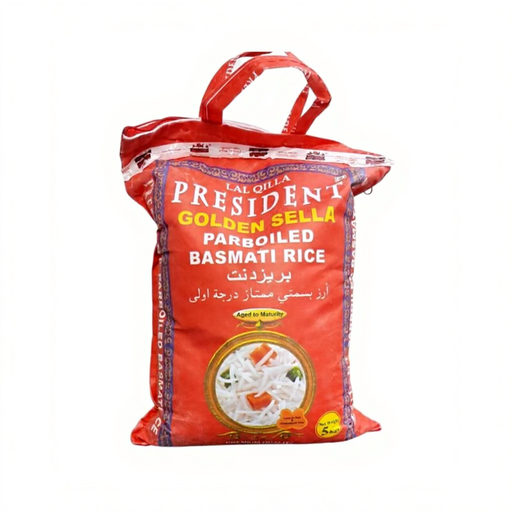
Why this fits the profile: This parboiled basmati rice is an option for those who want separate grains for biryani, pilaf and curry.
The rice type, parboiled processing and ingredients list with 100% parboiled basmati rice are clearly stated.
5 kg pack, long basmati grains and, according to the product information, aimed at a fluffy, non-sticky texture.
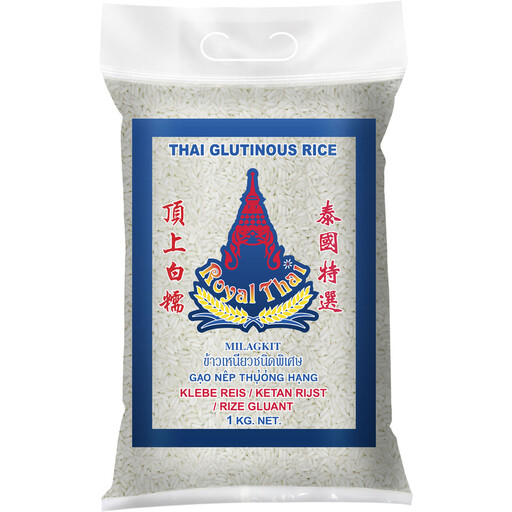
Why this fits the profile: This sticky rice is designed for dishes that need a firm, cohesive texture, rather than loose grains.
The name “glutinous rice” makes it clear that this is a different choice from ordinary jasmine rice for curry or nasi.
1 kg pack, Thai sticky rice and a firm texture according to the product information.
We’ve put together a full, up-to-date list of products that fully meet these strict selection criteria and comply with current European safety regulations.
For curry, soft, fragrant varieties like jasmine rice or Thai jasmine rice are often a good fit. If you prefer separate grains, you can choose basmati rice. Check the description and cooking instructions, as the water ratio and cooking time vary by product.
For nasi and stir-fries, long-grain rice often works well. Let cooked rice cool down first using a safe method, and store leftovers in the fridge promptly. A drier grain structure helps to stop the dish becoming too mushy.
A large bag can have a lower price per kilogram, but compare the current price per kilo and consider storage space, how much you use and shelf life. For occasional use, a 5 kg bag of rice is usually more practical; for restaurants, catering or a large family, a 10 kg to 20 kg bag of rice may make more sense.
