
Same-day & Next-day Delivery

Quality Guaranteed

Unlock Your Welcome Offers: FREE Delivery | Up to 80% OFF | Free 30-day JoyPlus trial
Download the APP
Looking for a more nutritious alternative to white rice, but feeling overwhelmed by the options? The rice aisle is expanding, with choices like whole grain, black, and red. It's easy to get lost among all the claims and varieties.
As a Joybuy Product Recommendation Officer, my job is to help you make a clear choice. In this article, I'll provide practical information on different types of whole grain rice and other healthy rice varieties. No marketing jargon, just objective facts, so you can find the rice that suits your taste and dishes.
Before we dive into the products, here are a few key points to consider that will help you choose.
The term 'whole grain' means the entire rice kernel is used: the germ, the bran, and the endosperm. This makes fiber-rich rice an excellent foundation for a nutritious meal. But there are several different types:
Not every rice is suitable for every dish. A grain that cooks up dry and fluffy is ideal for a pilaf, while a slightly stickier rice works better in a poké bowl.
Based on product specifications and applications, we've selected some popular choices available online.
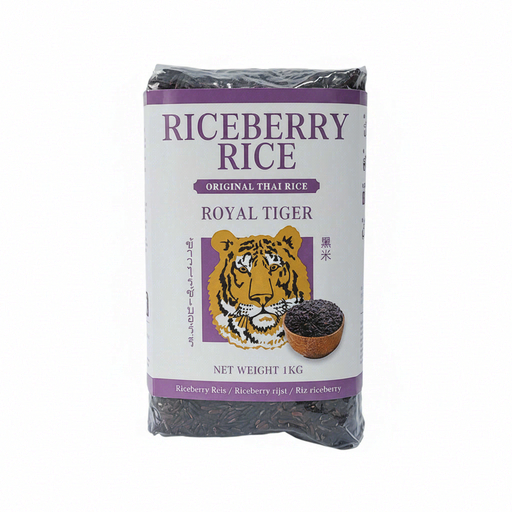
Why it stands out: This riceberry rice is a unique Thai hybrid that combines the best of both worlds. Its deep purple color makes any dish visually appealing, while its flavor and texture are more approachable than some other whole grain varieties.
Pros:
Who is it for? For home cooks looking for a nutritious and flavorful Thai rice that's a little different. Ideal for colorful bowls, salads, or as a side dish for Asian meals.
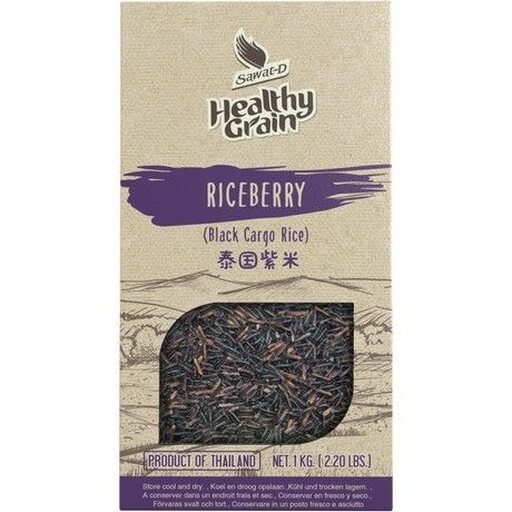
Why it stands out: This is a pure, unprocessed black rice. The term 'cargo rice' refers to the fact that the rice is unpolished, leaving the bran and germ intact. This results in a robust flavor and a firm, chewy bite.
Pros:
Who is it for? For the health-conscious foodie seeking a rice with a distinct texture and flavor. Perfect as a base for a nutritious rice for salads, in a mixed-grain porridge, or as a hearty side dish.
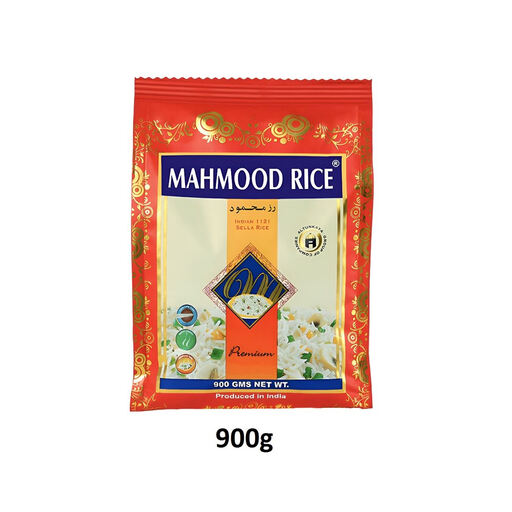
Why it stands out: While not technically a whole grain, Sella Basmati is an interesting option. The rice undergoes a special steaming process (parboiling) before the bran is removed. This allows nutrients from the bran to infuse into the kernel. The result is a more nutritious rice than white basmati, with an exceptionally light and fluffy texture.
Pros:
Who is it for? For fans of Indian and Middle Eastern cuisine who want the authentic texture of basmati but are also looking for a fiber-rich rice. A great choice if you're considering buying basmati rice for specific recipes.
A varied diet is key to a healthy lifestyle. Besides rice, there are plenty of other ways to add more fiber to your meals. If you want to stock your pantry with more nutritious staples, pasta is an excellent choice.
Also check out our range of whole wheat pasta for more nutritious meal ideas.
Whole grain rice contains the entire kernel, including the bran and the germ. These parts are rich in fiber, vitamins, and minerals. White rice is polished, a process that removes these nutritious layers. As a result, whole grain rice typically has a higher nutritional value and a lower glycemic index, meaning it causes a slower rise in blood sugar levels.
Both are whole grains. Brown rice is the most common type. Black rice is a specific rice variety that gets its color from a high content of anthocyanins, a type of antioxidant. Black rice often has a slightly sweeter flavor and a firmer texture than brown rice.
Whole grain rice generally requires a longer cooking time than white rice, typically between 30 and 45 minutes. The exact time can vary by type and brand. It's always best to follow the instructions on the package for the best results. After cooking, let the rice stand for 5-10 minutes with the lid on the pot; this helps the grains absorb any remaining moisture and become more tender.
