
Livraison le jour même et le lendemain

Qualité garantie

Débloquez vos offres de bienvenue: Livraison GRATUITE | Jusqu'à -80 % | 30 jours d'essai gratuits à JoyPlus
Téléchargez l'application
Wet wipes have become a staple in many households. They are convenient, fast, and hygienic. But the shelves are packed with options, from moist toilet paper to baby wipes and cleaning wipes. Unfortunately, this often leads to confusion and sometimes costly mistakes. Many products overpromise and underdeliver. Before you make a purchase, it's wise to know what to look for to avoid wasting money on wipes that cause irritation, clog sewers, or simply don't do what they promise.
The most common pitfalls are:
flushable but still cause blockages in the sewer system. This is because not all materials break down as quickly as standard toilet paper.sensitive skin can still contain perfume or other irritating substances. Without checking the ingredients list, it's a gamble.bulk pack might seem like a good deal, but if the wipes are small and thin, you'll need several for a single job. This ultimately makes the purchase more expensive.To make an informed choice, it helps to understand a few key specifications. These determine the quality, safety, and suitability of the wipes for your intended purpose.
The material of the wipe is crucial. Look for products that are plastic-free and biodegradable. These are often made from plant-based fibres and are a better choice for the environment.
For personal care, such as baby wipes or cleansing wipes, the composition of the liquid is just as important.
One of the biggest problems with moist toilet paper is its impact on the sewer system. To be sure a wipe can be safely flushed, look for the official INDA/EDANA logo on the packaging. Products with this certification have been tested and are designed to break down in water, significantly reducing the risk of clogs.
Important rule: Never flush more than one or two wipes at a time. Baby wipes and cleaning wipes are almost never flushable and should always be disposed of in the bin, even if they are biodegradable.
Not all wet wipes are created equal. Using the wrong type can be ineffective or even harmful.
flushable.Based on these criteria, we have selected a few products that suit different needs and households.
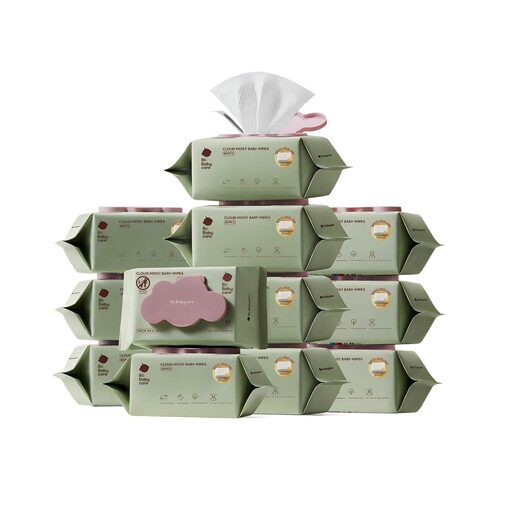
Why This Fits Their Persona: Ideal for parents looking for soft, safe, and reliable wipes for daily use. The bulk pack is practical, and the formula is designed for the most sensitive skin types, including newborns.
This product bypasses the vague "sensitive skin" claim with an OEKO-TEX certification and a formula that consists of 99% purified water. The wipes are 3x thicker than many standard wipes, so you're not left with thin, tearing wipes.
Made from 100% biodegradable, plastic-free fibres. The formula is fragrance-free and hypoallergenic. The extra thickness and moisture ensure an efficient clean.
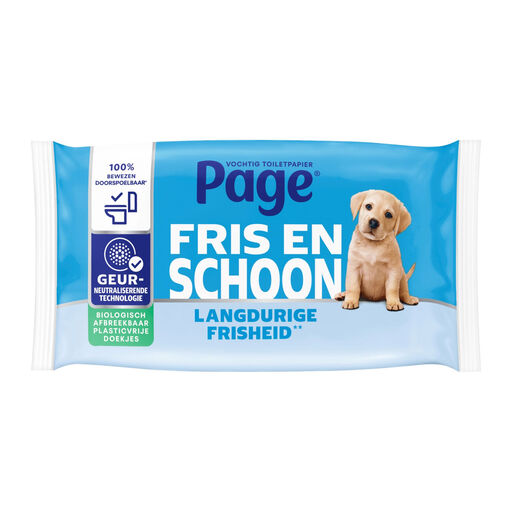
Why This Fits Their Persona: For those who want to combine a clean feeling with a responsible choice. This product targets users who value flushability and sustainability without compromising on freshness.
This product directly tackles the "flushable" myth. According to the manufacturer, Kimberly-Clark, the wipes meet the international INDA/EDANA standards for flushability, which reduces the risk of clogs.
The wipes are plastic-free and made from 100% natural fibres. The packaging is recyclable, and the product is pH skin-neutral and dermatologically tested.
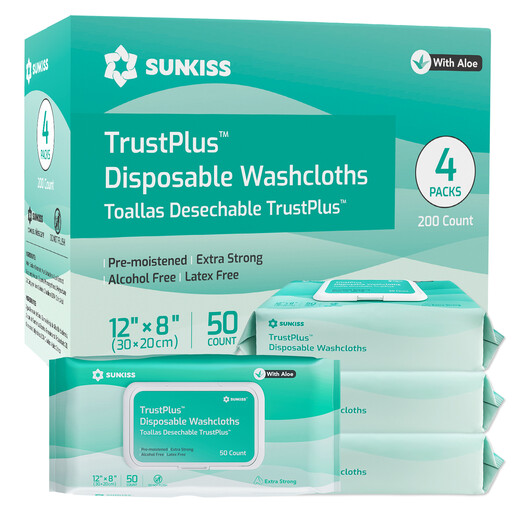
Why This Fits Their Persona: Designed for adult care, particularly for incontinence or bedridden individuals. These wipes offer a practical solution for a full-body wash without water.
This product avoids the pitfall of wipes being too small. With an extra-large size (20 x 30 cm), one wipe is often sufficient, making it more efficient than using multiple small wipes. The formula is specific to adult skin.
The wipes are pH-neutral, fragrance-free, and alcohol-free. Enriched with aloe vera and vitamin E for extra care. The resealable hard lid prevents them from drying out.
We've compiled a complete, up-to-date list of products that meet these selection criteria and current safety regulations.
Only moist toilet paper with an official INDA/EDANA logo on the packaging is designed to be flushed. These wipes are made from materials that disintegrate in water. Nevertheless, the advice is to flush no more than one or two at a time. Other wipes, such as baby wipes, cleansing wipes, and cleaning wipes, always belong in the bin to prevent blockages.
The main difference lies in the material, thickness, and flushability. Baby wipes are thicker, stronger, and contain more moisture for a thorough cleaning of a baby's skin. They are not designed to break down in water and are therefore not flushable. Moist toilet paper is thinner and made from fibres that do break down, making it suitable for flushing (in moderation).
The easiest way to keep wet wipes fresh is to always seal the package properly. Packaging with a hard, plastic lid is generally more effective than those with an adhesive strip. Additionally, store the wipes in a cool, dry place and avoid direct sunlight or heat sources, such as a radiator.
