
Livraison le jour même et le lendemain

Qualité garantie

Débloquez vos offres de bienvenue: Livraison GRATUITE | Jusqu'à -80 % | 30 jours d'essai gratuits à JoyPlus
Téléchargez l'application
Wet wipes are handy for a quick clean, changing a nappy when you’re out and about, or personal hygiene. However, not every pack is suitable for every use. A wipe designed for a kitchen worktop shouldn’t be used on a baby’s skin, and a product labelled “flushable” isn’t automatically suitable for every UK plumbing system.
As Joybuy Product Recommendation Officer, I focus on information you can check: material, intended use, number of wipes, packaging and usage warnings. This helps you avoid paying extra for a fragrance, a large pack or a claim that doesn’t suit your needs.
The term “multi-purpose” sounds convenient, but it doesn’t mean a wipe is suitable for both skin and surfaces. Cleaning wipes may contain cleaning agents or fragrance that aren’t intended for the face or bottom. Baby wipes, on the other hand, are often too mild for grease, limescale or stubborn dirt on floors.
So start by checking the intended use:
Some moist toilet wipes are described by the manufacturer as flushable. The product information may refer to a standard or test method, such as INDA/EDANA. This is information from the manufacturer, not a guarantee that every sewer or septic system will work without problems.
Many other wet wipes, including baby wipes and cleaning wipes, must not be flushed down the toilet. As a rule, put used wipes in the bin unless you’ve checked both the product instructions and your drainage system. Even a small wipe can cause a blockage when combined with other waste.
A multipack may seem like good value, but wet wipes dry out if the seal isn’t closed properly. A large pack is often practical for a family that uses wipes every day. For occasional use or travel, a smaller pack may help prevent waste.
Look for:
For people with sensitive skin, fragrance-free wipes, alcohol-free wipes and dye-free options are often useful search filters. However, these features don’t guarantee that irritation won’t occur. Always check the ingredients and stop using the wipes if you notice redness, itching or other discomfort.
Product information may include terms such as “dermatologically tested”, “allergen-free” or “suitable for sensitive skin”. Treat these as claims made by the brand or manufacturer, not as a universal guarantee. For babies, it’s sensible to try the wipes on a small area of skin first and avoid contact with the eyes and mouth.
If you’re concerned about the material, look for plastic-free cellulose or biodegradable wipes. Check whether the claim applies to the wipes, the packaging or both. “Biodegradable” also doesn’t mean you can flush the product down the toilet.
A thin wipe is more likely to tear during intensive use. A thicker or larger wipe may be more convenient when changing a nappy or cleaning a large surface. Specific details are more useful than general marketing language:
For example, BC Babycare Wet Wipes are described as three times thicker than many standard wipes and containing 3.8 times more moisture. These details come from the product description, so compare them with your needs and check the packaging.
For glass, residue and streaks are important considerations. For wooden floors, natural stone or painted surfaces, you should also check that the cleaning agent is suitable. Use disinfectant wipes only as directed on the label. A claim such as “removes 99.9% of bacteria” is, according to Dettol’s own information, a brand claim and shouldn’t be taken as a general guarantee for every situation.
Never use different cleaning products one after another without cleaning the surface again as instructed. Keep wipes out of reach of children and pets.
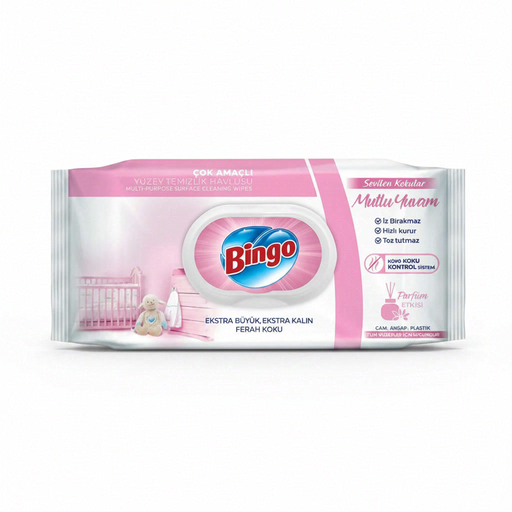
Why it suits this profile: A pack of 96 wipes is practical for everyday use on tables, worktops and other hard surfaces.
The product description clearly states that these wipes are for hard surfaces and have a plastic lid. Don’t use them as baby or facial wipes.
96 wipes, multi-purpose use on hard surfaces and resealable packaging, according to the product information.
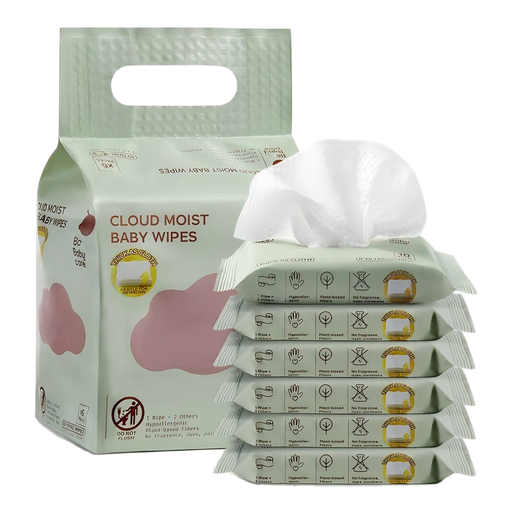
Why it suits this profile: The fragrance-free formula, OEKO-TEX certification according to the product information, and plant fibres may appeal if you like to check ingredients and materials before buying.
The product description states that the wipes are fragrance-free and advises using them externally and putting them in the bin after use.
60 wipes in six small packs, plant fibres and a stated thickness of three times that of many standard wipes.
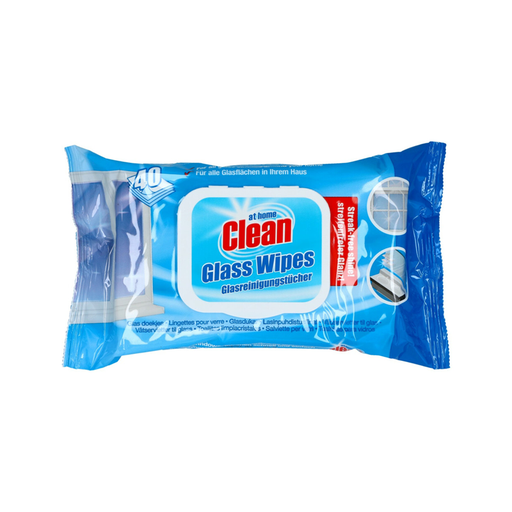
Why it suits this profile: For windows, mirrors and glass surfaces, a wipe made specifically for glass makes more sense than a general-purpose cleaning wipe.
The intended use is specifically for glass and windows. This reduces the chance of using an unsuitable product on other materials.
40 wipes, measuring 13 × 18 cm, and a moist microfibre design, according to the product specifications.
We’ve put together a complete, up-to-date list of products that meet these strict selection criteria and current European safety requirements.
Only if the packaging explicitly says you can. Check the usage instructions and local conditions too. Baby wipes, cleaning wipes, floor wipes and many other cleaning wipes belong in the bin. If in doubt, don’t flush them.
Close the flap straight after use and store the pack somewhere cool and dry, away from direct sunlight. Packaging with a sturdy lid or resealable tab will usually keep wipes moist for longer than an opened pack of loose film. Only buy large packs if you’ll use them regularly.
No. Being fragrance-free and alcohol-free are useful features to check, but the full ingredients list still matters. Try a new product on a small area first and stop using it if irritation occurs. Only use wipes for babies, the face or the body for the purpose stated on the packaging.
