
Vandaag of morgen in huis

Kwaliteit gegarandeerd

Welkomstaanbiedingen ontgrendelen: GRATIS bezorging | Tot 80% korting | Gratis 30 dagen JoyPlus-proefperiode
Download de app
Wet wipes are handy for baby care, toilet use, facial cleansing, cleaning and when you’re out and about. However, they vary considerably in material, ingredients, size and disposal instructions. A pack with lots of wipes may seem like good value, but it won’t always suit the way you use them. And a claim such as “flushable” doesn’t automatically mean that every toilet or sewage system can handle the same quantity without problems.
Baby wipes, moist toilet wipes and disinfectant wipes are designed for different purposes. A wipe for hard surfaces isn’t intended for use on skin. On the other hand, a hygiene wipe for when you’re out and about may not be powerful enough to clean a worktop or toilet.
So start by choosing the right type for your needs:
A wipe can be biodegradable but still unsuitable for flushing down the toilet. Always check the instructions and symbol on the packaging. If it says not to flush the wipe, put it in your general waste.
For flushable wet wipes, it’s also a good idea to check which testing standard is listed. For example, Page’s product information refers to the INDA/EDANA flushability standard. This is useful information, but never flush more wipes than the packaging recommends. If in doubt, put the wipe in the bin.
A large pack isn’t automatically better value. Check:
For example, a small pack of 10 wipes may be more practical for a day trip, while a multipack may be better suited to everyday family use.
When choosing wipes for use on skin, product information, ingredients and warnings matter more than a soft-sounding marketing name. If you want to avoid fragrance, look for fragrance-free wipes and check the ingredients list. If you have sensitive skin, it’s a good idea to try a new product sparingly at first and stop using it if irritation occurs.
Also consider the difference between reusable wipes and disposable wipes. Reusable wipes can be used more than once, but they need washing, drying and hygienic storage. Disposable wipes are quicker to use, but create more waste.
A larger wipe can be useful for surfaces or for cleaning your hands thoroughly. For your face or a baby’s skin, a smaller, soft wipe may be more practical. With dry wipes, such as compressed facial tissues, you add the water yourself. This is handy when travelling, as they take up very little space.
Check that the packaging can be resealed properly. A loose flap or poorly sealed film lets moisture escape, which can make some of the pack unusable.
Terms such as plastic-free wipes, biodegradable wipes and “plant-based” should always be considered alongside the product details. According to the product information for some specific brands, wipes may be made from natural or plant-based fibres and come in plastic-free packaging. This doesn’t automatically tell you about their overall environmental impact, whether they can be composted at home or how they should be disposed of locally.
Disinfectant claims should also be considered in the context of the product. According to Blue Wonder’s product information, the wipes are designed to clean and kill 99.9% of bacteria and fungi. Use them only as directed on the label, on suitable surfaces, and never as wipes for skin.
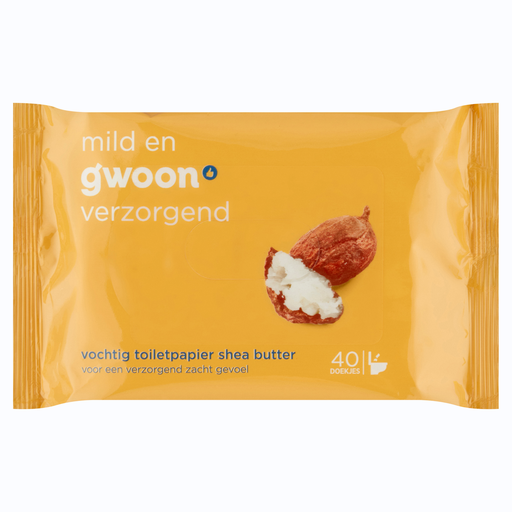
Why it suits this profile: A handy pack of 40 moist toilet wipes for anyone who wants to try a straightforward, affordable option first.
The product information clearly states that these are moist toilet wipes with shea butter. Reseal the pack properly after use and follow the disposal instructions on the packaging.
40 wipes per pack, a shea butter option and resealable packaging, according to the product description.
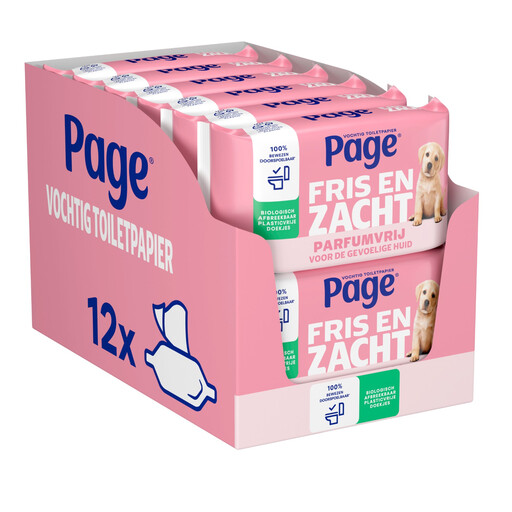
Why it suits this profile: A multipack for households that use moist toilet wipes regularly and value clear packaging information.
The product information lists 12 packs of 38 wipes, states that they are fragrance-free and pH-balanced for skin, and refers to the INDA/EDANA standard. This makes it easy to check the relevant details before buying.
456 wipes, plastic-free wipes according to the product information, and packaging made from 30% recycled plastic.
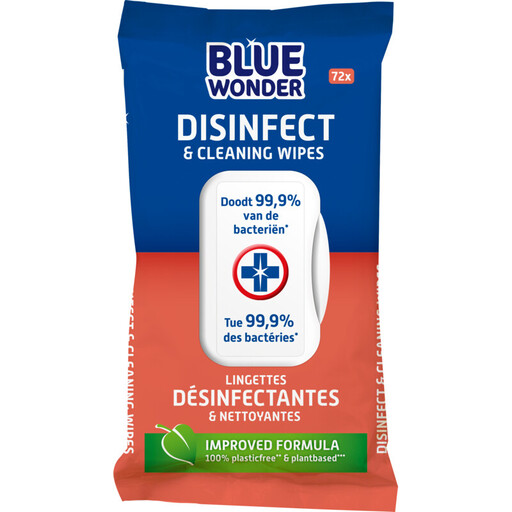
Why it suits this profile: For households and travellers looking for one product to clean suitable hard surfaces.
The product description states what the wipes are for and says they are made without chlorine or alcohol. Don’t use them on skin, and check the label for each surface.
72 large wipes, suitable for a range of hard surfaces and, according to the product information, plastic-free.
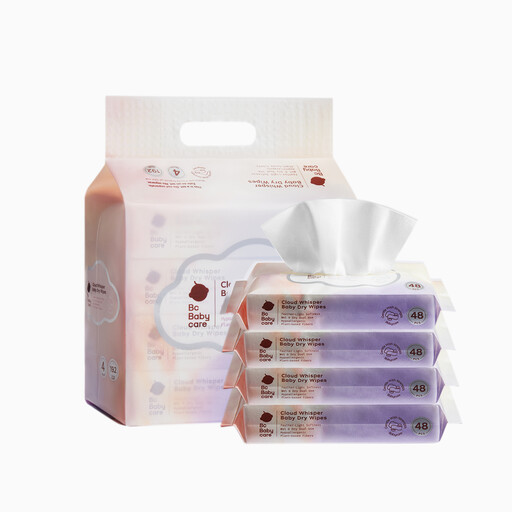
Why it suits this profile: The wipes can be used dry or dampened with water, so you can control how much moisture you use for baby care and facial cleansing.
The product information states that the wipes contain no fragrance or alcohol and clearly says not to flush them. Stop using them if irritation occurs.
192 wipes, measuring 20 × 20 cm, suitable for dry and wet use, and made from plant-based viscose-lyocell fibres according to the product description.
We’ve put together a full, up-to-date list of products that meet these strict selection criteria and current European safety requirements.
Only if the product explicitly says they’re flushable and the instructions allow it. For example, check whether the wipe refers to a relevant flushability standard. Baby wipes, facial cleansing wipes, disinfectant wipes and ordinary cleaning wipes generally shouldn’t be flushed down the toilet.
Reseal the pack immediately after use. Store it in a cool, dry place, away from direct sunlight and heat sources. If you buy large quantities, a multipack of individual resealable packs may be more practical than one large pack once opened.
It depends on the product and what you’re using it for. Read the ingredients, warnings and instructions. For skin, you could look for fragrance-free or pH-balanced options if they suit your preferences. For surfaces, use a product specifically designed for cleaning. If you experience any problems or irritation, stop using the product and follow the instructions on the label.
