
Livraison le jour même et le lendemain

Qualité garantie

Débloquez vos offres de bienvenue: Livraison GRATUITE | Jusqu'à -80 % | 30 jours d'essai gratuits à JoyPlus
Téléchargez l'application
Wet wipes are handy on the go, when changing a baby, after exercise, or during cleaning. However, they vary greatly in material, lotion, packaging, and intended use. A wipe for your face isn’t automatically suitable for a toilet or kitchen surface.
Most buying mistakes come down to three marketing traps:
One wipe for all uses
Baby wipes, facial cleansing wipes, and cleaning wipes have different formulas. A cleaning wipe shouldn’t go on your skin, and a facial wipe won’t always remove grease or caked-on residue from surfaces.
Confusing a gentle claim with being fragrance-free
“Mild”, “nourishing”, or “for daily use” doesn’t automatically mean a product is fragrance-free. Check the ingredients list for perfume, alcohol, and preservatives, especially if you have sensitive skin.
Assuming “flushable” means trouble-free for the toilet
Even wet toilet wipes with a flushable claim can contribute to blockages in practice. So, dispose of used wipes in your general waste bin, unless your local waste management authority explicitly advises otherwise.
The packaging should clearly state what the product is for:
Only use a wipe on the area the manufacturer has specified. “Multifunctional” is no substitute for clear usage instructions.
If you’re looking for fragrance-free wipes, plastic-free wipes, or biodegradable wipes, you need to read the full product information. A plant-based fibre doesn’t automatically mean the wipe is home-compostable. Even a biodegradable material shouldn’t be flushed down the toilet.
For sensitive skin, the following points are useful:
For example: the Pampers Sensitive Plastic Free Baby Wipes are described in the product information as fragrance-free, alcohol-free, and dye-free, with 100% plant-based fibres. The pack contains 15 packs of 52 wipes, totalling 780 wipes. These are verifiable product specifications; suitability for your skin can vary from person to person.
A large pack may seem good value, but it’s only practical if you use the wipes before they dry out. Pay attention to:
A pack of 20 facial cleansing wipes is suitable for occasional use or travel. For a household with a baby, a multi-pack of 720 or 780 wipes might make more sense. Individually wrapped wipes are more convenient for a handbag, gym bag, or emergency kit.
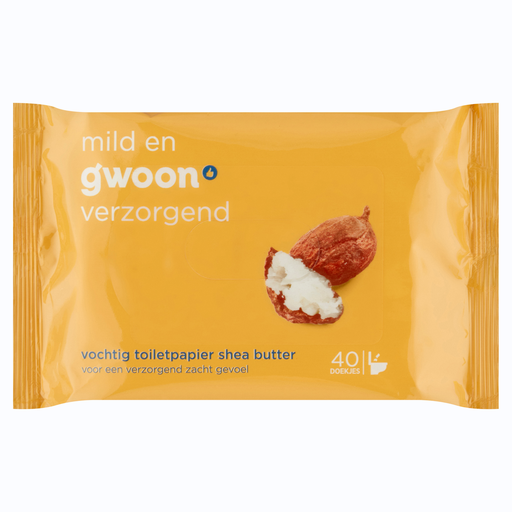
Why This Fits Their Persona: A compact pack of 40 wet toilet wipes for households that occasionally want extra cleansing alongside toilet paper.
The intended use and quantity are clearly described. Dispose of used wipes in your general waste bin rather than flushing them.
40 wipes per pack and resealable packaging, according to the product information.
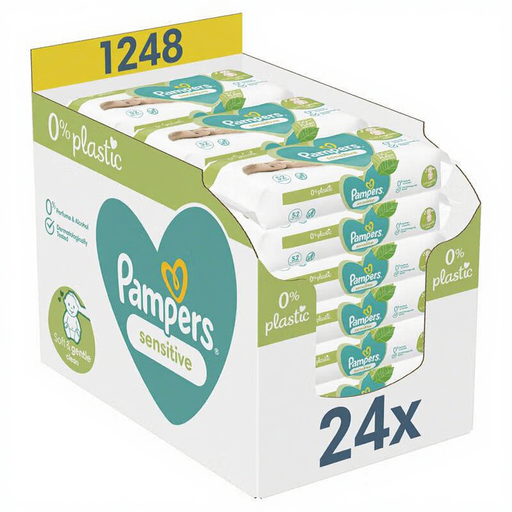
Why This Fits Their Persona: Aimed at families who use baby wipes daily and value a fragrance-free formula and plastic-free fibres, according to the Pampers product description.
The packaging states the total of 780 wipes and the formula without fragrance, alcohol, or dyes. This makes comparison easier.
15 packs of 52 wipes; the wipes are made from plant-based fibres according to the product data.
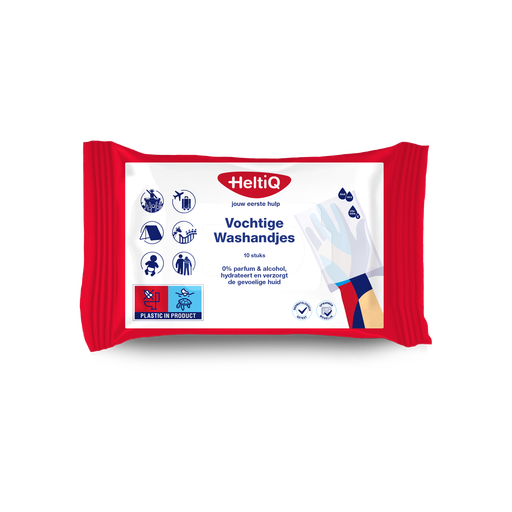
Why This Fits Their Persona: Handy for travel, after exercise, at the office, or at home when you only need a few body wipes.
This is a body wipe, not a cleaning wipe or toilet wipe. The usage instructions also state: do not reuse and do not flush.
10 pre-moistened washcloths; according to the product information, they contain aloe vera and vitamin E.
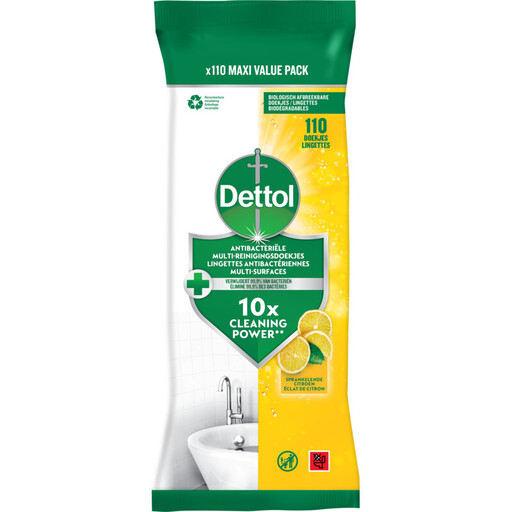
Why This Fits Their Persona: Designed for multiple hard surfaces in the kitchen, bathroom, or other areas where you want to clean quickly.
This is a cleaning wipe, not a product for skin, face, or baby care. Check whether the product is compatible with your surface beforehand.
110 wipes per pack. According to Dettol’s own information, these wipes kill 99.9% of bacteria; treat this as a brand claim and follow the label.
Browse a current selection of individually wrapped wet wipes and compare their intended use, quantity, and packaging.
That depends on the formula and your personal reaction. Choose fragrance-free wipes without alcohol where possible, and read the ingredients list. “Dermatologically tested”, hypoallergenic, or suitable for sensitive skin are manufacturer claims and don’t guarantee suitability for everyone. If in doubt, test on a small area of skin first and stop if irritation occurs.
This varies by brand and formula. Close the lid or packaging immediately after use and store the wipes in a cool, dry place out of direct sunlight. Products with fewer preservatives may have a shorter usable life after opening. WaterWipes, for example, states that an opened pack should be used within one month according to the product information. Always check the packaging.
The safest advice for your drainage system is not to flush used wipes, even if the packaging says “flushable”. Put them in a waste bin. This prevents unnecessary strain on pipes and blockages.
