
Vandaag of morgen in huis

Kwaliteit gegarandeerd

Welkomstaanbiedingen ontgrendelen: GRATIS bezorging | Tot 80% korting | Gratis 30 dagen JoyPlus-proefperiode
Download de app
Cleaning wipes are handy for a quick clean in the kitchen, bathroom, living room, car or office. However, they vary greatly in material, moisture content, cleaning agent, size and how long they last. A low price per pack therefore doesn't always tell you the real value.
The most common mistakes come from three pitfalls:
Moist cleaning wipes for multiple hard surfaces are practical for crumbs, light stains, dust and spills. They're ideal for quick touch-ups on things like tables, cupboard doors and worktops.
Look out for the following points:
Don't just use a wipe on untreated wood, marble, natural stone or a screen. If in doubt, test on an inconspicuous area first.
In the kitchen, grease, oil and dried-on food residue are often trickier to remove than dust. Kitchen cleaning wipes with a suitable cleaning formula can be handy for the hob, fridge door, worktop and dining table.
Check whether the product is intended for surfaces that come into contact with food. In some cases, rinsing with clean water is necessary. Always follow the instructions on the label and don't mix cleaning products together.
Reusable cleaning wipes made from microfibre or viscose are an alternative to disposable wipes. They can be suitable for daily wiping, but must be rinsed, washed and fully dried after use. Use different cloths for the kitchen, toilet and general surfaces to avoid spreading dirt.
For windows, mirrors and glass tables, window and glass wipes are often more logical than general wipes. The texture and amount of moisture are important: too much liquid can cause streaks, while a wipe that's too dry can just move dirt around.
Look at:
The product description for the At Home Glass Cleaning Wipes states that these wipes are designed for glass and windows and are intended for a streak-free result. This is information from the product description; the final result also depends on the level of soiling and your cleaning method.
Don't just compare the pack; calculate the price per wipe. A pack of 110 or 1600 wipes might look big, but could be intended for a different use than kitchen cleaning. Also pay attention to the dimensions. A 30 x 30 cm wipe is useful for larger surfaces, while a compact size can be handy for on the go.
When you see a cleaning wipes offer, it's wise to also check the shelf life, the pack's seal and the type of wipe. A value pack is especially practical if you use the product regularly and store it sealed properly.
Viscose, polyester, polyamide and microfibre all have different properties. Microfibre cloths are often made from polyester and polyamide and can absorb water and dust. Washing instructions are important: some cloths shouldn't be bleached, ironed or tumble dried.
The g'woon Viscose Cloths are supplied as a set of three. According to the product information, they should be rinsed in warm water before first use and stored dry. This type of cloth suits anyone looking for a simple cloth for repeated household use.
A cleaning wipe removes dirt; a disinfecting wipe also has a specific claim about micro-organisms. According to Dettol's own product information, the Cleaning Wipes Citrus remove 99.9% of bacteria, allergens and dust mites. According to the product description for Blue Wonder, the wipes clean and disinfect and kill 99.9% of bacteria and fungi. Only use such claims within the stated applications and contact time on the label.
"Biodegradable" doesn't mean the wipes can be flushed down the toilet. Dispose of used cleaning wipes in the correct waste. According to Marcel's GREEN SOAP's own product information, the wipes are biodegradable; here too, the waste disposal instructions still apply.
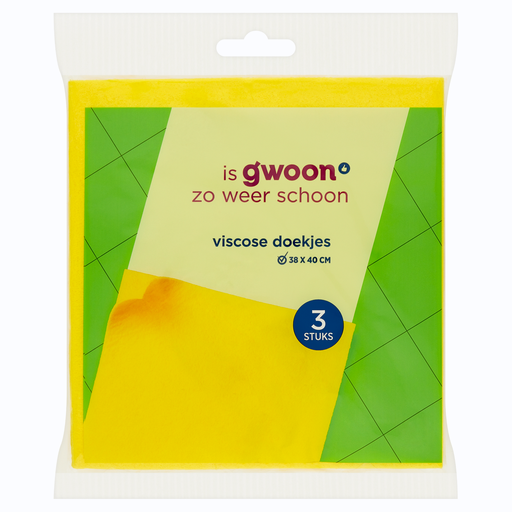
Why this fits the profile: A set of three cloths is straightforward for basic work in the kitchen, bathroom and living room, without buying a large stock straight away.
The number of pieces and the type of cloth are clearly stated. So you know what you're buying, rather than relying on a general claim.
Three pieces per set; suitable for repeated use; instruction to rinse before first use.
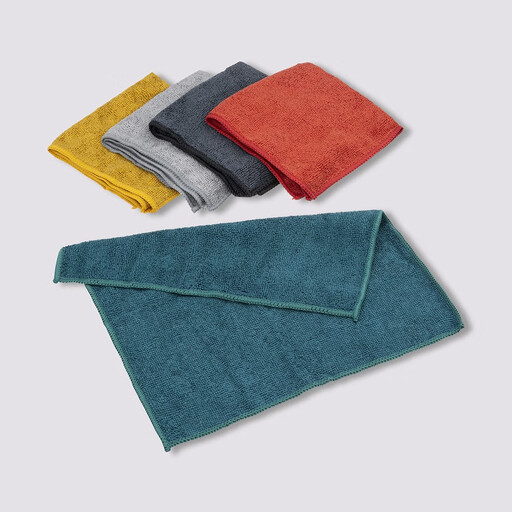
Why this fits the profile: The 30 x 30 cm size and set of five suit households that regularly wipe down larger surfaces.
The dimensions and material composition are specified. This means you can match the cloth to the job and check the washing instructions in advance.
Five cloths; size 30 x 30 cm; polyester-polyamide material; care instructions available.
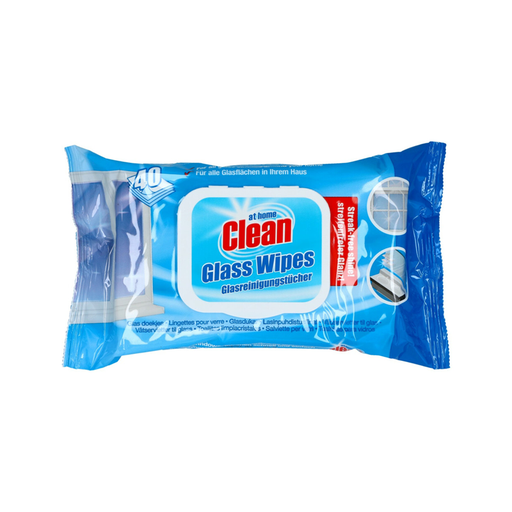
Why this fits the profile: If you often clean mirrors, windows or glass surfaces, a targeted glass wipe is more effective than a universal one.
The application for glass and windows is front and centre. This reduces the chance of using a general wipe that's too harsh or too wet.
40 moist wipes; size 13 x 18 cm; product description mentions use for windows and mirrors.
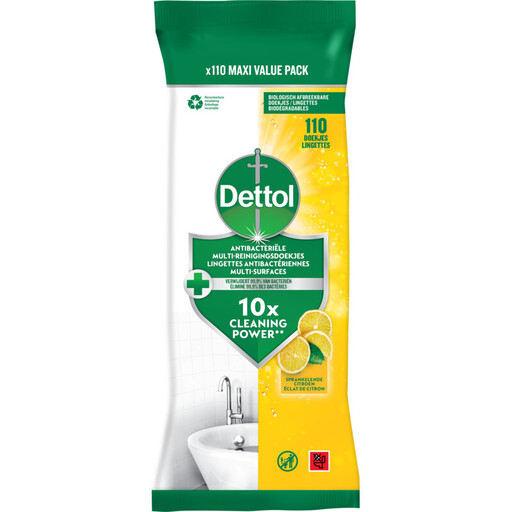
Why this fits the profile: The pack of 110 wipes is practical for households that frequently wipe down hard surfaces.
The product information states application for multiple surfaces and lists the ingredients. Always check the label and permitted surfaces before use.
110 wipes; citrus variant; according to Dettol's own product information, antibacterial action and biodegradable wipes.
We've put together a full, up-to-date list of products that fully meet these strict selection criteria and current European safety regulations.
That depends on how often you use them. Disposable wipes save time on small cleaning jobs, while reusable microfibre cloths can work out cheaper per use if you wash and dry them correctly. Compare the price per wipe and the number of washes the material can handle according to the product information.
Seal the packaging immediately after use. With a click lid or resealable flap, check that it's properly closed. Store the pack in a dry place out of direct sunlight, unless the manufacturer gives different instructions. A large pack is only handy if you'll use it within the stated usage period.
No. Disinfecting wipes have specific instructions for surface, contact time and any after-treatment. Read the label before using them on food contact surfaces, toys, screens, natural stone or varnished materials. Dispose of the wipes in general waste after use and don't flush them down the toilet.
