
Vandaag of morgen in huis

Kwaliteit gegarandeerd

Welkomstaanbiedingen ontgrendelen: GRATIS bezorging | Tot 80% korting | Gratis 30 dagen JoyPlus-proefperiode
Download de app
A vacuum cleaner should suit your home, flooring and cleaning routine. Yet many people buy based on one standout figure, such as high suction power or long battery life. That can lead to disappointment: a powerful motor doesn’t automatically make a vacuum easy to use on stairs, suitable for carpets or good at picking up pet hair.
In this buying guide from the Joybuy Product Recommendation Officer, we compare different types of vacuum cleaner using verifiable product specifications. You’ll find out what to look for in a cordless vacuum cleaner, stick vacuum cleaner, robot vacuum cleaner, wet and dry vacuum cleaner, and vacuum cleaner with a mopping function.
Suction power is often shown in Pa or kPa. A higher figure may indicate a powerful motor, but it doesn’t tell you everything about the cleaning results. The floor brush, airflow, filter and seals also play a part. What’s more, brands use different testing conditions. So don’t just compare 65 kPa with 27 kPa: also check the brush, settings and suitability for your type of flooring.
A vacuum cleaner with long battery life will often reach its stated maximum run time only on the most energy-efficient setting. Run time drops considerably in turbo mode. Check the run time for each mode, the charging time and whether the battery is replaceable. A removable battery is handy for larger homes or cleaning several rooms in one go.
Not every vacuum cleaner with a mopping function is suitable for cleaning up spills. A robot vacuum cleaner with a mopping module typically spreads water over a cloth, whereas a wet and dry vacuum cleaner collects dirty water in a separate tank. A standard cordless stick vacuum cleaner is usually intended for dry use only. Always check the safety instructions.
For a vacuum cleaner for hard floors and carpets, a motorised floor brush with different settings is useful. On laminate, parquet or tiles, a soft brush can help prevent scratches; carpets need a brush that loosens dirt from the fibres.
If you have pets, look for:
A so-called pet vacuum cleaner isn’t automatically suitable for every carpet. Check whether the manufacturer specifies hard floors, low-pile carpets or deep-pile carpets.
A vacuum cleaner with a HEPA filter can filter fine particles, according to the product specifications. Check the difference between a standalone filter and a fully sealed filtration system. A filter only works properly when it is fitted correctly, clean and completely dry.
Check in advance:
Claims such as “99.99% filtration” come from the product description or the brand’s own tests. Don’t treat them as medical or health claims.
A lightweight stick vacuum cleaner is handy for quick cleans and stairs. A model with a wall mount takes up little space, while a freestanding model can be put down between tasks. Also check the weight of the handheld unit, especially if you’ll be cleaning furniture, ceilings or the car.
For everyday use, practical features include a clear battery display, several settings and a charging time of around four to five hours. The stated noise level, for example a maximum of 58 or 60 dB, comes from the brand’s product specifications and may vary between settings.
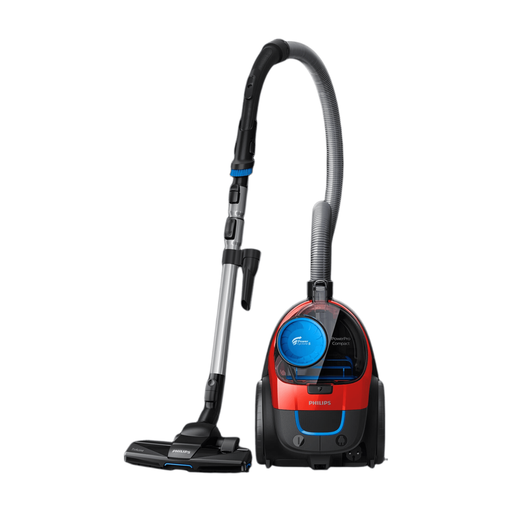
Why it suits this type of household: This corded vacuum cleaner provides a constant power supply, making it suitable for households that don’t want to charge a battery. The product specifications list a 1.5-litre dust container, a 6-metre cable and a 9-metre operating radius.
You don’t have to rely on a stated battery life. The manual also clearly states that the appliance isn’t intended for liquids.
900 W motor, H13 allergy filter according to the product information, integrated soft brush and hygienic one-button emptying.
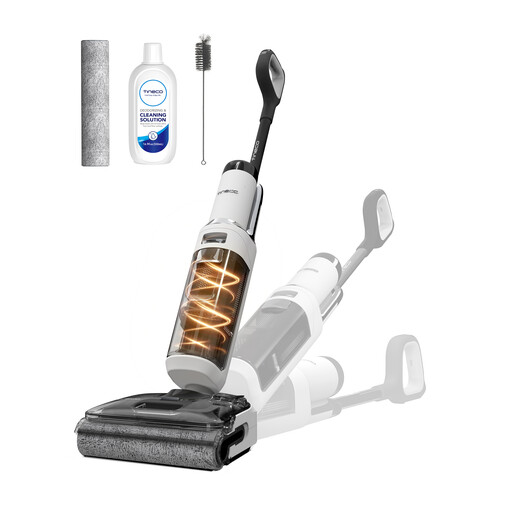
Why it suits this type of household: This model is designed for households with hard floors that want to vacuum and mop at the same time. The product information lists a 180° lie-flat design, a height of 13 cm, and self-cleaning and drying functions.
It’s clearly intended for hard floors, not as an all-purpose carpet vacuum cleaner. This helps you avoid the mistake of assuming a mopping function makes it suitable for everything.
Suitable for sealed wood, tiles and laminate according to the description; includes a charging and drying station and a replacement brush.
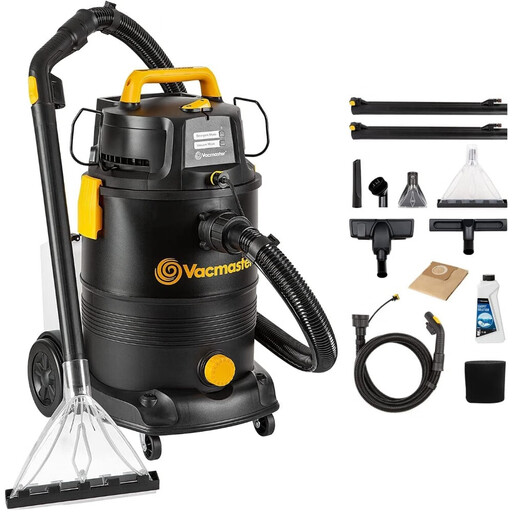
Why it suits this type of household: For big cleaning jobs, carpets, car interiors and upholstery, a corded model with large tanks is practical. According to the product specifications, this model has a 1300 W motor, a 30-litre collection tank and a 6-litre cleaning solution tank.
Its functions are clearly divided between dry vacuuming, wet cleaning and carpet cleaning. Always use the correct filter and clean the tanks afterwards.
3-in-1 use, HEPA exhaust filter for dry vacuuming according to the description, remote control on the handle and large wheels.
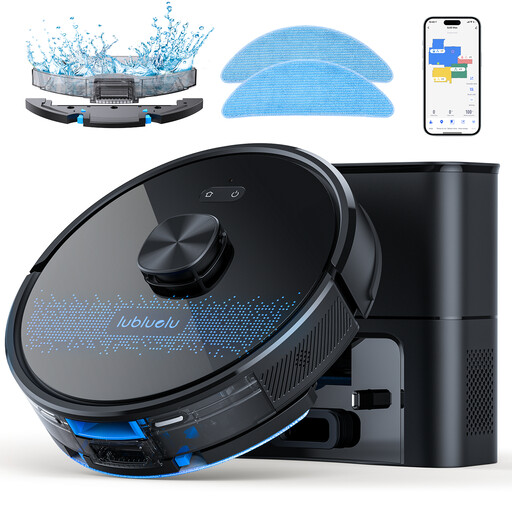
Why it suits this type of household: According to the product details, this robot vacuum cleaner combines vacuuming, sweeping and mopping. LiDAR navigation, app control and a self-emptying base make it suitable for regular upkeep when you’re short on time.
The self-emptying function means less manual emptying, but it doesn’t replace maintenance. Clean the mop cloth after use and keep cables and small items off the floor.
Stated suction power of 4000 Pa, LiDAR 9.0 navigation, adjustable water flow and a 3 to 4-litre dust bag in the base station.
We’ve put together a complete, up-to-date list of products that meet these strict selection criteria and current European safety regulations.
Your vacuum cleaner will stay in good working order for longer if you keep up with maintenance. Empty the container before you notice a drop in airflow, check the brush for hair and clear any blockages from the tube and crevice tool. Washable filters must be completely dry before you put them back. With a wet and dry vacuum cleaner, you should also clean the dirty water tank, roller and tubes after every wet clean.
Never use an appliance for hot ash, burning materials, sharp objects or liquids if it is intended for dry use only. Charge a lithium-ion battery with the supplied or specified charger and follow the manufacturer’s safety information.
Its lifespan depends on how it’s used, charging cycles, filter maintenance and whether a replacement battery is available. A model with a removable battery may be more practical if the battery loses capacity over time. Also check the warranty terms and availability of spare parts.
As well as electricity, you’ll need to factor in replacement dust bags, filters, brushes and mop cloths. A self-emptying robot can save time, but the base and sensors need regular maintenance. So check the prices and availability of consumables before you order.
A manufacturer may state a particular filtration efficiency based on its own research or product specifications. This doesn’t guarantee a specific personal effect. Focus on a well-sealed system, a correctly fitted filter and regular maintenance. If you have allergy symptoms, follow your doctor’s advice.
