
Vandaag of morgen in huis

Kwaliteit gegarandeerd

Welkomstaanbiedingen ontgrendelen: GRATIS bezorging | Tot 80% korting | Gratis 30 dagen JoyPlus-proefperiode
Download de app
When you buy sugar-free soft drinks, you often only look at words like “zero”, “light” or “no added sugar”. That can lead to the wrong purchase. A product without added sugar isn’t automatically sugar-free, and a bulk pack isn’t always better value if you don’t compare the content per can or litre.
As Joybuy’s Product Recommendation Officer, I filter the range based on verifiable data: nutritional values, content, flavour profile, packaging and usage scenario. That way, you can see more quickly which sugar-free soft drink or low-calorie fruit drink suits your household, office or catering business.
A drink labelled “no added sugar” may still contain naturally occurring sugar from fruit. Always check the “of which sugars” per 100 ml line. For example, Iam Superjuice Passionfruit states “no added sugar”, but the product description also mentions 17 kcal per 100 ml and 30% passion fruit juice.
A zero sugar soft drink usually uses sweeteners to maintain the sweet taste. That doesn’t necessarily mean every variant has exactly the same nutritional value. Always check the label on the specific pack.
The front often emphasises flavour and brand. For a proper comparison, the small print on the packaging is more important:
For instance, a variant like Pepsi Zero Strawberry & Cream shows 0 grams of sugar per 100 ml according to the product information provided, but it does contain caffeine and multiple sweeteners. That could be relevant if you’re serving soft drinks at different times of the day.
A tray of 24 cans seems practical for a party, office or bar, but it also takes up more storage space. For home use, a pack of 12 x 330 ml might be more convenient. For children or on the go, 200 ml portions could be more suitable.
So don’t just compare the price of the box; also compare the price per litre, the number of users and the best-before date. A 330 ml soft drink can is also a fixed portion, whereas a 1-litre bottle needs to be kept refrigerated after opening.
These terms have different meanings in practice:
With a tropical fruit drink that has no added sugar, the percentage of fruit juice is a useful extra indicator. Iam Superjuice variants, for example, mention 30% fruit or fruit juice. That tells you something about the composition, but not automatically about your personal taste preference.
Check which sweeteners have been used in sugar-free cola or other soft drinks without sugar. Several products in this range list aspartame and acesulfame-K. Products containing aspartame are a source of phenylalanine according to the product information. People with phenylketonuria need to take this into account.
Cola and Pepsi variants may contain caffeine. If you’re specifically looking for a caffeine-free option, look out for Coca-Cola Zero Sugar Caffeine Free Cola. Always check the current packaging, as recipes and labelling can change.
A tray of 24 x 330 ml is suitable for stocking up, meetings and parties. A pack of 12 x 330 ml is more manageable for home or for trying several flavours. Capri-Sun Monster Alarm Zero Sugar is available in 200 ml portions, making it suitable for lunchboxes or handing out.
Also consider storage: store unopened drinks according to the packaging advice in a cool, dry place, away from direct sunlight and frost. Serve chilled if recommended for the flavour and product description.
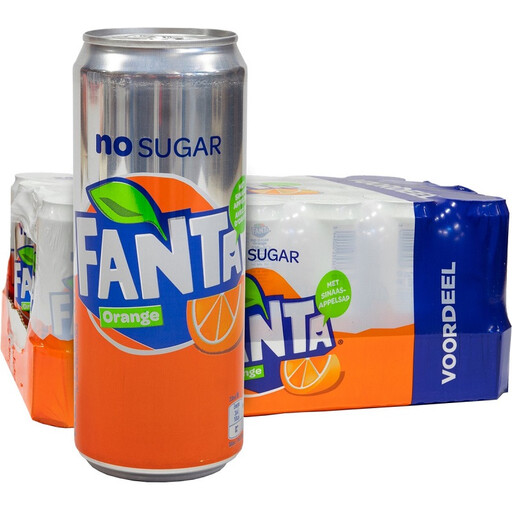
Why this fits the profile: A familiar orange flavour in 24 cans of 330 ml for home, visitors or a small office.
The fixed can size makes the portion and total stock clear. Do check the current nutrition table and ingredients on the can before purchasing.
24 x 330 ml; carbonated orange drink with no added sugar according to the product name.

Why this fits the profile: Ideal for those who want a classic cola taste and a larger stock, but wish to avoid caffeine.
The product description explicitly states zero sugar and caffeine free. Check the packaging if the composition or nutritional values are decisive for you.
24 x 330 ml; according to the product information, 0 grams of sugar and 0.3 kcal per 100 ml.
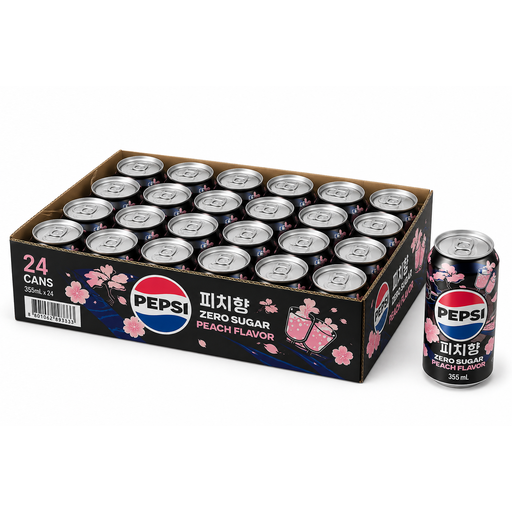
Why this fits the profile: For fans of Asian soft drinks and a cola flavour with a peach accent, ideal with snacks or for a tasting session.
The peach flavour is clearly stated in the product name and description. The stated nutritional information shows 0 kcal and 0 grams of sugar per 100 ml.
24 cans of 355 ml; South Korean variant; contains aspartame, acesulfame-K and sucralose according to the ingredients list.

Why this fits the profile: An option for those who want to alternate cola with a tangy, tropical passion fruit flavour.
The pack contains 12 cans, so you don’t have to buy an excessive amount. The product description mentions both 30% passion fruit juice and 17 kcal per 100 ml.
12 x 330 ml; made in Vietnam; no added sugar according to the product description.
We’ve put together a full, up-to-date list of products that fully meet these strict selection criteria and current European safety regulations.
Not always. Check the nutrition table. A product labelled “no added sugar” contains no added sugar, but may contain natural sugars from fruit. A product with 0 grams of sugar per 100 ml is a better fit if you’re specifically looking for soft drink without sugar.
An opened can of soft drink quickly loses its fizz and flavour. Keep it refrigerated and consume it as soon as possible. Always follow the instructions on the packaging. Store unopened cans in a cool, dry place away from direct sunlight.
That depends on the price per litre, the number of cans and your consumption. A tray of 24 x 330 ml is practical for the office, catering and parties. For a smaller household, 12 x 330 ml can reduce waste and storage space. Work out the price per litre before you order.
