
Vandaag of morgen in huis

Kwaliteit gegarandeerd

Welkomstaanbiedingen ontgrendelen: GRATIS bezorging | Tot 80% korting | Gratis 30 dagen JoyPlus-proefperiode
Download de app
Drinking fewer sugary drinks and calories sounds simple, but there is a wide range of sugar-free drinks available. From sugar-free fizzy drinks and zero-sugar soft drinks to iced tea, energy drinks and tropical fruit drinks, the differences are not limited to flavour. The sweeteners, caffeine content, serving size and contents of a multipack also determine whether a purchase is right for you.
As a Joybuy Product Recommendation Officer, I mainly filter products using verifiable information from product descriptions and nutritional labels. This helps prevent eye-catching packaging or marketing claims from carrying more weight than what is actually in the can.
A drink can contain 0 grams of sugar and still provide a small amount of energy. This may be due to fruit juice, flavourings or other ingredients. Always check the nutritional value per 100 ml as well as the contents of a single can.
For example, a 330 ml can containing 17 kcal per 100 ml provides approximately 56 kcal per can. That is still a low-calorie drink, but it is not the same as a drink containing 0 kcal.
A product with no added sugar may still contain naturally occurring sugar from fruit. According to the product information, Iam Superjuice Passionfruit contains 30% passion fruit juice and 17 kcal per 100 ml. The claim “no added sugar” therefore does not automatically mean that the product contains no sugar.
So check the of which sugars line on the label. This is particularly important for sugar-free fruit drinks, as well as mango, lychee and guava drinks.
A drinks multipack is practical for families, working from home or parties, but 24 identical cans are less worthwhile if you do not enjoy the flavour. With international flavours such as peach, strawberry cream or tropical fruit, it is sensible to check the ingredients and flavour description first.
Also consider your storage space. A pack containing 24 cans of 330 ml holds almost 8 litres of drink. A tray of 12 cans may be more convenient if you have limited storage space.
Use this order when comparing products:
For example, Coca-Cola Zero Sugar Caffeine Free states 0 grams of sugar and 0.3 kcal per 100 ml. The pack contains 24 cans of 330 ml. The drink is also caffeine-free, which is relevant if you want to serve soft drinks at different times of day.
Sugar-free drinks often use sweeteners such as aspartame, acesulfame-K, sucralose, saccharin, steviol glycosides or erythritol. The flavour and aftertaste can vary depending on the combination. If you need to avoid aspartame, pay particular attention to any mention of phenylalanine.
Several cola and lemon varieties state that they contain a source of phenylalanine. If you have allergies or intolerances, always check the packaging. Product information can change, and the physical packaging takes precedence.
Also note the difference between ordinary soft drinks and sugar-free protein drinks. According to the product information, the Optimum Nutrition Protein Water Variety Bundle contains milk ingredients, 16 grams of protein per 350 ml bottle and 64 kcal per bottle. This product is therefore not suitable for anyone who needs to avoid milk, but it may suit an active person looking for a ready-to-drink protein drink.
A sugar-free energy drink is not the same as an ordinary soft drink. Check the caffeine content, recommended usage information and serving size. According to the product information provided, Monster Energy Ultra White contains 0.03% caffeine and 12 kcal per 100 ml. Each can contains 500 ml, making the total amount greater than that of a 250 ml can.
Slammers Sugar-Free Energy Drink is packaged as 24 cans of 250 ml and states that it contains 0.032% caffeine. So do not compare only the words “sugar-free”; also consider the millilitres per can and the number of cans per tray.

Why it suits this profile: A familiar cola in a convenient multipack, with no sugar and no caffeine according to the product information. Suitable for households looking to stock up without choosing an energy drink.
The serving size is clear: 24 cans of 330 ml. The nutritional information states 0 grams of sugar per 100 ml and just 0.3 kcal per 100 ml.
24 x 330 ml; 0 grams of sugar; caffeine-free variety.
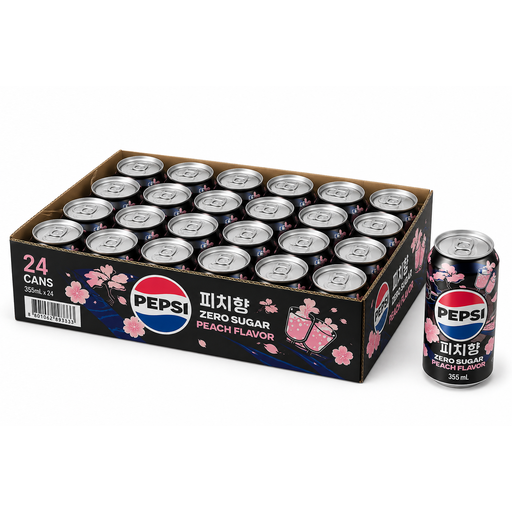
Why it suits this profile: For anyone who wants to combine zero-sugar soft drinks with a different flavour. The peach variety adds a fruity twist to cola and comes in 24 cans of 355 ml.
The product information states 0 grams of sugar and 0 kcal per 100 ml. However, the ingredients list includes several sweeteners, including aspartame.
Peach flavour; 24 x 355 ml; 0 grams of sugar according to the label.
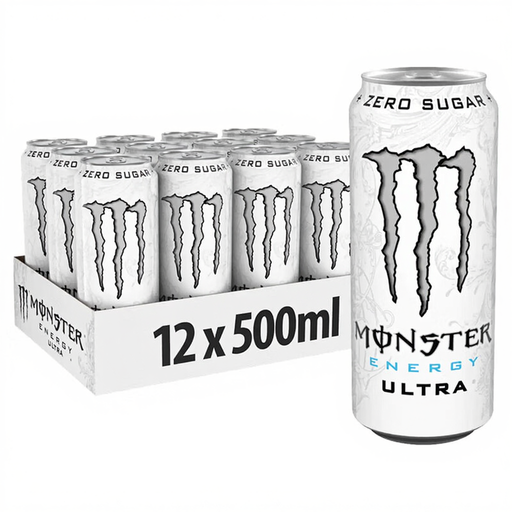
Why it suits this profile: A larger serving for people specifically looking for a sugar-free energy drink for work, travel or an active day. The citrus description combines lemon and grapefruit notes.
The packaging states 12 x 500 ml and 0 grams of sugar. As the can is larger than a standard soft drink can, you can assess the total caffeine and energy intake more accurately per can.
12 x 500 ml; citrus profile; 12 kcal per 100 ml according to the product information provided.
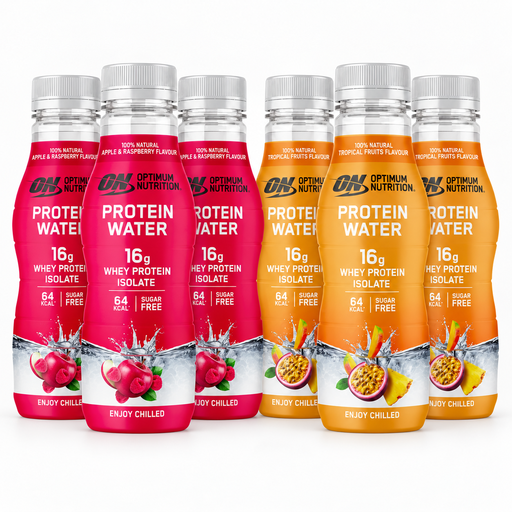
Why it suits this profile: A ready-to-drink sugar-free protein drink for after exercise or on the go. The bundle contains three apple and raspberry bottles and three tropical fruit bottles.
The information states 0 grams of sugar, 64 kcal and 16 grams of protein per 350 ml bottle. However, the product contains milk and is therefore unsuitable for people with a milk allergy.
16 g of protein per bottle; 0 g of sugar and fat; ready to drink.
For fans of sugar-free iced tea, Lipton Sparkling Zero and Lipton Ice Tea Green Zero are practical options in packs of 24 x 330 ml. If you prefer fruity flavours, consider Iam Superjuice Mango, Lychee or Pink Guava. According to the product information, these drinks contain 30% fruit juice and no added sugar, but they do contain calories.
For classic soft drinks, you can also compare Fanta Orange No Sugar, Fanta Lemon Zero, Fanta Exotic No Sugar and Sprite Zero Sugar. Always check the current ingredients list and allergen information on the packaging for these products.
We have put together a complete, up-to-date list of products that fully meet these strict selection criteria and the applicable European safety regulations.
No. Many zero-sugar soft drinks contain virtually no calories, but fruit drinks with “no added sugar” may contain calories from fruit juice. Always compare the energy per 100 ml and per pack.
That depends on your goal. An ordinary sugar-free soft drink generally contains no protein. A sugar-free protein drink, such as Optimum Nutrition Protein Water, provides 16 grams of protein per bottle according to the product information. An energy drink contains caffeine and is therefore a different product category. So look at protein, caffeine, calories and serving size rather than just the word “zero”.
Store unopened cans in a cool, dry place, away from direct sunlight and sources of heat. Once opened, the drink should be refrigerated and consumed within the stated period according to the information on the packaging. Also always check the best-before date and current labelling.
