
Vandaag of morgen in huis

Kwaliteit gegarandeerd

Welkomstaanbiedingen ontgrendelen: GRATIS bezorging | Tot 80% korting | Gratis 30 dagen JoyPlus-proefperiode
Download de app
A perfect charcuterie board starts with perfectly sliced meats. A quality sausage slicer, also known as a salami or charcuterie slicer, might seem like a simple purchase. However, there are pitfalls that lead many people to end up with a clumsy or even unsafe device. Before you make a choice, it's wise to know what to look for.
Many models look great at first glance but show flaws after just a few uses. The most common problems are:
To avoid buyer's remorse, focus on a few key specifications. These determine the functionality and lifespan of your slicer.
The most important component is the blade. A good blade slices effortlessly through a dry sausage. Pay attention to the material. A blade made of stainless steel is the standard. This material is durable, stays sharp for a reasonable amount of time, and, as the name implies, is resistant to rust. A smooth or slightly serrated blade is suitable for most types of sausage and charcuterie.
A manual meat slicer must stand firmly on the countertop. A model with a heavy, solid base, such as a wooden sausage slicer made of solid beechwood, naturally offers more stability. Also, check for the presence of non-slip feet. With a guillotine slicer, it's also important that the hinge point is sturdy and has no play. A safety lock that secures the blade when not in use is an important extra.
A good slicer for your charcuterie board should also be quick and hygienic to clean after use. Check if the blade or other parts can be easily removed for a thorough cleaning. Although many parts require hand washing to maintain the blade's sharpness and the wood's quality, a simple disassembly process is crucial.
Not everyone has the same needs. Below are some options that suit different situations, based on their specifications.
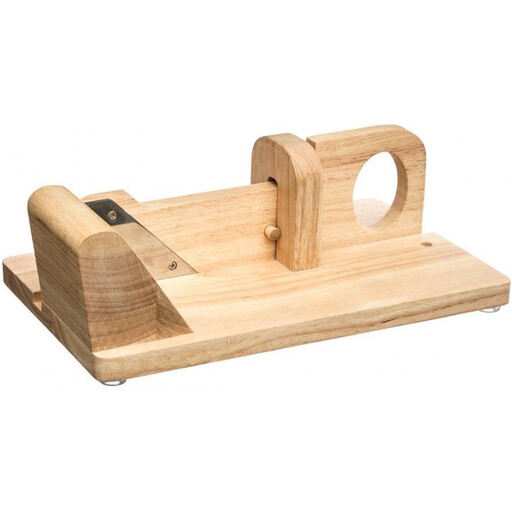
Why This Fits Their Persona: Perfect for those who want to combine atmosphere with functionality. This classic guillotine model looks beautiful on the table and lets guests slice their own portions. It's a real conversation piece.
The beechwood base provides a stable platform, which prevents wobbling. The blade is made of stainless steel, reducing the risk of rust and a quickly dulling edge.
Classic and atmospheric design. The manual operation requires no electricity and can be used anywhere.
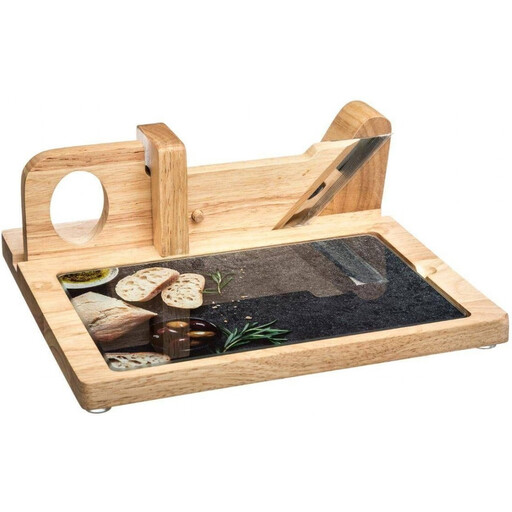
Why This Fits Their Persona: For those who love efficiency. This model combines a slicer and a serving board in one. Slice the sausage and serve it directly on the same board, which saves on washing up and effort.
The design integrates the slicer into the board, ensuring a stable base. It's a single unit, so there are no loose, wobbly parts. The blade is made of aluminium, a lightweight and rust-resistant material.
Two-in-one functionality: slicing and serving. Compact and efficient to use.

Why This Fits Their Persona: For those who regularly slice more than just sausage. This electric model is also suitable for bread, cheese, and other meats. Ideal for larger quantities and consistent slice thickness.
As an electric appliance, it provides consistent power for a uniform cut. The serrated blade made of German stainless steel is designed for durability. It is foldable, which facilitates cleaning and safe storage.
Adjustable slice thickness (0-15 mm). Suitable for various foods. Compact storage thanks to its foldable design.
We've compiled a complete, up-to-date list of products that meet these strict selection criteria and local safety standards.
For a wooden sausage slicer, hand washing is the recommended method. Use a damp cloth with mild soap for the wooden parts and wash the blade separately by hand. Dry all parts thoroughly immediately to prevent rust and wood damage. Avoid the dishwasher, as it can warp the wood and dull the blade. For electric models, the removable parts are often dishwasher-safe, but always check the manufacturer's manual.
Yes, most salami slicers are also suitable for slicing hard and semi-hard cheeses. Soft cheeses can stick to the blade and are less suitable. For the best result, you can place the cheese in the refrigerator for a while to make it firmer. Electric slicers are generally more versatile and can handle a wider range of cheeses.
The lifespan of the blade's sharpness depends on its use and material. Only slice what the slicer is intended for (meats, possibly cheese) and avoid contact with bones. Always wash the blade by hand and dry it immediately. Some blades can be sharpened with a suitable honing steel or knife sharpener, but consult the product information to see if this is recommended for your specific model.
