
Vandaag of morgen in huis

Kwaliteit gegarandeerd

Welkomstaanbiedingen ontgrendelen: GRATIS bezorging | Tot 80% korting | Gratis 30 dagen JoyPlus-proefperiode
Download de app
Opening a bottle of Rueda Verdejo is like capturing the Spanish sun in a glass. This popular Spanish white wine is renowned for its fresh, aromatic character. However, not every bottle labelled "Rueda" offers the same experience. Common pitfalls, such as unclear labels or the wrong vintage, can lead to a disappointing purchase.
If you're considering buying a Rueda wine, it's essential to know what to look for. This guide will help you see through the marketing hype and avoid the pitfalls, so you can choose a bottle that truly suits your taste.
Before you make a selection, it's wise to be aware of a few common missteps. These often result in a wine that doesn't meet expectations.
To ensure a quality purchase, you can look for a few objective characteristics. These specifications on the label tell you exactly what to expect.
The foundation of the flavour lies in the grape. According to D.O. Rueda regulations, a bottle labelled "Verdejo" must contain at least 85% of this grape. For the most authentic experience, look for a bottle that states 100% Verdejo. These wines offer the classic, aromatic profile with notes of citrus, stone fruit, and a slightly bitter, herbal finish (think fennel).
A blend, often with Sauvignon Blanc, yields a different style of fresh white wine. It's typically "greener" and more international in taste, with a greater emphasis on tropical fruit and grassy notes. Both can be delicious, but it's important to know what you're choosing.
Look for the official seal of the Denominación de Origen (D.O.) Rueda on the back of the bottle. This seal guarantees that the wine was produced according to the region's strict quality standards. It confirms the origin of the grapes and the production method. This is a reliable indicator that you are holding an authentic Spanish white wine from Rueda.
For a Rueda Verdejo, the rule is almost always: the younger, the better. Its vibrant acidity and delicate aromas are at their peak within the first two years after the harvest. When buying in 2026, it's best to choose a bottle from 2025 or possibly 2024. An older vintage can be a sign that the wine is past its prime.
Not everyone looks for the same thing in a wine. Below are several choices tailored to different preferences and occasions.
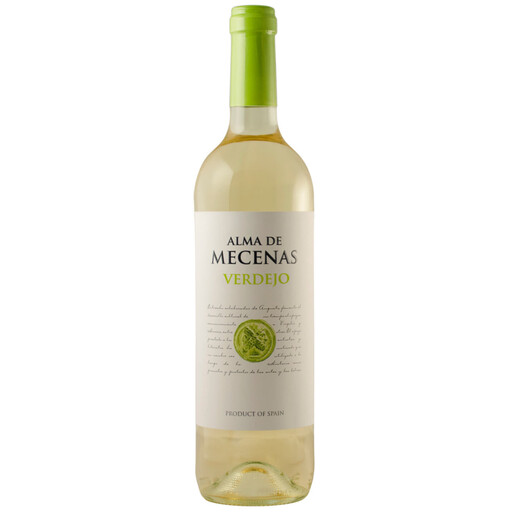
Why it's a match: For those seeking the authentic, pure Verdejo experience. This wine is ideal for an apéritif with Spanish tapas or with a goat cheese salad.
This wine is made from 100% Verdejo. You won't get an unexpected blend, but rather the classic, expressive character with aromas of lime, mango, and a hint of fennel.
A lively palate with a fresh, smooth finish that showcases the authentic character of the Rueda region.
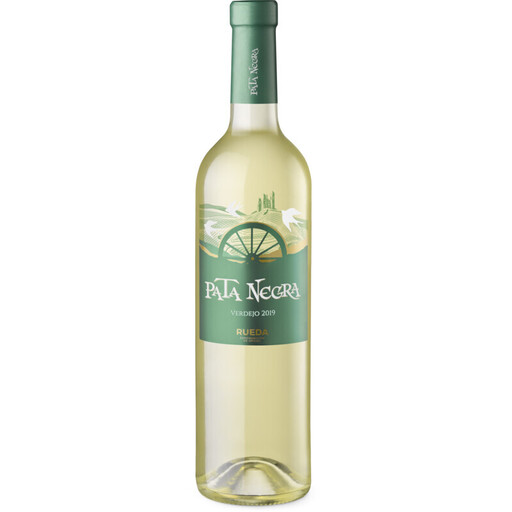
Why it's a match: A reliable and versatile choice from a well-known brand. Perfect for those looking for an accessible wine that always delivers, whether at a summer barbecue or with a plate of grilled fish.
This is the pure Pata Negra Verdejo, not to be confused with their blend. The bottle delivers the expected fresh and elegant style, with no surprises.
Smooth, elegant, and highly versatile. An excellent wine with fish, salads, and light Mediterranean dishes.
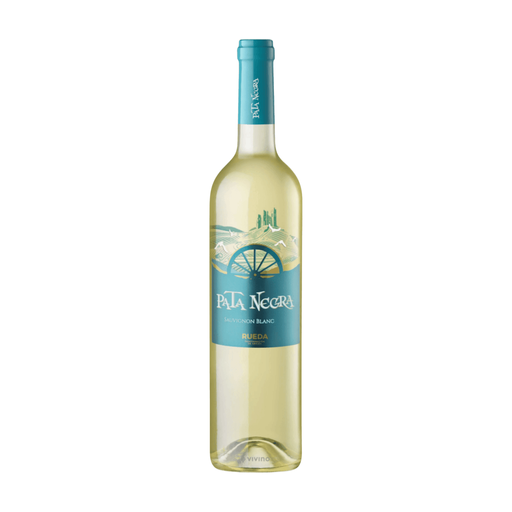
Why it's a match: For those open to a modern twist. This blend combines the best of both worlds and is an interesting choice for light pasta dishes or a cheese and charcuterie board.
The label is clear about the blend of Sauvignon Blanc and Verdejo. This is a deliberate choice for a specific taste, not an afterthought.
A harmonious and aromatic wine with notes of citrus and tropical fruit, offering a lively and refreshing style.
We have compiled a complete, up-to-date list of products that fully meet these strict selection criteria and local regulations.
A Rueda Verdejo is meant to be drunk young. Most bottles are at their best within 1 to 2 years of the harvest. Once opened, you can store the bottle, tightly sealed in the refrigerator, for another 2 to 3 days before the fresh flavours noticeably diminish.
Verdejo is a very versatile wine with fish. It pairs excellently with grilled white fish, such as sea bass or cod, as well as shellfish. Additionally, the wine goes well with fresh salads, chicken dishes, tapas, and goat cheese dishes. Its fresh acidity and aromatic notes complement these foods without overpowering them.
Rueda is the name of the wine region (the Denominación de Origen) in Spain. Verdejo is the name of the primary white grape grown in this region. While most white wine from Rueda is made from the Verdejo grape, not every bottle of "Rueda" is a 100% Verdejo. It can also be a blend. A "Rueda Verdejo" indicates that the wine is made predominantly from the Verdejo grape.
