
Vandaag of morgen in huis

Kwaliteit gegarandeerd

Welkomstaanbiedingen ontgrendelen: GRATIS bezorging | Tot 80% korting | Gratis 30 dagen JoyPlus-proefperiode
Download de app
Buying white wine seems simple, until you have to choose between Sauvignon Blanc, Verdejo, Chardonnay, Silvaner, Chablis and sparkling varieties. What is advertised as an attractive deal does not always tell you anything about flavour, origin or whether it will suit your meal. By checking the right details, you can avoid a disappointing purchase and find a fresh white wine, fruity white wine or alcohol-free option that suits your needs.
“Fresh” and “fruity” are useful descriptions, but they do not tell the whole story. For example, a Sauvignon Blanc may have notes of citrus and grapefruit, while a Verdejo may lean more towards melon, peach and citrus. So also check the grape variety, region and suggested food pairings.
Stylish packaging or a white wine offer can be appealing, but always look at what is inside. Is it one 750 ml bottle, a larger 1-litre bottle or a multipack? The price per bottle and per litre gives you a fairer comparison than the total price alone.
Many wines contain sulphites. This must be stated on the label or in the product information. Also check the alcohol content when you are looking for a wine for a light lunch, a celebration or an alcohol-free alternative. An alcohol-free sparkling wine is a different product category from Champagne or still white wine.
The grape variety is a practical starting point:
The grape is not the only factor. Climate, wine region, vinification and residual sugar also influence the final flavour.
A standard bottle usually contains 750 ml. This is suitable for a dinner or for sharing with several people. For regular use, a 6 x 750 ml multipack may be more practical. A 375 ml bottle is more convenient when you want to open less or try several wines side by side.
When ordering online, look out for:
Store opened wine tightly sealed, somewhere cool and away from direct sunlight. Always consult the label for the full product information.
According to the product information, Spanish white wine from La Mancha or Rueda is often associated with a fresh, aromatic style. French white wine, such as Chablis or Champagne, may have a different structure and acidity. This makes origin relevant, but do not use the region as your only measure of quality.
For example, choose:
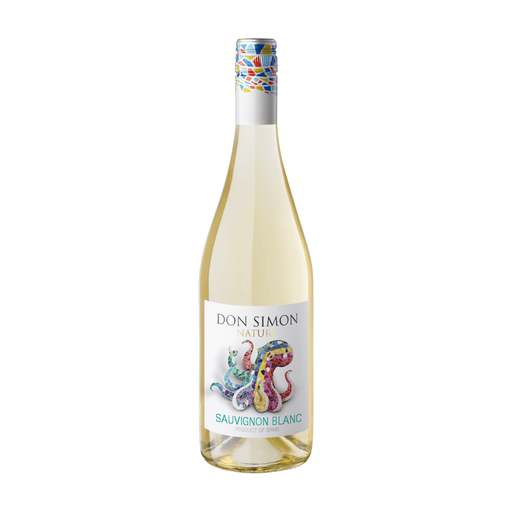
Why it suits this profile: A straightforward choice for anyone looking for a fresh, aromatic white wine for a weekday meal, drinks with friends or a light lunch.
The product information states the grape variety, origin in La Mancha, volume of 750 ml and specific pairings such as grilled fish and salad with goats’ cheese.
100% Sauvignon Blanc; described with lime, grapefruit and tropical fruit; contains sulphites.
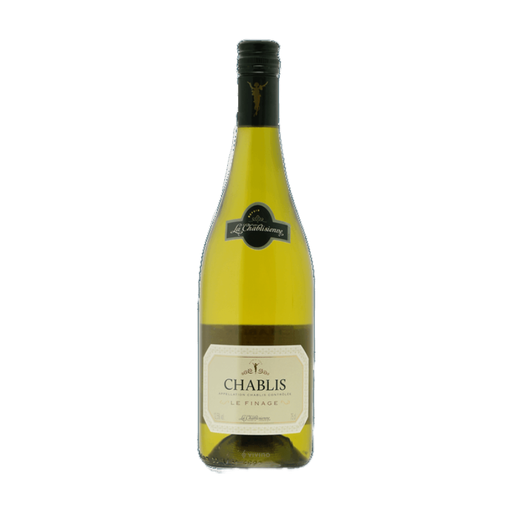
Why it suits this profile: Suitable for a dinner where origin, grape variety and a fresh, mineral style matter more than price alone.
The specifications make it clear that this is 100% Chardonnay from Chablis, with listed aromas of green apple and lemon.
French Chardonnay; 750 ml; 12,5% vol.; screw cap; pairs well with fish and shellfish.
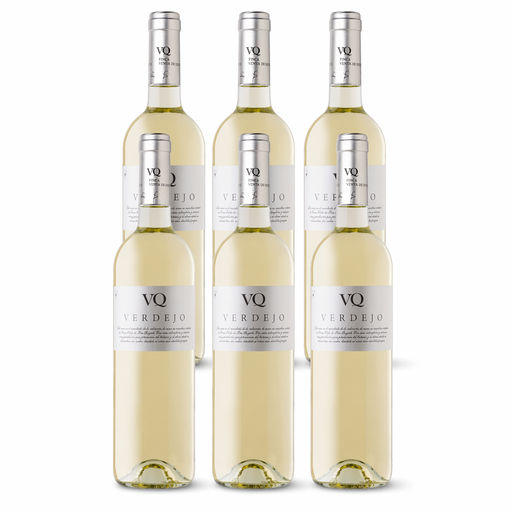
Why it suits this profile: Convenient for households that regularly serve white wine with tapas, fish, salads or informal drinks with friends.
The packaging clearly states that it contains six 750 ml bottles and 100% Verdejo. This makes the total quantity clear in advance.
Multipack with 6 x 750 ml; 100% Verdejo; suitable with tapas and white fish; contains sulphites.
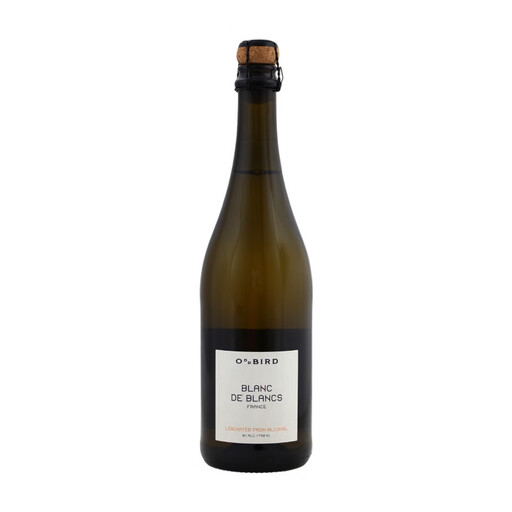
Why it suits this profile: A practical choice for a toast, birthday or dinner when you want to serve bubbles but are looking for a non-alcoholic wine.
The product description explicitly states that this is an alcohol-free sparkling wine. Always check the label on delivery for the current ingredients and composition.
Sparkling; alcohol-free according to the product description; 750 ml; suitable for celebratory occasions.
We have compiled a complete, up-to-date list of products that fully meet these strict selection criteria and the applicable European safety regulations.
A fresh Sauvignon Blanc, Verdejo or Chardonnay can pair well with light fish dishes. With shellfish, you can also choose a dry Chablis or Champagne Brut. The cooking method and sauce are key: a creamy sauce often calls for a rounder wine than a light salad.
A 750 ml bottle usually provides around five to six glasses, depending on the serving size. A multipack is practical for a dinner with several guests. When looking at offers, always check whether they include one bottle, two bottles or six bottles.
Seal the bottle well after opening and store it somewhere cool, preferably away from direct sunlight. The flavour changes over time as a result of contact with oxygen. Check the product packaging for specific storage advice. Alcoholic wine is intended exclusively for adults aged 18 and over; drink responsibly.
