
Vandaag of morgen in huis

Kwaliteit gegarandeerd

Welkomstaanbiedingen ontgrendelen: GRATIS bezorging | Tot 80% korting | Gratis 30 dagen JoyPlus-proefperiode
Download de app
Buying white wine online is convenient, but the sheer number of options can be overwhelming. A flashy label or a vague description can easily lead to disappointment. You think you're ordering a crisp, dry white wine for casual drinks, but you end up with a heavy, sweetish wine that's all wrong for the occasion. This kind of mistake is unnecessary and a waste of your money.
As a Joybuy Product Recommendation Officer, I see where things go wrong every day. Many people fall into the same traps. Let's look at the most common ones so you can sidestep them.
Fortunately, with a little basic knowledge, you can make far better choices.
You don't need to be a wine connoisseur to find the right bottle. Focus on a few concrete specifications that truly make a difference.
The grape largely determines the wine's character. Here are four popular grape varieties you'll often encounter:
Labels often use terms to describe the wine's style. The two main categories are:
The region where the wine comes from has a major influence. A cooler climate (like in Northern France) often yields wines with higher acidity and fresher aromas. A warmer climate (like in Southern Spain or Chile) produces riper, fuller fruit flavours and often a higher alcohol content. A Spanish white wine from La Mancha will therefore typically taste riper than a German Riesling.
To help you get started, we've matched a few wines to different situations. This selection is based on clear product specifications, not marketing claims.
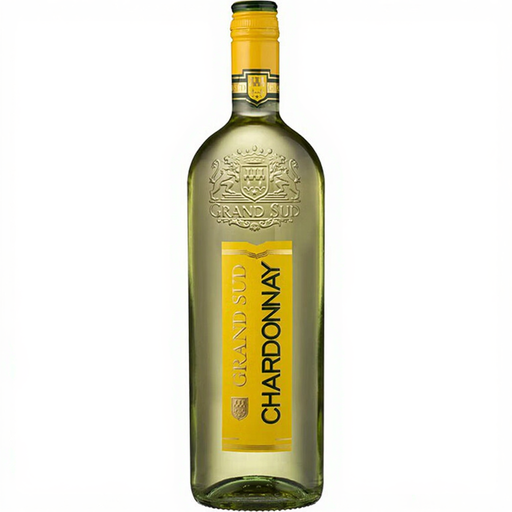
Why This Fits Their Persona: You're looking for an approachable, affordable wine for a party or just a weeknight. This litre bottle offers extra volume, and the Chardonnay grape is a real crowd-pleaser. Ideal if you're expecting a larger group or want to stock up.
This isn't an anonymous Chardonnay. The description mentions specific notes of apricot and peach, so you know you're getting a fruity and soft wine. It sidesteps the "familiar grape" trap by providing clarity on its style.
Litre Bottle: More wine for your money.
Flavour Profile: Soft and fruity, which appeals to a broad audience. Pairs well with poultry, fish, and pasta.
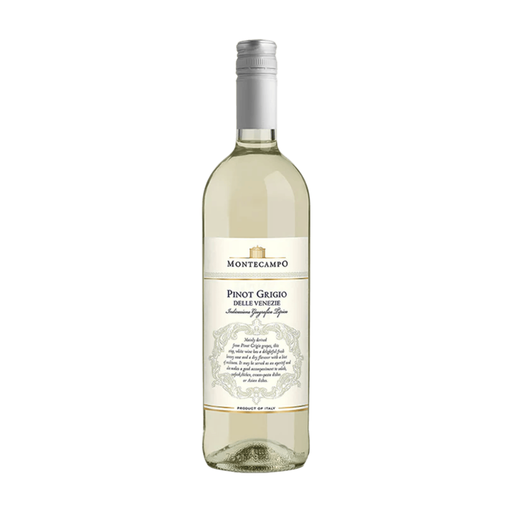
Why This Fits Their Persona: You love a classic, refined, and dry white wine. No fuss, just a good glass of wine to go with a meal or as an apéritif. This Italian Pinot Grigio from Veneto is a textbook example of the style.
This wine avoids the "vague flavour" trap by naming concrete aromas: green apple, juicy pear, and light citrus. The description "crisp, dry finish" leaves no room for doubt about its style.
Classic Origin: Veneto, Italy, is renowned for its quality Pinot Grigio.
Versatile Pairing: Pairs well with grilled fish, light pastas, bruschetta, and soft cheeses.
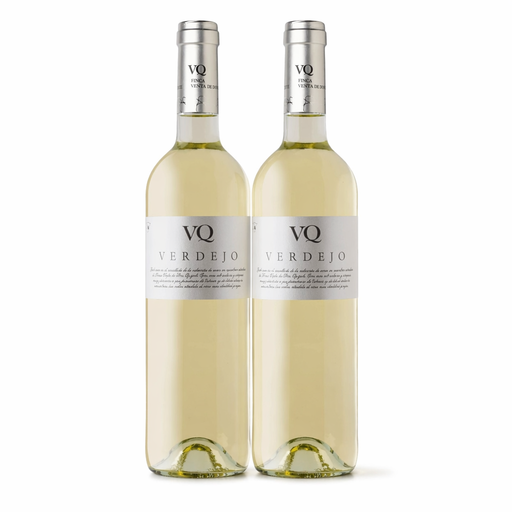
Why This Fits Their Persona: You're looking for a vibrant, aromatic Spanish white wine that's reminiscent of a holiday. Ideal for tapas or a sunny afternoon. This Verdejo from Rueda is exactly that, and it comes in a convenient duo-pack.
This wine dodges the "price equals quality" trap. Verdejo often offers excellent value for money. You get a characterful, aromatic wine without paying a premium. The clear flavour notes (melon, peach, citrus) help you make the right choice.
Aromatic Character: More expressive than a standard Pinot Grigio.
Value Pack: A case of white wine (or in this case, a duo-pack) often represents a great white wine deal.
We have curated a complete, up-to-date list of products that fully meet these strict selection criteria and current regulations.
An opened bottle of white wine, tightly sealed with its cork or a wine stopper, can be kept in the refrigerator for about 3 to 5 days. Lighter, crisper wines like Sauvignon Blanc lose their aromas more quickly than fuller-bodied wines like an oaked Chardonnay. A sparkling wine like Prosecco will lose its fizz after just 1 to 2 days.
The biggest difference lies in the aromas and mouthfeel. Sauvignon Blanc is almost always crisp, zesty, and aromatic with green and citrus notes. Chardonnay is more versatile: from crisp and mineral-driven (unoaked) to full, creamy, and buttery (with oak ageing). If you love a distinctly crisp wine, choose Sauvignon Blanc. For a rounder, softer wine, Chardonnay is often a better choice.
No, definitely not. Price is influenced by many factors: the winery's reputation, production methods, the scarcity of the grapes, and marketing. An affordable Spanish white wine made from the Verdejo grape might be far more enjoyable for you than an expensive French wine. The most important thing is that the wine suits your taste and the occasion. Use the specifications as your guide, not just the price.
