
Vandaag of morgen in huis

Kwaliteit gegarandeerd

Welkomstaanbiedingen ontgrendelen: GRATIS bezorging | Tot 80% korting | Gratis 30 dagen JoyPlus-proefperiode
Download de app
Buying port wine might seem straightforward, but the range varies greatly in flavour, alcohol content, bottle size and when to serve it. A sweet red port for cheese calls for a different choice than a bottle for an aperitif or a port gift.
When ordering online, watch out for these common pitfalls:
Ruby port is a red, sweet and fruity style. Product descriptions for various ruby ports mention red berries, plums, cherries and spices, among others. This style works well with chocolate, red fruit, ice cream desserts and a hearty cheese board.
Tawny port, according to the available product information, has a softer and rounder profile, with possible notes of dried fruit, nuts, caramel and vanilla. This makes tawny port a good match for tiramisu, caramel, dried fruit, mild cheese and nut-based desserts.
White port is an alternative for those not looking for a red port. The product description of Offley White Port mentions aromas of flowers, apricot, peach, marmalade and dried fruit. Do check the label if you're after a specific sweetness level.
A mention of reserve refers to the product category and ageing according to the brand's information. Also assess the bottle on volume, alcohol content, ingredients and serving advice. This way, you avoid a marketing term overshadowing the practical details.
The selected port products have an alcohol content of around 19 to 20 percent. Offley Ruby Port contains 19.5 percent alcohol according to the product data, while Offley Port Reserve states 20 percent. Kopke Fine Ruby Port and Kopke Fine Tawny Port also list 19.5 percent.
For an aperitif or dessert, 375 ml is a practical size if you plan to drink only a small amount or want to compare several bottles. A 750 ml bottle is better suited for sharing, a dinner party or a port gift. Always check the product page and label, as specifications can vary by variant.
Many wine and port products contain sulphites. This is explicitly stated in the product information for Offley Ruby Port, Kopke Fine Ruby Port, Kopke Fine Tawny Port and Offley Port Reserve. Check the label if you are sensitive to sulphites.
Store an opened bottle tightly sealed, in a cool place away from direct sunlight. Avoid strong temperature fluctuations. The exact shelf life and how long it keeps after opening are stated on the packaging. Drink responsibly; these products are intended for adults only.
For a classic red port with cheese or dessert, ruby and tawny are logical starting points. If you're looking for an ordinary red wine for dinner, you might instead consider a Barolo wine, Rioja Crianza, Hungarian red wine or Australian red wine. These wines typically have a different alcohol content and a less sweet profile.
A Barolo such as Serre Dei Roveri Barolo D.O.C.G. contains 14 percent alcohol according to the product data. Covila Rioja Crianza is linked in the product description to pasta with meat sauce, tapas, sausages and burgers. D'Arenberg d'ARRY's Original Grenache Shiraz from Australia lists 14.5 percent alcohol and a blend of Grenache and Shiraz.
For Asian recipes, Shaoxing wine is a different product category. Kuai Ji Shan 5-Year Aged Chunzheng Shaoxing Wine contains rice, wheat and water according to the product information, and has a minimum of 14 percent alcohol. Lao Heng He Original Brewed Cooking Wine contains rice wine, water, salt and spices, and lists 20 percent alcohol. Luhua Natural Aromatic Cooking Rice Wine is intended for marinating, braising and stir-frying.
Be aware of the difference between drinking wine and Chinese cooking wine. Cooking wine often contains salt, herbs or flavour enhancers and is not the same as a dessert wine or fortified wine to be drunk on its own.
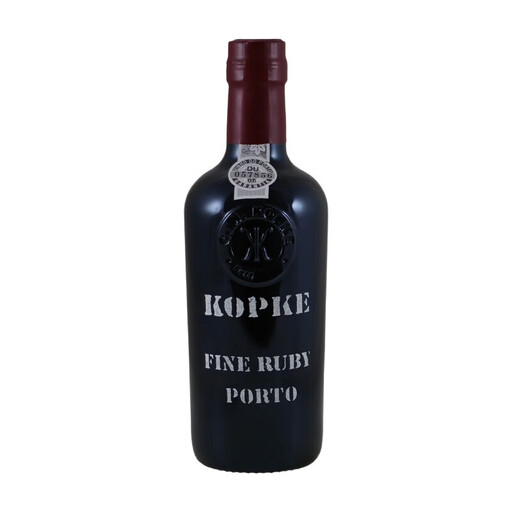
Why this fits the profile: The smaller bottle is practical when you want to try ruby port first or serve it to a small group.
The volume and alcohol content of 19.5% are clearly stated, so you can compare the bottle on size and when to use it.
375 ml; ruby style; suitable as an aperitif or with cheese according to the product description.
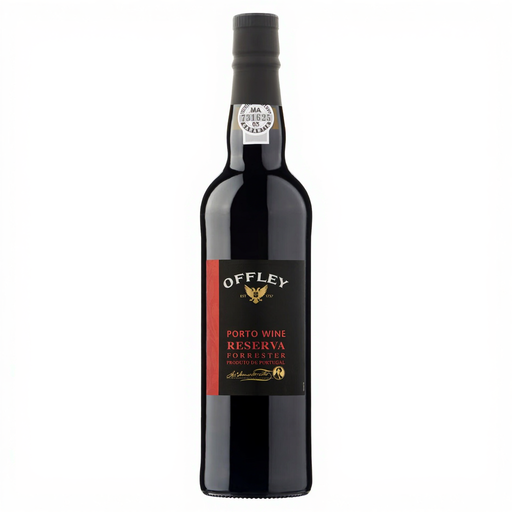
Why this fits the profile: The bottle is suitable for a dinner party, cheese board or port gift when you're looking for a red reserve style.
The choice is based on verifiable data: 500 ml, 20% alcohol and a mention of sulphites.
Red reserve port; 500 ml; according to the product description, pairs well with cheese and chocolate desserts.

Why this fits the profile: The litre bottle is intended for regular use in marinades, stews and stir-fries.
The product description explicitly mentions culinary use. This makes it clear that it is not a dessert wine to be served as port.
1 litre; rice wine with spices; suitable for marinating, braising and stir-frying.
We've put together a full, up-to-date list of products that fully meet these strict selection criteria and comply with current European safety regulations.
Ruby port, according to the product descriptions, pairs well with red fruit, chocolate, ice cream desserts and strong cheese. Tawny port is more suited to caramel, dried fruit, nuts, tiramisu and mild cheeses. Choose based on the dessert and check the flavour description on the product page.
After use, seal the bottle carefully and store it in a cool, dark place without major temperature fluctuations. The exact shelf life after opening varies by product. Always consult the label and the manufacturer's instructions.
Yes, a bottle of port can be suitable as a gift for an adult wine lover. Choose 750 ml when the bottle will be shared, and 375 or 500 ml when you're looking for a smaller token. Check the type of port, the alcohol content and the presence of sulphites beforehand.
