
Vandaag of morgen in huis

Kwaliteit gegarandeerd

Welkomstaanbiedingen ontgrendelen: GRATIS bezorging | Tot 80% korting | Gratis 30 dagen JoyPlus-proefperiode
Download de app
Buying a bottle of white wine online may seem straightforward, but the range varies considerably in grape variety, flavour, origin and size. An appealing name or description does not always tell you enough about what to expect in the glass. By checking a few key points, you can avoid a disappointing purchase and find a dry white wine, fresh white wine, fruity option or sweet white wine that suits the occasion.
French white wine, Spanish white wine and Australian white wine can all taste very different. The grape variety, region and production methods are just as important. La Mancha, for example, produces both Sauvignon Blanc and Chardonnay with very different flavour profiles. So do not just look for “France” or “Spain”; check the grape variety and product description too.
A wine with aromas of peach, pineapple, lime or green apple can smell fruity and still taste dry. Check whether the description uses terms such as dry, off-dry, slightly sweet or sweet. Soroca Sauvignon Blanc, for example, is described as slightly off-dry, while Grand Sud Chardonnay is labelled as dry.
A 750 ml white wine bottle is convenient for a meal shared by a few people. If you are buying wine for a larger group, it is better to compare the price per litre. A 1-litre white wine bottle or white wine by the case may be more practical for a party or regular use. Also check the closure, storage advice and how long the wine will keep after opening. An opened bottle will not stay at its best indefinitely.
The grape variety provides an initial indication of the style:
A blend can be an interesting choice if you are not looking for one distinctive grape variety. You can also browse the white wine blend range.
For a fresh white wine, acidity and a lively style are important. With a fruity white wine, look for aromas of citrus, apple, pear, peach or tropical fruit. A full-bodied wine generally feels rounder and pairs better with creamy sauces, poultry or rich fish dishes.
The product description is a useful guide, but taste is personal. “Soft” does not automatically mean sweet, and “fresh” does not mean that the wine contains little alcohol. Where available, check the alcohol percentage and nutritional information on the product label.
When ordering online, look out for:
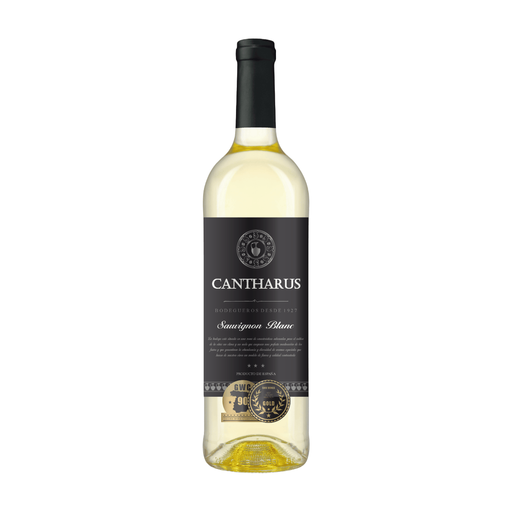
Why it suits this profile: According to the product information, this Spanish Sauvignon Blanc from La Mancha has a fresh and fruity style, with pineapple, passion fruit and green apple. This makes the bottle approachable for anyone keen to explore different flavours.
The grape variety, origin and flavour style are clearly stated. This means you do not have to rely solely on an eye-catching label or a vague marketing term.
750 ml; 100% Sauvignon Blanc; according to the product information, suitable for goat’s cheese salad, grilled fish and tapas; contains sulphites.
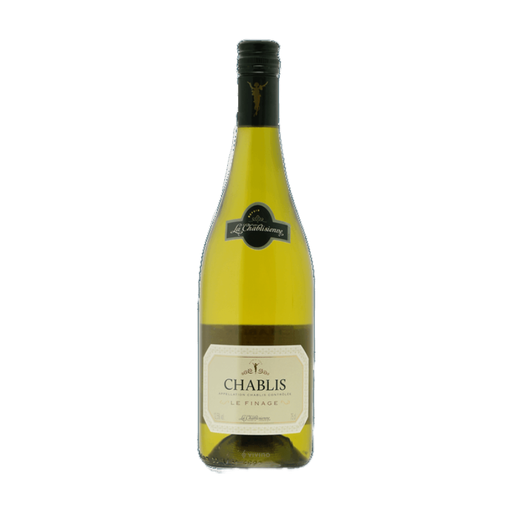
Why it suits this profile: If you are looking for a French white wine with a recognisable origin, this is 100% Chardonnay from Chablis. The product information describes green apple, citrus, fresh acidity and a mineral character.
The region and grape variety are clearly specified. This gives you more useful information than a non-specific description such as “stylish white wine”.
750 ml; 100% Chardonnay; screw cap; according to the product information, suitable with shellfish, poultry and salads; contains sulphites.
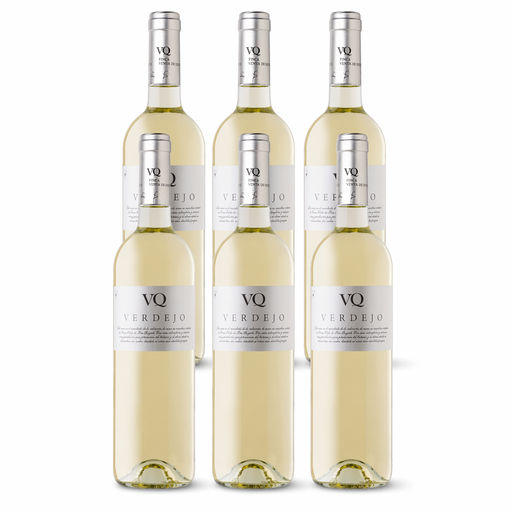
Why it suits this profile: A case of six bottles is ideal for regular dinners, keeping a larger stock or serving a group. The Spanish Verdejo is described as fresh and fruity, with melon, peach and citrus notes.
The number of bottles and volume per bottle are clearly stated. With a multipack, compare the price per bottle and check that six bottles are practical for your storage space.
6 x 750 ml; 100% Verdejo; according to the product information, suitable for tapas, white fish and salads; contains sulphites.
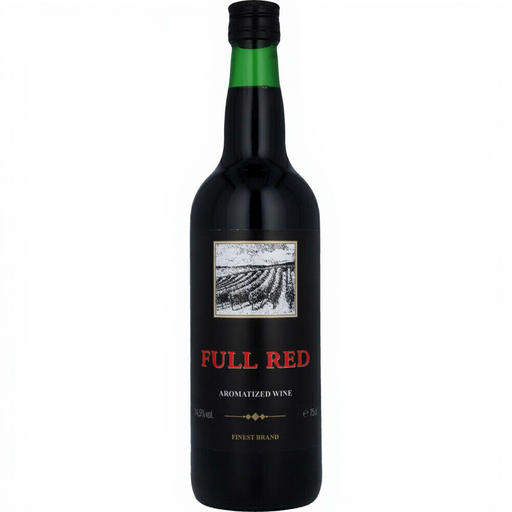
Why it suits this profile: The product description mentions a soft, slightly sweet flavour. This bottle is therefore a good fit for anyone looking for a sweet white wine to enjoy as an aperitif or with dessert.
The sweeter style is stated explicitly. However, check the current ingredients list and nutritional information on the packaging before ordering.
750 ml; slightly sweet according to the product description; suitable as an aperitif or with desserts; the product information states that it contains none of the 14 major EU allergens.
We have put together a complete, up-to-date list of products that fully meet these strict selection criteria and the applicable European safety regulations.
The right pairing depends on the intensity of the dish:
Serve white wine chilled according to the label and keep opened bottles tightly sealed. Alcohol is intended for adults only; drink responsibly and do not drink alcohol during pregnancy.
Sauvignon Blanc, Verdejo and Pinot Grigio are often described as fresh and fruity. When comparing wines, look for specific flavour notes such as citrus, green apple, grapefruit, pear or melon. The exact experience varies from bottle to bottle.
No. Chardonnay can taste dry, but it can also be soft, round or fuller-bodied. Some varieties have fruity notes or a subtle influence of oak. Check the product description and label rather than relying on the grape variety alone.
A multipack can be practical if you serve wine regularly, but it is not automatically better value. Compare the total price, price per 750 ml and delivery costs. Also check that you have enough storage space and consider how long the wine will keep once opened.
