
Vandaag of morgen in huis

Kwaliteit gegarandeerd

Welkomstaanbiedingen ontgrendelen: GRATIS bezorging | Tot 80% korting | Gratis 30 dagen JoyPlus-proefperiode
Download de app
A robot vacuum that can also mop sounds like a dream for any busy household: coming home to a clean house without having to lift a finger. However, the market is flooded with models that promise the world. Many of these promises lead to disappointment and buyer's remorse. Before you invest, it's crucial to see through the marketing jargon.
There are three common pitfalls consumers fall into:
This guide will help you recognise these pitfalls and focus on the specifications that truly matter in practice.
To make an informed choice, it's wise to look beyond the marketing claims. Pay close attention to the following three technical features.
The way a robot maps your home and plans its route is crucial for an efficient clean. The most advanced and reliable technology available today is LiDAR navigation (Light Detection and Ranging).
A smart robot vacuum with LiDAR is often worth the extra cost, as it gives you the assurance of a complete and thorough cleaning session.
Suction power, expressed in Pascals (Pa), is important, but only in combination with a well-designed brush system.
Also, pay attention to the brush. A rubber brush with an anti-tangle design is a must-have for households with pets or long-haired residents. This prevents you from having to cut tangled hair out of the brush every week.
The term "self-cleaning" is used for many different functions. It's important to know what level of automation you're getting:
Based on objective specifications, we have selected a number of models that suit different needs and budgets.
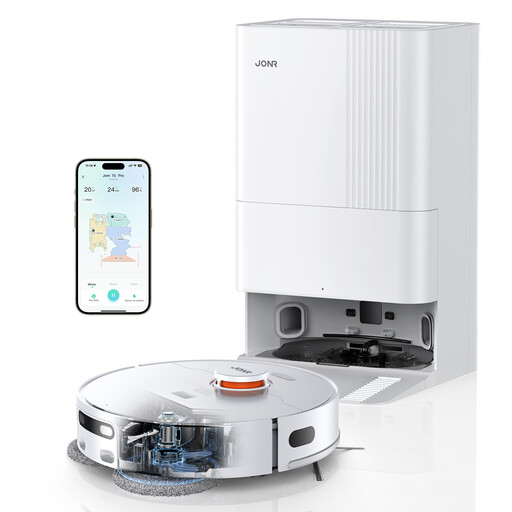
Why This Fits Their Persona: Ideal for those who want to explore the world of robot vacuum and mop combos without breaking the bank. This model offers advanced features normally found in a higher price range, such as an all-in-one station and powerful suction.
This model combines a high suction power of 8150 Pa with LiDAR navigation, thereby bypassing both the suction power myth and the poor navigation pitfall. The station dries the mops with hot air, which is a step up from simple auto-empty stations.
Offers an automated station with hot-air drying and LiDAR navigation at a very accessible price point. The high suction power also makes it suitable for carpets and pet hair.
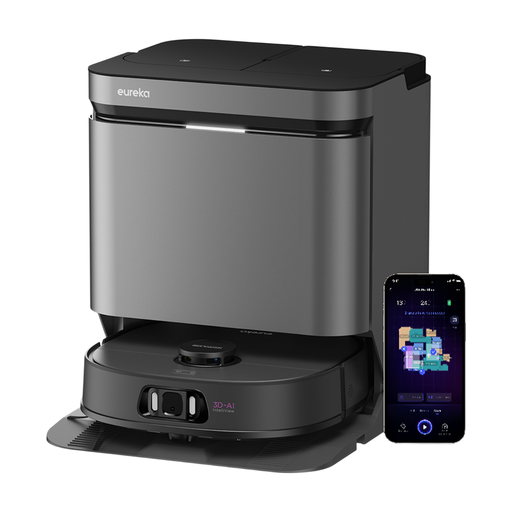
Why This Fits Their Persona: For households where pet hair is a daily battle. This model is specifically designed to tackle hair with immense suction power and a brush that keeps itself tangle-free, while the station minimises maintenance.
The 16200 Pa suction power is not an empty promise; it's combined with FlexiRazor anti-tangle technology that actively cuts hair. The fully self-cleaning station with 75°C hot water cleaning also addresses the maintenance pitfall.
Specifically designed to tackle pet hair with an anti-tangle brush. The station washes the mops with hot water, ensuring a more hygienic result.
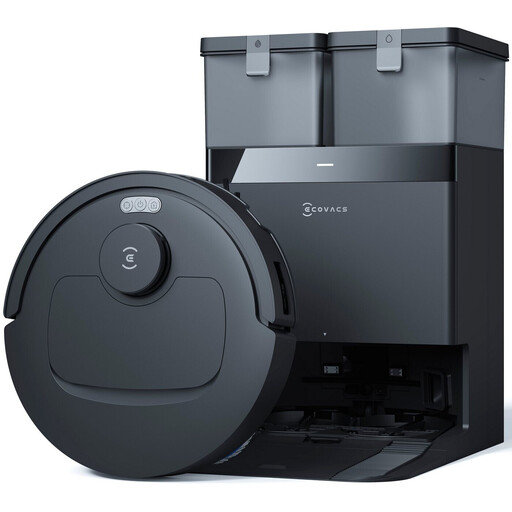
Why This Fits Their Persona: For those looking for the ultimate 'set-and-forget' experience. This model takes virtually all the work off your hands with one of the most advanced docking stations on the market and a focus on cleaning edges and corners.
This model tackles all three pitfalls. The extreme suction power of 25,000 Pa is paired with an anti-tangle brush. The TruEdge 2.0 technology ensures superior edge cleaning. The OMNI station is fully self-cleaning, including 75°C hot water washing and automatic refilling.
One of the most complete and low-maintenance systems available. The combination of extreme suction, edge cleaning, and a fully automated station offers a premium cleaning experience.
We have compiled a complete, up-to-date list of products that fully meet these strict selection criteria and Dutch safety regulations.
Although the robot does a lot on its own, periodic maintenance is still required. With a fully self-cleaning station, you typically need to replace the dust bag in the station once every 1-2 months. Additionally, you'll need to empty and refill the clean and dirty water tanks, depending on how often you use the mopping function. It is also advisable to wipe the sensors on the robot and the station with a dry cloth monthly.
Yes, most modern models are well-equipped for this. A smart robot vacuum automatically detects carpet. When the robot moves onto a carpet, it will lift its mopping pads to prevent the carpet from getting wet. At the same time, it often increases its suction power for a deeper clean. Always check if the model you are considering has carpet detection and a mop-lifting feature.
The lifespan of a robot vacuum is typically 3 to 5 years, depending on use and maintenance. The battery is often the first component to wear out. Most batteries are designed to retain about 80% of their original capacity after approximately 500 charging cycles. With daily use, this means you might notice a decrease in battery life after about 2 years. On many models, the battery is replaceable. Regular maintenance, such as cleaning brushes and filters, significantly extends the lifespan of the motor and other components.
