
Vandaag of morgen in huis

Kwaliteit gegarandeerd

Welkomstaanbiedingen ontgrendelen: GRATIS bezorging | Tot 80% korting | Gratis 30 dagen JoyPlus-proefperiode
Download de app
A robot vacuum with a mopping function can remove dust, crumbs and hair every day without you having to vacuum and mop the house yourself. However, not every model is suitable for every British home. A flat with hard floors requires something different from a house with pets, high thresholds and several types of carpet.
Product descriptions do not always tell you what to check in practice, either. So pay particular attention to these three common pitfalls.
A high figure in Pa, such as 8,150 or 20,000 Pa, sounds impressive. This is the stated maximum suction power, but it does not tell you everything about performance. The brush, airflow, filter and floor recognition also affect the results. So check whether the model is suitable for both hard floors and carpet, and whether the suction power can be adjusted via the app.
Most robot vacuums with a mopping function use a damp mop pad or rotating mop. They are designed for everyday maintenance, not for sucking up puddles or large quantities of liquid. An automatic mop lift is useful if you have carpet. Without this function, the damp mop may move across the carpet.
A robot vacuum with a self-cleaning station can wash and dry the mop and sometimes empty the dustbin. You will still need to empty water tanks, clean filters, remove hair and replace consumables. Also check the dimensions of the station and the amount of clearance required. For various models, at least 0.5 metres on both sides and 1.5 metres in front is recommended.
For pet hair and carpet, a robot vacuum with strong suction power is useful, but also look for an anti-tangle brush or anti-tangle side brush. Otherwise, hair can wind itself around the main brush, meaning that manual maintenance is still required.
A model with 4,000 Pa, such as the Lubluelu L15 Max, may be sufficient for everyday dust and hair. Models with a higher stated suction power are particularly worth considering for households with several pets, fine sand in the hallway or both low- and deep-pile carpet. Where possible, compare Pa values within the same product range, as manufacturers do not always present measurements in the same way.
A robot vacuum with LiDAR navigation uses lasers to map your home and generally moves systematically rather than randomly. This is useful for multiple rooms, cleaning schedules and virtual no-go zones.
However, LiDAR does not prevent every problem. Cables, clothing left on the floor, toys and full-length mirrors can still cause blockages. A camera- or 3D-based obstacle-recognition system may offer additional detection, but always check the installation guide and user settings.
A robot vacuum with an automatic emptying station reduces the need to empty the small dustbin every day. Pay attention to the type of collection system:
With a robot vacuum with hot-water cleaning, check which temperature and functions are actually listed in the product information. Use clean water only, unless the manufacturer explicitly permits a suitable cleaning solution.
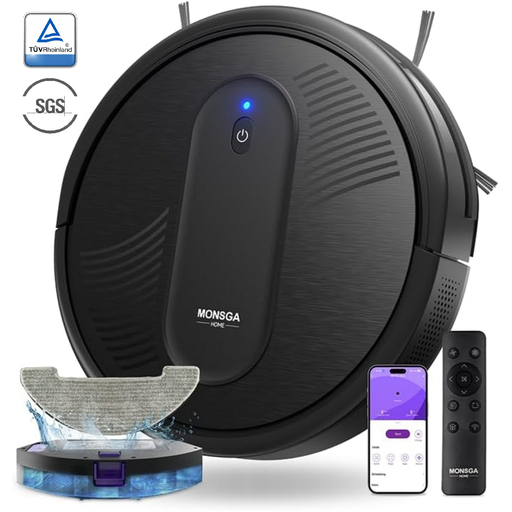
Why it suits this profile: According to the product information, this model has a low-profile 3.2-inch design and is intended for hard floors, low-pile carpet and pet hair. It can be controlled by remote control, app or voice assistant.
The stated 4,000 Pa is combined with simpler controls. However, check for yourself whether the mopping module and collection container suit your preferred cleaning routine.
3.2-inch-high body according to the product information; app, remote-control and voice control.
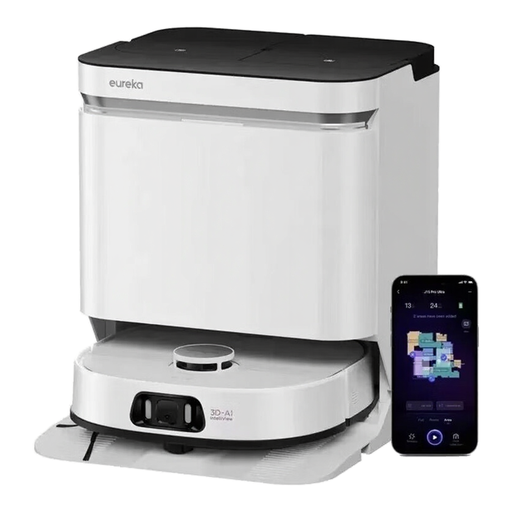
Why it suits this profile: According to the product information, this model combines 16,200 Pa, LiDAR, a self-cleaning station, mop lift and 75°C hot-water cleaning. That makes it a good fit for households looking for a high level of automation.
The station takes care of several maintenance tasks. Check the available space beforehand and remember that you will still need to empty the tanks and carry out periodic checks.
16,200 Pa according to the specification; 3-litre dustbin in the station; LDS navigation and automatic brush and mop lift.
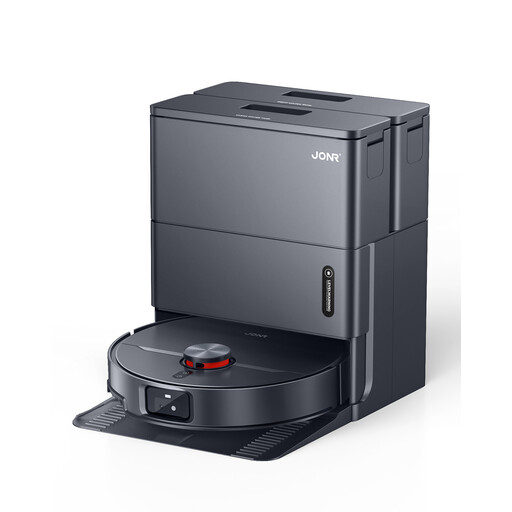
Why it suits this profile: According to the product information, this model is designed for intensive cleaning, with maximum suction power of 20 kPa, extendable dual arms and a station that washes with 75°C water and dries with 45°C warm air.
The anti-tangle function and automated cleaning reduce manual brush and mop maintenance. However, check water consumption and the correct floor settings.
Up to 20 kPa according to the product information; 75°C hot-water washing; 45°C warm-air drying; tangle-free hair removal.
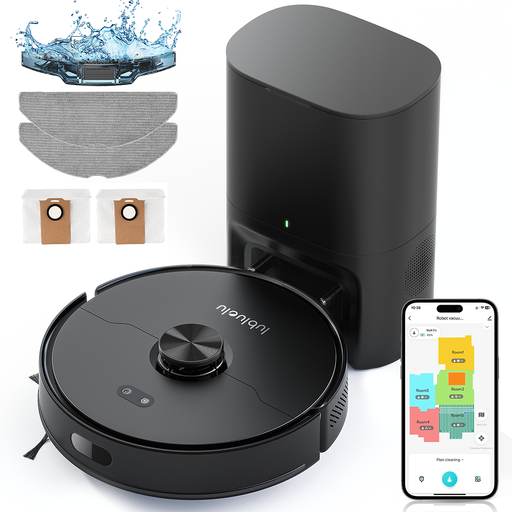
Why it suits this profile: According to the product information, this model offers 4,000 Pa, LiDAR navigation, app control and storage for up to five maps. This is practical for homes with multiple floors or different cleaning zones.
The mapping function and virtual boundaries help you clean rooms in a targeted way. The mop pad still needs to be rinsed after use, and the filter requires regular maintenance.
Up to five stored maps; LiDAR 9.0 according to the product information; app control and automatic suction boost on carpet.
We have put together a complete, up-to-date list of products that fully meet these strict selection criteria and the applicable European safety regulations.
Before buying, also check the availability of dust bags, filters, mop pads and brushes. The running costs consist not only of the purchase price, but also of these replacement parts and the station’s electricity and water consumption.
That depends on the model. If you have carpet, ideally choose a device with carpet detection and an automatic mop lift. Without these functions, you can set a no-go zone or remove the mopping module before vacuuming.
Its lifespan depends on usage, maintenance, battery condition and the availability of parts. Removing hair from the brush daily, cleaning the filters on time and keeping the station dry can help prevent unnecessary wear. Always check the warranty and service terms for the specific model.
As well as electricity and water, you need to allow for dust bags, filters, mop pads and brushes. A bagless station avoids the cost of dust bags, while a station with a dust bag can generally provide a cleaner emptying process. Check the product page to see which parts are included and which are available separately later.
