
Vandaag of morgen in huis

Kwaliteit gegarandeerd

Welkomstaanbiedingen ontgrendelen: GRATIS bezorging | Tot 80% korting | Gratis 30 dagen JoyPlus-proefperiode
Download de app
A robot vacuum with a mopping function can take on a great deal of household work, but not every model is right for every home. A smooth PVC floor has different requirements from a home with deep-pile carpet, pets and long hair. A large cleaning station is not automatically convenient either if you do not have a suitable place for it.
If you only look at the highest suction-power figure, you may therefore end up with the wrong choice. Pay particular attention to the combination of navigation, floor recognition, maintenance and mopping management. Below, you will find the key points to consider, along with several popular options based on verifiable product specifications.
A high Pa figure sounds appealing, but it does not tell you everything about how well the robot will clean your home. The result also depends on the brush, airflow, flooring and the way the robot moves across the floor.
For example, a robot vacuum for pet hair benefits more from a well-designed anti-tangle system than from high suction power alone. Therefore, check whether the product information mentions anti-tangle brushes, dual brushes or hair guidance.
With basic models, you need to fill the water tank, wash the mop and leave it to dry after use. With a robot vacuum featuring a self-cleaning mop station, the base station takes over some of these tasks. However, filters, brushes, dust bags and sensors still require maintenance.
Also pay attention to the type of cleaning. According to the product description, a robot mop with hot-water cleaning can mop using heated water, but always check the stated temperature, drying function and maintenance instructions for the specific model.
A robot may be able to recognise objects according to the product information, but loose cables, socks and toys remain practical risks. Before the first cleaning cycle, carry out a test run and pay particular attention to thresholds, chairs, pet bowls and narrow passages.
A robot vacuum with LiDAR navigation uses laser scans to map rooms and obstacles. This helps it follow systematic routes and clean multiple floors. Check whether the model supports multi-floor mapping and whether you can set up rooms, no-go zones and carpeted areas in the app.
Models that only move randomly may be suitable for a smaller home, but are less practical if you want a fixed cleaning schedule for each room.
When choosing a robot vacuum for carpet and hard floors, the following points are relevant:
A robot vacuum with an automatic emptying function usually uses a dust bag or collection container in the base station. Check its capacity, the price of replacement bags and the availability of filters and mop pads.
When mopping frequently, the following specifications are important:
A large station takes up more space. Measure the available width, depth and height in advance. Also allow for a power socket and sufficient space for the robot to return to the station independently.
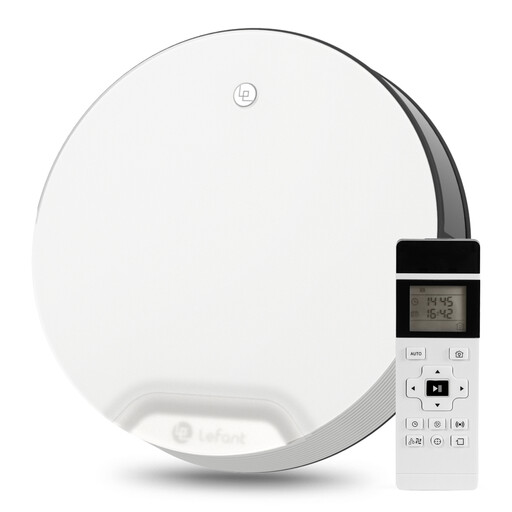
Why it suits this profile: According to the product information, this model offers 4,500 Pa suction power, up to 165 minutes of operating time and several cleaning modes. That makes it suitable for anyone looking for a simple robot for everyday dust collection.
The stated specifications are clear, so you do not have to rely solely on marketing claims about extensive automation. However, check that the mopping function you want is included with the offer.
4,500 Pa suction power; 560 ml dust container; anti-drop function and stated suitability for pet hair.
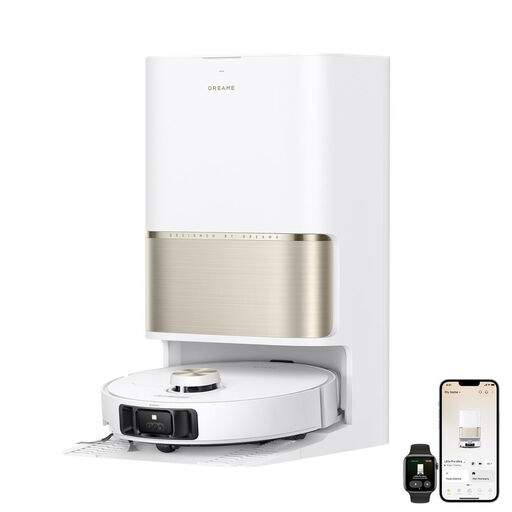
Why it suits this profile: According to the product description, this model combines 30,000 Pa suction power with a PowerDock station, automatic dust emptying, mop washing and hot-air drying. This is ideal for users who want to minimise manual maintenance.
The product information clearly states which tasks the station performs. Before buying, check the amount of free space required and the cost of consumables.
30,000 Pa according to the product specification; LiDAR/laser navigation; dual brush with anti-tangle function; automatic water refilling.
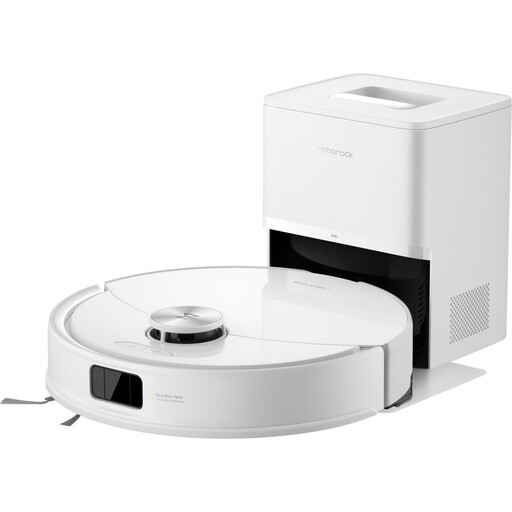
Why it suits this profile: With 10,000 Pa suction power, LiDAR navigation, automatic mop lifting and an anti-tangle system, this is a logical choice for homes with carpet, hard floors and pet hair.
According to the product specifications, the mop lifts 8 mm when carpet is detected. This helps limit moisture on soft flooring, but check how it performs during the first few cleaning cycles.
150 minutes of operating time; 2.7-litre dust bag in the RockDock Plus station; stated noise level of 65 dB.
We have put together a complete, up-to-date list of products that fully meet these strict selection criteria and the applicable European safety regulations.
Place the charging station on a level surface, preferably with clear space at the sides and in front. Remove loose cables and small objects during the initial mapping run. Then set up rooms, cleaning times and no-go zones in the app.
When mopping, only use the water and cleaning products approved by the manufacturer. Clean the mop pads, brush and sensors regularly, even when the station washes them automatically. If you have pets, also check more frequently for hair around the side brush and wheels.
That depends on the floor-recognition system and mop-lifting function. Models such as the Roborock Q10 VF+ state that they lift the mop automatically when carpet is detected. Also check the permitted pile height and test the route in a small area first.
It requires less daily maintenance, but not no maintenance at all. Among other things, you will need to refill the water, empty the dirty water, clean the filters and check the brushes. The exact frequency depends on usage, floor area and whether you have pets.
In addition to electricity, you need to allow for replacement dust bags, filters, mop pads and, potentially, cleaning solution. Therefore, do not compare only the purchase price. Also check which parts are included and how readily available replacements are.
