
Vandaag of morgen in huis

Kwaliteit gegarandeerd

Welkomstaanbiedingen ontgrendelen: GRATIS bezorging | Tot 80% korting | Gratis 30 dagen JoyPlus-proefperiode
Download de app
A robot vacuum promises a life with fewer household chores. But the reality is that many people buy a model that gets stuck under the sofa, skips half the room, or causes more problems than it solves. The market is flooded with technical jargon and promises that often sound better than they are. Before you invest, it's crucial to recognise the most common pitfalls.
automatic vacuum that randomly bumps around the room is often marketed as 'smart'. In practice, this leads to frustration, missed spots, and a robot that constantly needs to be rescued.To avoid a bad purchase, focus on the technology that makes a real difference in your daily life.
The navigation method determines how efficient and autonomous your robot is.
A clean floor is the result of a good balance between three elements.
robot vacuum for pet hair benefits from a brush with an anti-tangle design, often made of rubber or with special fins. This prevents hair from wrapping around the brush, saving you from having to cut it free every week.A standard robot vacuum needs to be emptied after every cleaning session. A robot vacuum with a self-empty station takes this task off your hands. After cleaning, the robot returns to the station, which automatically vacuums the dustbin into a larger bag or container. This means you don't have to think about it for weeks. Some advanced stations can even wash and dry the mops.
Based on objective specifications, we have selected several models that suit specific needs and living situations.
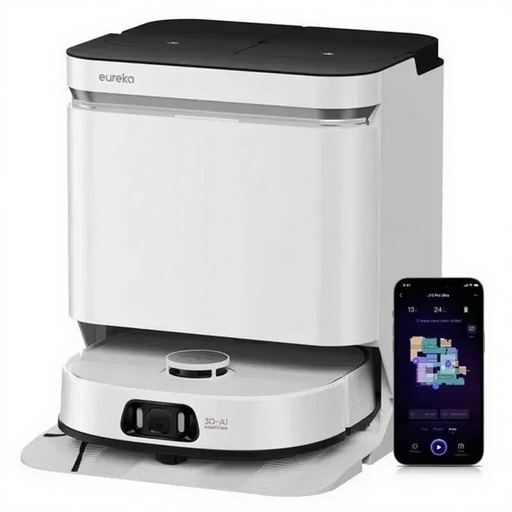
Why This Fits Their Persona: For the busy professional or family seeking maximum automation. This model is designed to operate completely independently for weeks, freeing up your time for other things.
The OMNI station is more than just a self-empty dock; it washes the mops with 75°C hot water and dries them, preventing the 'dirty mop' pitfall. Its LiDAR navigation and AI obstacle detection bypass the 'dumb navigation' trap.
Fully autonomous station: Empties dust, washes, and dries mops. FlexiRazor anti-tangle technology: Actively cuts through hair, ideal for households with long hair or pets.
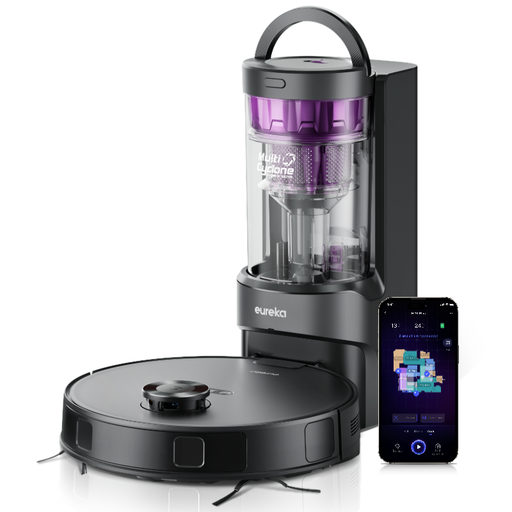
Why This Fits Their Persona: Specifically aimed at the challenges of pet hair. The combination of high suction power and a self-empty station makes daily maintenance in a home with dogs or cats significantly easier.
The 8000 Pa suction power isn't an empty marketing claim but functional strength to pull pet hair from deep within carpets. The anti-tangle feature and self-empty station tackle the two biggest frustrations for pet owners: clogged brushes and constant emptying.
Powerful suction (8000 Pa): Effective for removing hair and debris. Bagless self-empty station: Up to 45 days of hands-free cleaning without the cost of replacement dust bags.
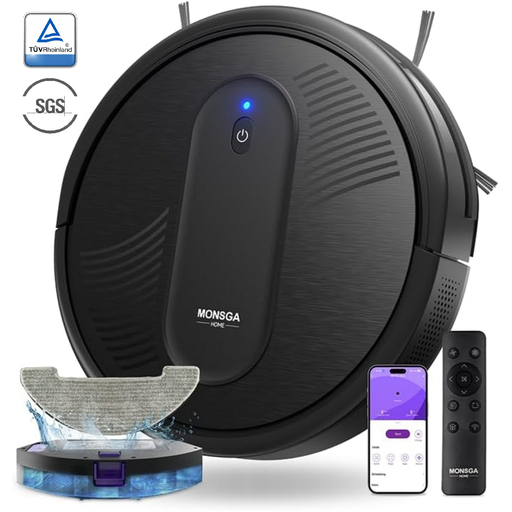
Why This Fits Their Persona: Ideal for those in an apartment or smaller home looking for an affordable, no-nonsense solution. Its slim design fits easily under furniture, and its features are focused on the essentials: effective vacuuming.
This model avoids the pitfall of superfluous, poorly executed features. It focuses on one task—vacuuming—and does it well for its price point. The 3000 Pa suction power is realistic and effective for hard floors and low-pile carpet.
Super-slim design (8.1 cm): Cleans easily under low sofas and cabinets. Long runtime (140 min): Can clean most apartments in a single charge without interruption.
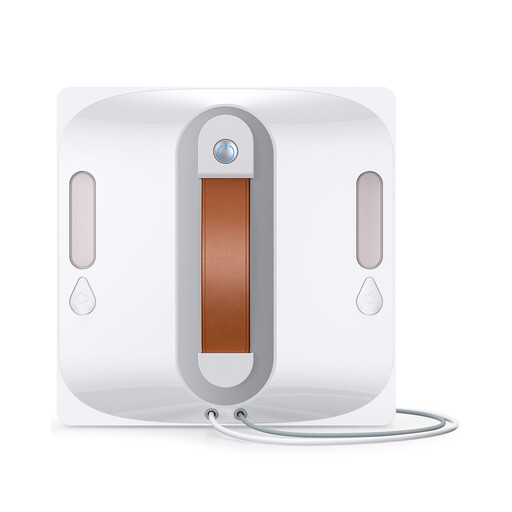
Why This Fits Their Persona: For anyone who dreads the dangerous and time-consuming job of washing windows, especially on upper floors. This `window cleaning robot` automates a specific, difficult cleaning chore.
This isn't a general-purpose robot, but a specialist. It avoids the pitfall of 'all-in-one' devices that excel at nothing. The focus is on safety and a streak-free result on vertical surfaces, something a floor robot can never achieve.
8-layer safety system: Includes a UPS backup battery and safety rope for peace of mind. Intelligent path planning: Systematically cleans the entire window with special attention to the edges.
In addition to robots for floors and windows, there are also specialized models for other tasks, such as a pool cleaning robot that autonomously cleans the bottom and walls of your swimming pool.
We have compiled a complete, up-to-date list of products that meet these strict selection criteria.
How long does a robot vacuum last? The lifespan of a robot vacuum is typically 3 to 5 years. This is highly dependent on usage, the quality of the model, and how well it is maintained. Regularly cleaning the brushes, filters, and sensors, and properly caring for the battery can significantly extend its lifespan.
Does a robot vacuum require a lot of maintenance? Yes, but it's simple maintenance. Unless you have a model with a self-empty station, the dustbin must be emptied every few cleaning cycles. It's recommended to remove hair and debris from the main and side brushes weekly and wipe the sensors with a dry cloth. Filters should be periodically tapped out or replaced, depending on the type.
Does a robot vacuum work well on carpet and with pet hair? Modern robot vacuums are increasingly capable of handling carpet and pet hair. For the best results, choose a model with high suction power (at least 3000 Pa), a feature that automatically boosts suction on carpet, and a brush with an anti-tangle design. A robot vacuum for pet hair with these specifications can make a huge difference in a home with pets.
