
Vandaag of morgen in huis

Kwaliteit gegarandeerd

Welkomstaanbiedingen ontgrendelen: GRATIS bezorging | Tot 80% korting | Gratis 30 dagen JoyPlus-proefperiode
Download de app
Rice noodles may seem straightforward at first glance: pick a packet, cook the noodles and add them to your dish. However, the wrong thickness or preparation method can leave you with sticky, broken or overly firm noodles. If you want to buy rice noodles for a specific dish, it pays to look beyond just the picture on the packet.
In this buying guide, you’ll discover what to look for in Asian rice noodles, Vietnamese rice noodles, Thai rice noodles and rice sticks. We’ll also cover some practical choices for home cooks.
A thin rice vermicelli of 1 mm behaves very differently from a wide rice noodle of 10 mm. Thin noodles soften quickly and work well in light soups, salads and bun dishes. Wide noodles hold their texture better and are often more suitable for pad thai or a hearty stir-fry.
A packet labelled “rice sticks” doesn’t tell you enough. Always check the diameter or width, for example 1 mm, 3 mm, 5 mm or 10 mm.
Dried rice noodles may need soaking, boiling, or soaking followed by a quick stir-fry. Some varieties are pre-cooked during production, while others need to be fully cooked. Ignoring the preparation method risks noodles that fall apart in the pan.
Use the instructions on the packet as your guide. The information on a webpage may differ from the current packet.
Rice itself contains no gluten, but manufacturers may add tapioca, starch, flavourings or other ingredients. With plain noodles, the ingredient list is often short, but with instant rice noodles, the seasoning mix may contain soya, wheat or barley, for example.
Always check the allergen information on the packet. A product description doesn’t always match the physical label. If you have an allergy or intolerance, only the current label should be relied upon.
Use this breakdown as a practical guide:
The right size also depends on your cooking method. Noodles will continue to cook in a hot broth. For a wok dish, it’s therefore better to cook them slightly less before they go into the pan.
Compare the ingredient list, not just the front of the packet. Examples from the range:
Some products are described as gluten-free, but always check this on the current label. Instant varieties in particular vary widely: their seasoning sachets may contain allergens. The Instant Rice Noodles Chicken from Oh! Ricey, for example, lists soya, wheat, barley and milk.
A 225 g packet is practical if you use noodles occasionally. For a family or multiple meals, packets of 375, 400, 454 or 500 g are often more convenient. Do keep an eye on your stock: opened dried rice noodles absorb moisture and can become less pleasant to cook with.
Store rice noodles in a cool, dry place away from sunlight and steam. Seal the packet well after opening or use an airtight container. Check the best-before date before use and do not use a damaged packet.
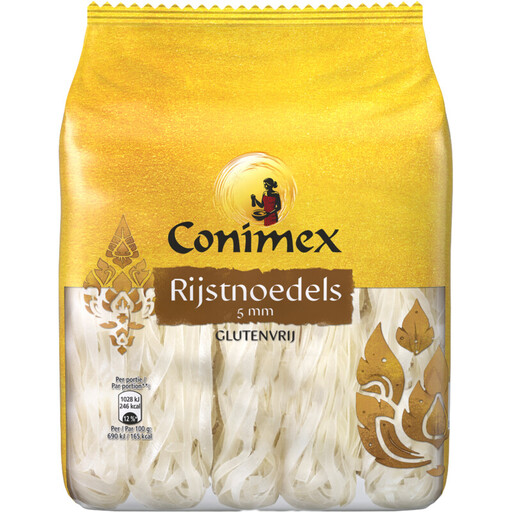
Why this fits the profile: The smaller packet is ideal if you want to try rice noodles for the first time or only make a stir-fry occasionally. The product information states a cooking time of around 3 minutes.
The packet states the 5 mm width and gives a clear preparation method. This means you don’t have to rely solely on general terms like “quick to prepare”.
5 mm wide, 225 g per packet, suitable for pad thai, stir-fries and Asian soups.
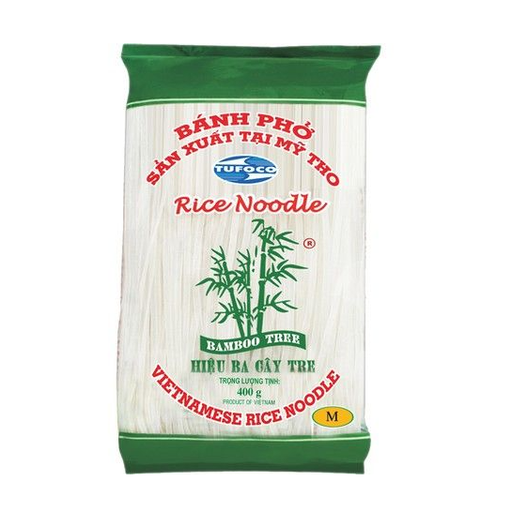
Why this fits the profile: The medium-width Vietnamese rice noodles offer a practical balance between preparation and versatility. They work well with pho, stir-fries and other dishes where you want a distinct but not overly wide noodle.
The exact 3 mm thickness prevents you from choosing a vermicelli that’s too thin for a hearty wok dish. The ingredient list is also straightforward: rice, tapioca and water according to the product information.
400 g content, 3 mm thickness and, according to the product information, none of the 14 major EU allergens.
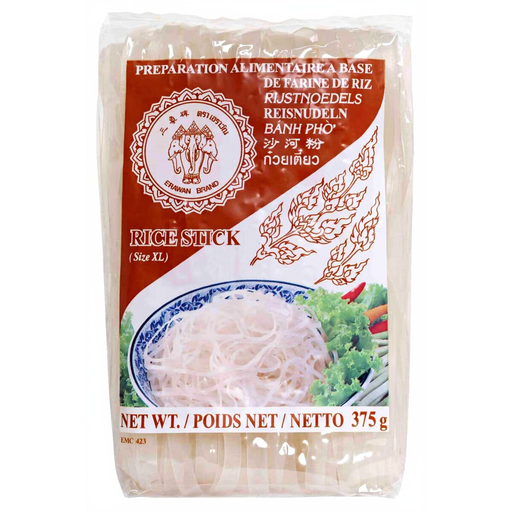
Why this fits the profile: The wide 10 mm rice sticks are designed for dishes where the noodle should be clearly present, such as pad thai, hearty stir-fries and noodle soup.
The width is clearly stated, so you won’t accidentally choose thin rice vermicelli for a dish with a rich sauce.
10 mm wide, 375 g content and, according to the product information, made from rice flour and water.
We’ve put together a full, up-to-date list of products that fully meet these strict selection criteria and comply with current European safety regulations.
Follow these basic steps for dried rice noodles:
For pho, noodles that are 1 to 4 mm wide are often practical. For pad thai, noodles around 3 to 5 mm wide are typically used. If you want a quick meal, you can choose instant rice noodles, but check the ingredients and salt content of the seasonings extra carefully.
No, not automatically. Plain rice noodles often consist of rice flour, tapioca and water, but some varieties contain other ingredients. Instant products may also contain soya, wheat or barley in the seasoning mix. Check the current label.
For pad thai, rice noodles of around 3 to 5 mm are a practical choice. They are wide enough for sauce and toppings, but generally cook faster than extra-wide 10 mm rice sticks. Always follow the preparation instructions for your chosen brand.
The best-before date is on the packet. Unopened, they are usually best stored in a cool, dry place away from direct sunlight. After opening, a well-sealed packet is important to limit moisture and contamination. Do not use the noodles if the packet is damaged.
