
Vandaag of morgen in huis

Kwaliteit gegarandeerd

Welkomstaanbiedingen ontgrendelen: GRATIS bezorging | Tot 80% korting | Gratis 30 dagen JoyPlus-proefperiode
Download de app
Rice noodles are suitable for a wide range of dishes, from Vietnamese pho and fresh bun salads to Thai Pad Thai and quick stir-fries. Yet not every variety is interchangeable. If you only look at the packaging or the word "authentic", you could end up with soggy noodles, the wrong thickness, or a product that doesn't fit an allergen-free diet.
This practical buying guide will show you what to look for before you buy rice noodles.
A 1 mm rice noodle behaves very differently from a 5 mm or 10 mm rice stick. Thin rice vermicelli is ideal for light soups, bun dishes and spring roll fillings. Thicker noodles generally stay firmer in a stir-fry or a hearty broth.
Choosing the wrong thickness can make preparation tricky. Thin noodles quickly turn soft if left in hot water too long, while wide noodles need more time to become tender.
Many dried rice noodles are made from rice flour, tapioca and water. However, you should always check the ingredients list and allergen information. Instant products sometimes contain wheat, soya, barley, fish or milk in the seasoning mix. Product details can also vary from pack to pack.
Only choose gluten-free rice noodles when this is clearly stated on the label or when the full allergen information supports it. If you have an allergy or coeliac disease, the packaging is what matters, not just the product name.
Some Asian noodles need to soak in warm water, while others are briefly boiled. For stir-fries, the noodles are often soaked first and then heated further. For soup, short boiling or cooking directly in the broth may be recommended.
Always follow the instructions on the packaging. The cooking times mentioned in online shops are general product information; the actual instructions on the product take priority.
Use this guide as a practical reference:
The naming varies by brand. "Rice vermicelli", "rice sticks", "Banh Pho" and "Bun Tuoi" can refer to different shapes and thicknesses. So always check the millimetres.
Compare not just the rice percentage, but the full composition. Bamboo Tree, for example, lists 72% rice, with tapioca and water as the other ingredients. Sunlee Rice Stick 5 mm lists 90% rice flour and 10% water. Farmer Brand Rice Stick 3 mm is made with rice flour according to the product information.
A simple ingredients list can be handy when you want to control the flavour and sauce yourself. With instant noodles, it's different: herbs, oil and seasonings are already added. In that case, check extra carefully for soya, wheat, milk, fish and other EU allergens.
A 400 g pack of rice noodles is practical for several meals or a family. 500 g variants are ideal if you regularly make pho, Pad Thai or stir-fries. Smaller packs, such as Conimex Rice Noodles at 225 g, are better for a single meal or if you want to try a variety first.
Also note the difference between dried and ready-to-eat noodles. Instant pots and bowls are quick to prepare, but often contain a seasoning mix and can be relatively high in salt. The nutritional values for the full product are on the label.
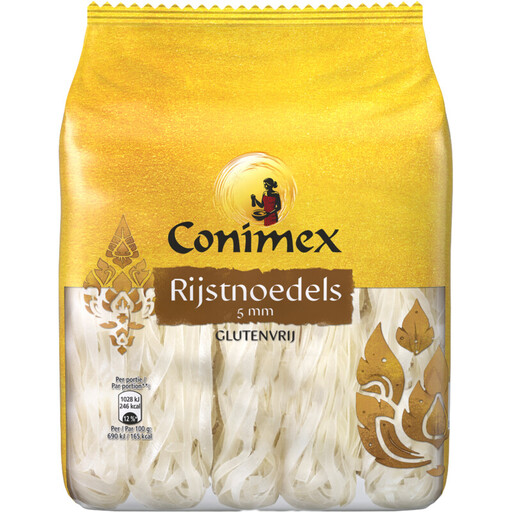
Why this fits the profile: The smaller pack is practical if you occasionally make Pad Thai or an Asian soup and don't want to stock up on a large quantity.
The packaging states a preparation time of around 3 minutes and clearly indicates that the noodles need to be rehydrated first.
5 mm wide, made with rice flour and tapioca starch, with allergen information on the product page.
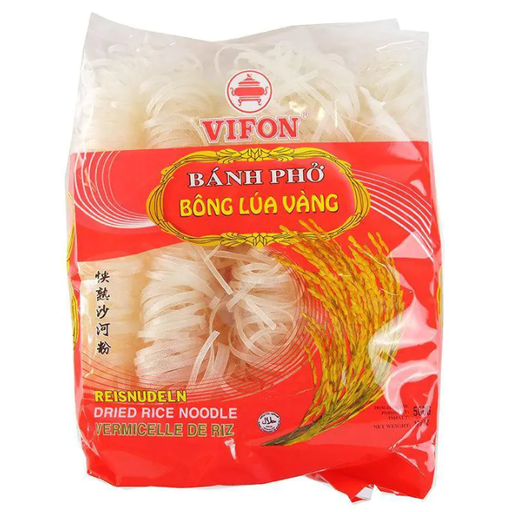
Why this fits the profile: The 500 g pack and 3 mm thickness suit those who regularly prepare Vietnamese soups, salads and stir-fries.
The product information mentions the diameter and separate preparation methods for soup, stir-fries and salads. Check the current instructions on the packaging.
Vietnamese style, 500 g content and 3 mm according to the available product details.
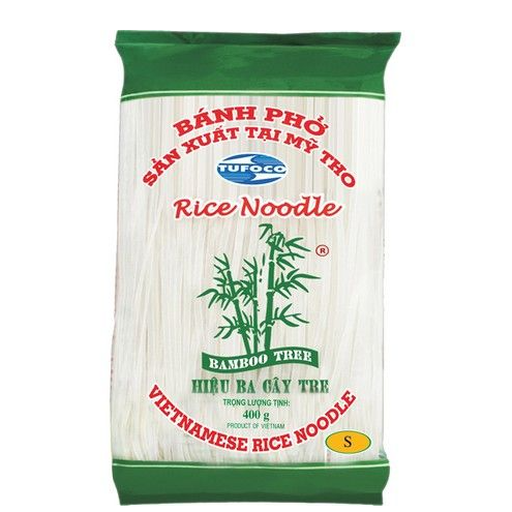
Why this fits the profile: The thin 1 mm variant is designed for Vietnamese bun, light noodle soups and dishes where a fine texture is desired.
The exact thickness is stated, so you won't accidentally confuse this rice vermicelli with wide noodles for Pad Thai.
400 g pack, 1 mm thickness and, according to the available information, made from rice, tapioca and water.
We've put together a full, up-to-date list of products that fully meet these strict selection criteria and comply with current European safety regulations.
Use a large pan or bowl and make sure the noodles aren't packed too tightly together. Rinse them after soaking or cooking if the packaging recommends it. For a stir-fry, it's wise to cook the noodles for slightly less time, as they will continue to cook in the pan.
Store an opened pack sealed, in a cool, dry place away from moisture and direct sunlight. Do not use any product where the packaging is damaged. The best-before date and any additional warnings are on the packaging.
No. Dried noodles made with only rice, water and tapioca can be free from the 14 main EU allergens, but instant varieties or products with seasonings may contain wheat or soya. Always check the label.
For pho, Vietnamese rice noodles of around 3 to 5 mm are typically used. A product like Vifon Banh Pho Bong Lua Vang states 3 mm. For a specific recipe, the instructions on the packaging remain the guide.
Dried rice noodles generally remain edible until the date on the packaging, as long as they are stored dry and well sealed. Before use, check the smell, colour and packaging. Instant noodles have their own best-before information and composition.
