
Vandaag of morgen in huis

Kwaliteit gegarandeerd

Welkomstaanbiedingen ontgrendelen: GRATIS bezorging | Tot 80% korting | Gratis 30 dagen JoyPlus-proefperiode
Download de app
A lightweight wireless mouse can make your desk feel tidier and is well suited to fast-paced PC games. However, a high DPI rating or a large number of buttons is not automatically a reason to buy. With the RAPOO VT2 MAX wireless gaming mouse, the connection, weight, software and battery specifications are particularly important.
Many buyers encounter three familiar pitfalls:
The polling rate indicates how often the mouse reports its position to the computer each second. At 1,000 Hz, this happens up to 1,000 times per second; with an 8KHz wireless gaming mouse, this increases to 8,000 times.
According to RAPOO’s product information, the VT2 MAX supports a native 8,000Hz wireless polling rate. The manufacturer states that no additional dongle or software algorithm solution is required. This is a verifiable product specification, but its practical benefits depend on your PC configuration and game. For many players, 1,000 Hz remains sufficient; competitive FPS players with a powerful PC may place greater value on 8KHz.
Also pay attention to the receiver’s position. Ideally, use the supplied receiver close to your mouse mat and avoid unnecessary obstacles between the mouse and receiver.
With a stated weight of 53 grams, the RAPOO VT2 MAX falls into the ultra-lightweight gaming mouse category. A 53-gram gaming mouse can feel comfortable for players who make broad arm movements at low sensitivity. However, less weight does not automatically mean more control. The shape, width and position of the thumb buttons should suit your hand and grip.
According to RAPOO, the VT2 MAX has 10 programmable buttons and supports macros. This can be useful for MOBA games, MMOs and productivity. For FPS players, too many buttons can instead lead to mistakes. Check in advance that the buttons are easy to reach without having to change your grip.
According to RAPOO’s product description, the mouse supports 30,000 DPI with separate X and Y settings. Independent X/Y DPI lets you adjust horizontal and vertical sensitivity separately. This is particularly relevant for wide screens or specific in-game settings.
According to RAPOO, the built-in optical switches are rated for 120 million clicks. RAPOO states that infrared detection reduces mechanical contact and prevents debounce delay. This is a claim from the brand’s product information, not a guarantee of a particular service life in every usage situation. Dust, moisture, cable use and day-to-day maintenance can all affect performance.
The product listing states that the VT2 MAX offers up to 750 hours of battery life at 1,000 Hz. According to RAPOO, the mouse driver must be updated to activate the energy-saving mode. At 8KHz, with lighting enabled or during intensive use, actual battery life may be lower.
For the advanced features, use RAPOO A HUB for Windows and Mac. You can use it to:
Before buying, check that your operating system is supported by the current software. A programmable gaming mouse is only practical when the configuration software works reliably and settings can be saved to the device.
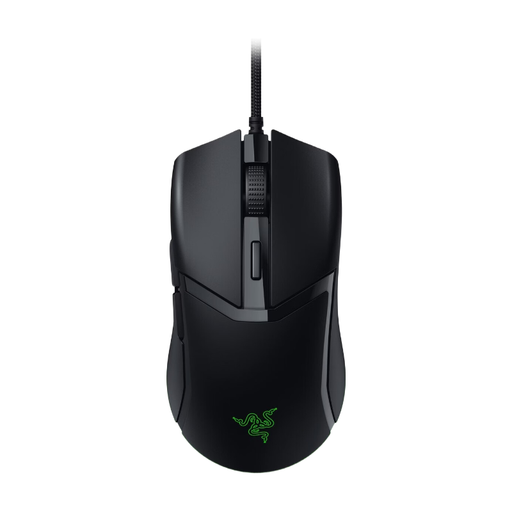
Why it suits this profile: A wired mouse avoids battery management and wireless connection issues. Weighing 58 grams, with six buttons and an adjustable sensor, it is a good fit for anyone who wants a straightforward introduction to FPS gaming.
Performance does not depend on a wireless polling mode or battery level. The maximum sensor resolution is 8,500 DPI.
58 grams, optical switches according to the product information, and a USB cable connection.
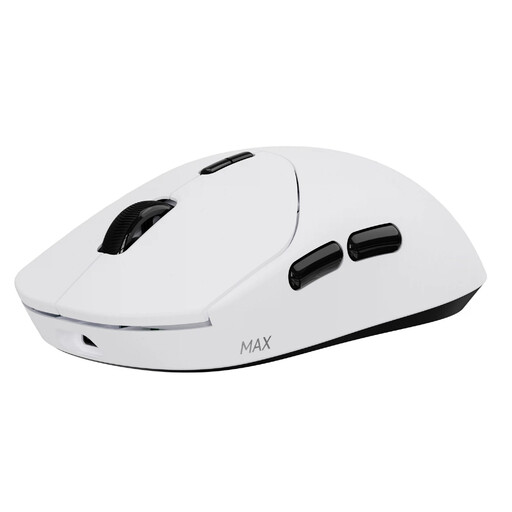
Why it suits this profile: This white RAPOO gaming mouse combines a wireless 8KHz mode, 53-gram weight, 30,000 DPI and extensive button programming for players looking for plenty of customisation options.
The product information mentions not only 8KHz, but also the required A HUB driver, onboard memory and battery life linked to the 1,000Hz mode.
53 grams, 10 programmable buttons, macro support and, according to RAPOO, up to 750 hours at 1,000Hz.
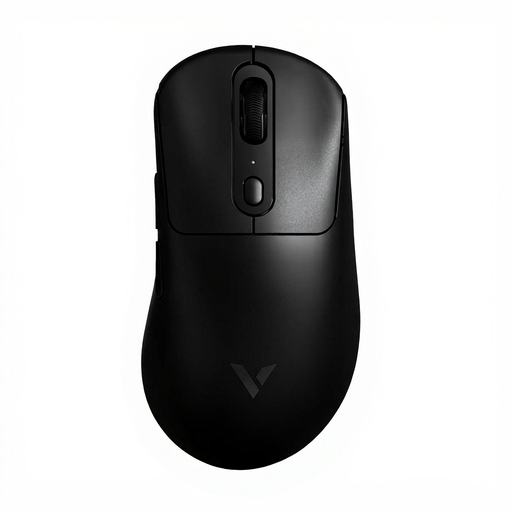
Why it suits this profile: For FPS and MOBA players looking for an 8KHz wireless mouse with a different sensor configuration. This model weighs 59 grams and supports separate X/Y DPI settings.
The specifications list the polling rate, sensor, DPI and battery life separately. This lets you compare these points without focusing solely on a single marketing figure.
PAW 3950 sensor according to RAPOO, up to 30,000 DPI, 59 grams and a stated battery life of up to 200 hours.
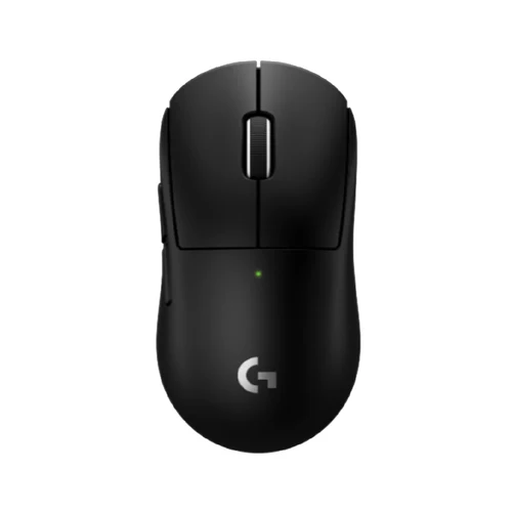
Why it suits this profile: A compact wireless model for FPS players who need few buttons and prioritise weight, sensor resolution and low connection latency.
The stated battery life is clearly specified as up to 95 hours, and the model has five programmable buttons. This keeps the feature set more straightforward.
HERO 2 sensor according to Logitech, up to 44,000 DPI, 53 grams and a stated polling rate of up to 8KHz.
We have put together a complete, up-to-date list of products that fully meet these strict selection criteria and the applicable European safety regulations.
8KHz can increase the reporting frequency, but the difference is mainly relevant in fast-paced games, at high frame rates and with a PC capable of processing the additional data. Also check whether your driver and game support this setting. For everyday use or office work, a lower polling rate is often more practical because it uses less energy.
According to RAPOO’s product information, the battery lasts up to 750 hours at 1,000Hz with the energy-saving mode enabled. Actual battery life may vary depending on the polling rate, lighting, intensity of use and software settings. Update the A HUB driver before assessing the stated low-power mode.
For the VT2 MAX, RAPOO states that the optical switches have a service life of 120 million clicks and that the design uses no mechanical contact. This is a product specification and brand claim, not a guaranteed period of use. Service life also depends on factors such as moisture, dust, pressure on the buttons and normal maintenance.
