
Vandaag of morgen in huis

Kwaliteit gegarandeerd

Welkomstaanbiedingen ontgrendelen: GRATIS bezorging | Tot 80% korting | Gratis 30 dagen JoyPlus-proefperiode
Download de app
As a Joybuy Product Recommendation Officer, I see 3D printing hobbyists and designers struggle daily with the overwhelming choice of materials. The market for PLA filament is vast, but not every product delivers the desired results. A poor choice leads to frustration, wasted material, and failed prints.
Before you invest in new filament, it's crucial to recognise a few common pitfalls. This will prevent you from wasting money on filament that doesn't meet your expectations.
By paying attention to a few key specifications, you can easily bypass these problems and make an informed choice.
To avoid the issues mentioned above, there are a few objective specifications you should always check. These determine the reliability and final quality of your 3D prints.
The most common diameter for FDM printers is 1.75mm. More important than the diameter itself is its tolerance. Look for filament with a specified tolerance of ±0.03mm or, even better, ±0.02mm. A stable filament diameter ensures a consistent flow of material, which is essential for a smooth finish and preventing clogs. Brands that clearly state this specification demonstrate a commitment to quality control.
Not all PLA is created equal. The choice between the different variants depends on your project.
PLA (Polylactic Acid) is known as a more sustainable filament because it's made from renewable resources like corn starch or sugarcane. It is biodegradable under industrial composting conditions. Look for brands that are transparent about their raw materials. Some, like Cailab filament, state that their material is made from pure corn extract, without the addition of recycled waste. This contributes to a cleaner and more reliable printing process.
Based on these criteria, we have highlighted several popular choices that suit different types of users.
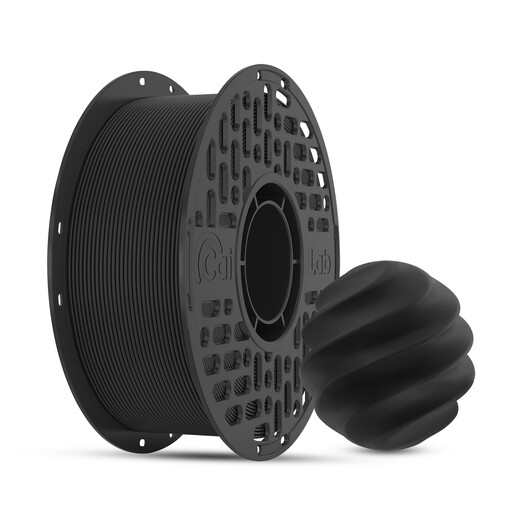
Why This Fits Their Persona: This user wants their creations to look like finished products, not prototypes. The focus is on a high-quality, non-glossy finish that accentuates details and hides imperfections.
Directly addresses the 'low-quality finish' pitfall. The matte texture minimises the visibility of layer lines, resulting in a clean and professional-looking object.
According to the manufacturer, the formula ensures a smooth, tangle-free printing experience. The finish feels soft and natural, with a minimal 'plasticky' feel.
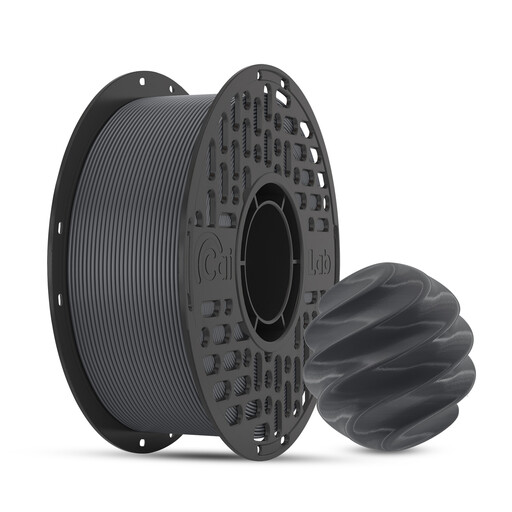
Why This Fits Their Persona: This user often starts long or complex prints and cannot afford for the filament to break or clog midway. Reliability and strength are the top priorities.
PLA+ is engineered to be less brittle than standard PLA. This reduces the risk of breakage during printing and addresses the 'brittle filament' pitfall, which is crucial for long print sessions.
This type of filament is often promoted as stronger and more durable, making it suitable for functional parts. Its stable diameter helps reduce the likelihood of clogs.
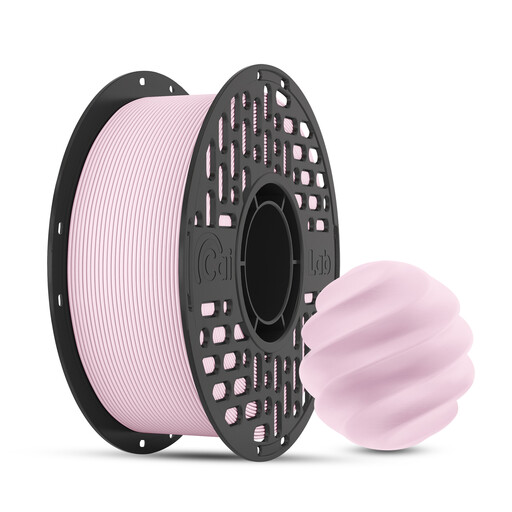
Why This Fits Their Persona: For this maker, colour is an essential part of the design. They look for unique, artistic shades that give their projects character, going beyond the standard red, green, and blue options.
Whereas standard filaments can sometimes have dull or inconsistent colours, this line (called the 'Maillard Series' by the manufacturer) offers a palette of coordinated, artistic colours.
The combination of a unique colour with a matte finish enhances visual depth and provides a premium look. Its reliable printing properties ensure that the focus can remain on creativity.
We have compiled a complete, up-to-date list of products that meet these selection criteria.
PLA is hygroscopic, meaning it attracts moisture from the air. To maintain its quality, store the filament in a cool, dry place. An airtight bag or container with a desiccant packet (silica gel) is ideal. This prevents the material from becoming brittle and ensures better printing results.
PLA is made from plant-based materials and has low odour emission compared to other filaments like ABS. Nevertheless, 3D printing always releases ultrafine particles (UFPs). It is therefore recommended to always use your 3D printer in a well-ventilated area.
PLA+ filament is an enhanced version of standard PLA. Manufacturers add specific additives to improve properties such as strength, flexibility, and layer adhesion. As a result, PLA+ is often less brittle and more suitable for functional parts that need to withstand some stress. The exact formula and degree of improvement can vary between brands.
