
Vandaag of morgen in huis

Kwaliteit gegarandeerd

Welkomstaanbiedingen ontgrendelen: GRATIS bezorging | Tot 80% korting | Gratis 30 dagen JoyPlus-proefperiode
Download de app
Choosing a pineapple soft drink may seem straightforward: you spot tropical packaging, compare the price and add a multipack to your basket. However, the differences between pineapple drink, pineapple soda, fruit drink and pineapple juice can be considerable. If you only pay attention to the picture or brand name, you may end up buying more sugar, less pineapple or packaging that does not suit how you plan to use it.
As a Joybuy Product Recommendation Officer, I therefore start by checking verifiable information on the label: contents, nutritional values, ingredients, packaging and intended use.
A can of pineapple lemonade may feature a large pineapple, while the product itself mainly consists of carbonated water, sugar, sweeteners and flavourings. So always check the ingredients list. Fruit.B x Tropical Pineapple Slice Drink, for example, contains 2.85% pineapple slices, 0.17% pineapple juice concentrate, as well as carbonated water, sugars and flavourings.
That does not make it any less suitable as a soft drink, but it is different from pineapple juice or a drink with a high fruit content.
Always compare the nutritional value per 100 ml, rather than looking only at the value per can or bottle. Fernandes Super Pineapple lists 42 kcal and 10.4 grams of sugar per 100 ml. Fruit.B lists 51 kcal and 12.08 grams of sugar per 100 ml. A 330 or 340 ml can therefore contains considerably more than the value shown per 100 ml on the label.
Some products combine sugar with sweeteners such as sucralose or acesulfame-K. If you prefer to avoid these ingredients, it is worth reading the full ingredients list.
A pineapple drink multipack is practical for a party, office or cupboard, but compare the price per litre. A pack of 24 cans may have a lower price per can, while a single bottle may be better value if you only drink soft drinks occasionally. Also consider storage space, deposit or packaging information, and the best-before date on the packaging.
First decide what type of drink you are looking for:
A product name such as “pineapple flavour” or “pineapple-flavoured” mainly indicates the intended flavour profile. It does not guarantee a particular fruit content.
Use three values to compare products fairly:
The information in an online product description may change. Always check the label on the packaging actually delivered before consuming the product. This is particularly important for imported soft drinks, where information such as colourings, caffeine or sweeteners may vary between markets.
Cans of 200 to 355 ml are easy to portion when you are out and about. A 500 ml bottle is suitable if you want to drink it gradually at home or during a day out. For a birthday party or barbecue, 6-, 12- or 24-packs are more convenient.
For products containing fruit pieces or nata de coco, check the closure and storage instructions. According to the product information, Mogu Mogu recommends storing an opened bottle in the fridge and using it within the stated period.
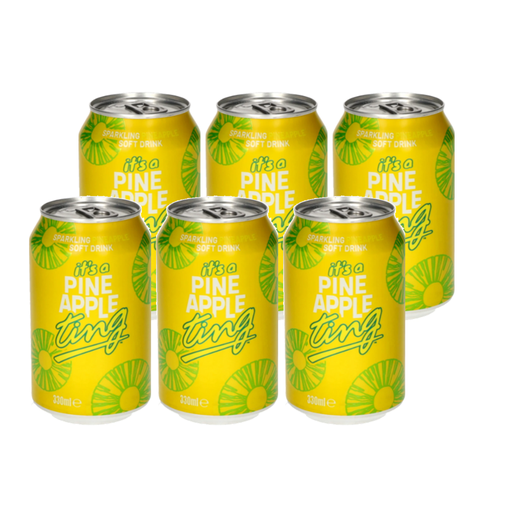
Why it suits this profile: A 6-pack of 330 ml cans is a manageable choice for anyone who wants to try different pineapple drinks without immediately buying a large stock pack.
The packaging and contents are clearly described. The nutritional information lists 18 kcal and 4.4 grams of sugar per 100 ml; check the current packaging before buying.
330 ml cans, 6 per pack, 18 kcal per 100 ml, and suitable for vegetarians and vegans according to the product information.
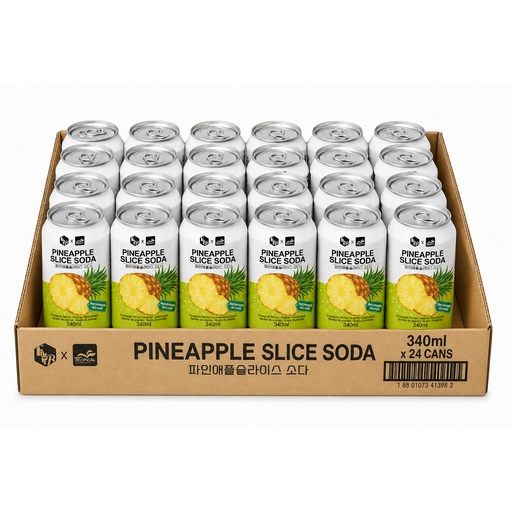
Why it suits this profile: If you are looking for a distinctive international soft drink for guests or a party, you get 24 cans and a product containing pineapple slices.
The product description states the pineapple content explicitly: 2.85% slices and 0.17% juice concentrate. This makes the expectation of fruit pieces verifiable.
24 x 340 ml cans, carbonated and containing pineapple slices; the nutritional value is 51 kcal and 12.08 grams of sugar per 100 ml.
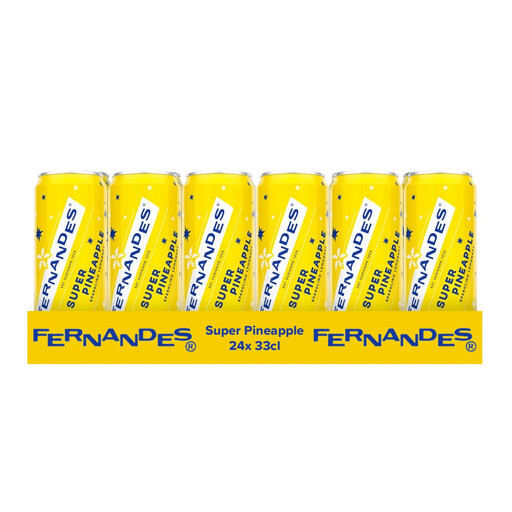
Why it suits this profile: This large can multipack is ideal for households, clubs and parties where a tropical soft drink is served regularly.
The packaging clearly states that it contains 24 slim cans of 330 ml. This allows you to calculate the total quantity and price per litre in advance.
24 x 330 ml, 42 kcal and 10.4 grams of sugar per 100 ml; according to the product information, the drink is best served chilled.
If you are not looking for a sparkling pineapple drink, consider Mogu Mogu pineapple. This fruit drink contains nata de coco pieces and lists 37 kcal and 7.5 grams of sugar per 100 ml. For a larger bottle, KA Pineapple Soft Drink is an option with 500 ml. If you prefer a still fruit drink, you could consider DubbelDrank Pineapple Guava Apple Juice; according to the product information, this drink contains at least 40% fruit and added vitamins C and D. Check the current packaging and ingredients for each product.
Be careful with products that contain caffeine as well as pineapple flavour. Monster Energy Ultra Gold, for example, is described as an energy drink with 30 mg of caffeine per 100 ml. This is a different product category from ordinary pineapple soda. Take note of the warnings on the label.
We have put together a complete, up-to-date list of products that fully meet these strict selection criteria and the applicable European safety regulations.
Pineapple drink is a broad category. It may be a carbonated soft drink, a fruit drink containing juice concentrate or a drink made with flavourings. Pineapple juice generally contains a higher proportion of juice, but always check the percentage on the label.
Store an opened bottle according to the instructions on the packaging. In most cases, this means keeping it refrigerated and consuming it within the stated period. Close the bottle securely and preferably drink a can immediately after opening.
That depends on the promotional price, contents and packaging. Calculate the price per litre and compare it with individual bottles or smaller packs. A multipack is particularly practical if you use the drink regularly or are buying for several people.
